



Ultimate Guide to Conveyor Metal Detectors | SameGram
As a seasoned automation line electrical engineer with over 15 years in the industry, I've seen firsthand how conveyor metal detectors can make or break product safety in manufacturing. Whether you're in food processing, pharmaceuticals, or packaging, these systems are essential for catching contaminants before they reach consumers. In this guide, we'll dive deep into everything you need to know about conveyor metal detectors—from how they work to installation tips and maintenance best practices. At SameGram, we pride ourselves on delivering reliable, high-sensitivity solutions tailored to your needs. If you're looking for top-tier equipment, check out our range at SameGram Conveyor Metal Detectors to see how we can elevate your production line.
Introduction of Conveyor Metal Detector
Conveyor metal detectors are critical tools in modern production lines, designed to identify and remove metal contaminants like iron, copper, aluminum, and stainless steel from products moving along a belt. They help prevent costly recalls, protect machinery, and ensure compliance with standards like HACCP, GMP, and FDA. Common applications include inspecting packaged foods, pharmaceuticals, and bulk materials in industries such as food, chemicals, and textiles.
The main challenges? Product effects from moisture or salinity can interfere with detection, and environmental factors like vibrations might cause false alarms. This guide targets operators, engineers, and managers, drawing from real-world experience to address these issues practically. At SameGram, our detectors—like the DD-720 Series Food Metal Detector, offer unmatched precision, helping businesses like yours maintain quality without downtime.
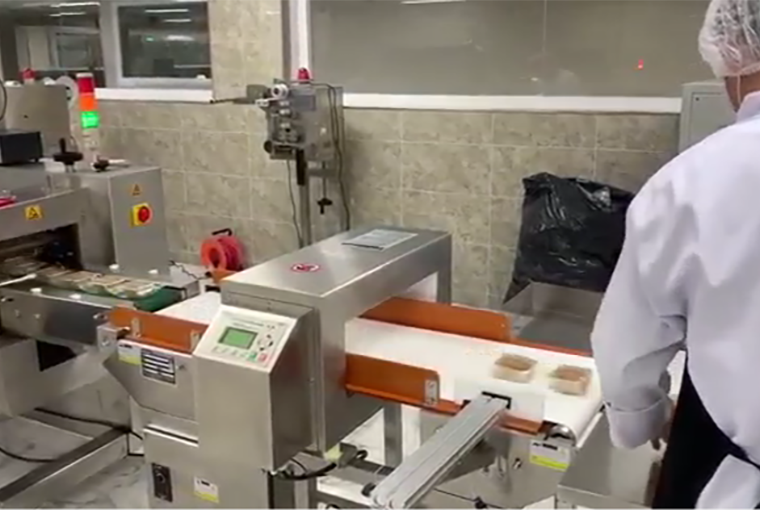
Working Principles and Theory
At their core, conveyor metal detector use electromagnetic fields to spot metals. Most employ balanced coil systems: a transmitter coil creates a magnetic field, and receiver coils detect disruptions caused by metal contaminants. For instance, ferrous metals (like iron) are easiest to detect due to their magnetic properties, while non-ferrous ones (copper, aluminum) and stainless steel require higher sensitivity—often 1.5 to 2 times the ferrous detection diameter.
Advanced models incorporate digital signal processing (DSP) to filter out "product effects," such as those from salty or wet items, using phasing techniques. Dual-frequency detection, as in our SameGram Industrial Metal Detection DD-390 Series, simultaneously scans for both ferrous and non-ferrous metals, boosting accuracy. Auto-balancing compensates for coil drift over time, ensuring stable performance.
A key concept is the metal-free zone: keep a space 1.5-2 times the aperture height around the detector free of metals to avoid interference. Vibrations or nearby equipment can trigger false positives, so site selection is crucial. In practice, this means isolating power supplies and grounding properly to maintain sensitivity levels like 0.5mm for ferrous in our DD-720 Series Food Metal Detector.
Product Features and Advantages
SameGram's conveyor metal detectors stand out with modular designs for easy customization and cleaning. Take the Industrial Metal Detection DD-500 touchscreen series: it features a 7-inch intuitive interface with auto-learning, storing up to 100 product profiles to handle diverse items without recalibration. The system uses intelligent recognition to ignore product effects from high-moisture foods, achieving sensitivities like Fe ≥0.5mm and SUS ≥1.0mm.
Our DD-220 Food Industry Metal Detector Series excels in aluminum foil packaging, suppressing foil interference while detecting iron contaminants down to ≥0.8mm. Built with 304 stainless steel frames and food-grade PU or PVC belts, these units meet IP65/IP66 ratings for dust and water resistance—ideal for harsh environments. Reject options include air blasts, pushers, or flaps, with customizable speeds up to 27m/min.
Advantages? Reduced false rejects mean less waste, and features like USB data export in the Industrial Metal Detection DD-720 series allow for compliance logging. Compared to basic models, SameGram's German-tech controls provide superior anti-interference, extending machine life and cutting maintenance costs. Explore our full lineup, including the high-precision DD-390 Food Metal Detector for bulk detection, and SameGram Industrial Metal Detection DD-720.
Technical Specifications
Specifications vary by model, but here's a snapshot based on SameGram's offerings:
● Aperture Dimensions: Width 400-1200mm, height 80-1000mm (customizable; e.g., End of Line Conveyor Metal Detection System DD-360: (80~1000)x(300~1200)mm).
● Sensitivity (Empty Machine): Fe ≥0.5-0.8mm, Non-Fe ≥0.8-1.2mm, SUS304 ≥1.0-1.5mm (e.g., DD-390: FE(Φ0.8mm),NON-FE(Φ1.2mm),SUS316(1.5Φmm) in 400x120mm aperture).
● Belt Speed: 5-50m/min, adjustable.
● Load Capacity: Up to 200kg (DD-500 Pharmaceutical Metal Detector: 0-25KG or 25-200KG) or 5kg for compact models.
● Power: 220V 50-60Hz, 90-100W (customizable to 110V/380V).
● Materials: 304 stainless steel frame, food-grade belts.
● Alarms: Buzzer, light, auto-stop or reject; IP54-66 protection.
● Weight: 140-200kg.
These specs ensure reliability in real scenarios—note that actual sensitivity dips with product interference, so test on-site.
Model | Aperture (WxH mm) | Sensitivity (Fe mm) | Belt Speed (m/min) | IP Rating |
DD-390 (4012) | W 400 mm*H 120 mm | ≥0.8 | 25 | IP65 |
DD-360 | (80~1000)*(300~1200) | ≥0.6 | Variable | IP67 |
DD-500 | 300x250(Customize accepted) | ≥0.5 | 25 (adjustable) | IP65 |
Installation
Proper installation prevents 80% of operational issues. Start with site prep: Choose a vibration-free spot with 0-40°C temps and 30-85% humidity, away from heat sources or magnetic interference. Create a metal-free zone around the aperture.

Step-by-step:
1. Adjust belt height to match upstream/downstream conveyors using foot cups.
2. Secure with bolts—no gaps to avoid shaking.
3. Wire power separately from noisy equipment; install circuit breakers and ground with <100Ω impedance.
4. Connect rejects and sensors; test grounding to prevent shocks.
For SameGram models like the DD-360 end-of-line system, integration is seamless—our modular frames fit existing lines. Always calibrate post-install: Run empty, then with test spheres. If issues arise, like misalignment, tweak for level planes.
How to Operate a Metal Detector
Operating a conveyor metal detector is straightforward with user-friendly interfaces. On SameGram's DD-500 Pharmaceutical Metal Detector touchscreen, the main screen shows product name, counts, status, and signal strength (dual-channel CHX/CHY bars).
To set up:
● Select product via [Product] button; register new ones with auto-setup—run a sample product for 12 seconds to learn parameters like sensitivity and phase.
● Manual tweaks: Adjust gain, phase, or reject delays (e.g., 0-60s) in [Product Parameters].
● Start/stop with dedicated buttons; alarms trigger on detection, with options for auto-reject.
Advanced: Enable photoelectric sensors for precise timing, or password-protect settings. Daily tip: Preheat 30 minutes for accuracy, especially in varying temps. Our DD-390 Food Industry Metal Detector dual-frequency units auto-compensate for drifts, minimizing manual intervention.
Testing and Validation
Regular testing ensures compliance—aim for shiftly checks. Use certified spheres (Fe, Non-Fe, SUS) placed in products to verify sensitivity. For example, in DD-720 Food Industry Metal Detector, confirm ≥0.5mm Fe detection without false alarms.
Set benchmarks: Lower sensitivity if product effects are high (e.g., wet vs. dry items). Log results via USB for audits. GMP best practices: Handle rejects securely, document everything. SameGram systems support automatic validation schedules, reducing human error.
Metal Detector Maintenance and Troubleshooting
Maintenance keeps detectors running smoothly. Daily: Clean belts and apertures with neutral detergents (warm water <40°C); inspect for wear. Weekly metal detector maintenance: Lubricate bearings, check vibrations.
Troubleshoot common issues:
● False alarms? Check for nearby metals or unstable power—isolate sources.
● Low sensitivity? Recalibrate or clean coils; ground issues are often the culprit.
● Belt slippage? Adjust tension or replace.
For repairs, use modular components in SameGram models—quick swaps minimize downtime. Exploded views in our manuals guide you.
Applications and Case Studies
In food lines, A client in meat processing cut recalls 90% with our DD-220 detects contaminants in foil-packaged snacks, integrating with weighing/labeling. Pharma uses DD-500 Pharmaceutical Metal Detector for pill inspection, handling high speeds without rejects.
Customize for bulk (DD-390 Food Industry Metal Detector) or end-of-line (End of Line Conveyor Metal Detection System DD-360).
Safety and Warranty
Safety first: Ground properly to avoid shocks; remove jewelry near detectors. Follow labels—no unauthorized mods.
SameGram offers 1-year warranty on core components (excludes force majeure). Contact us for support—we're committed to your success.
Conclusion
This guide draws from proven engineering practices to solve your detection challenges. With SameGram's innovative detectors, you're investing in reliability—explore our full range and see the difference.
● Explore our complete equipment catalog: SameGram Product Portfolio
● Learn more about our engineering standards: About SameGram
● Connect with an automation specialist today: Contact SameGram
Hot-Sale Related Products
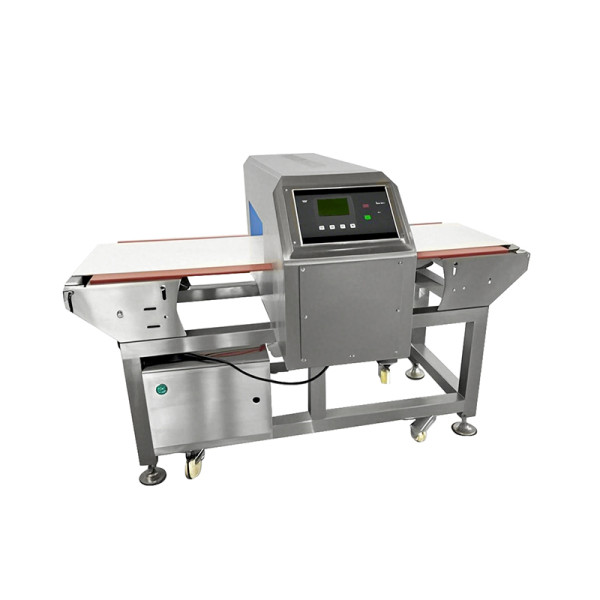
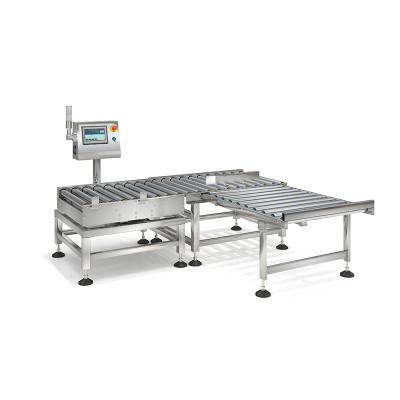
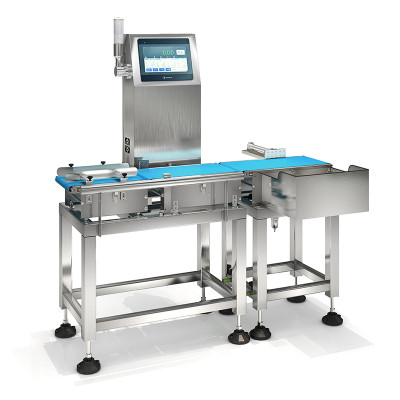
DD-720 is a belt conveyor metal detector with unmatched sensitivity, ideal for food and pharma.
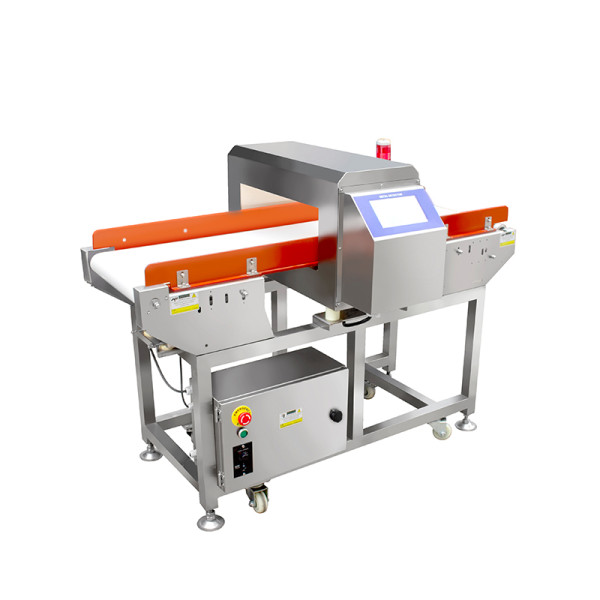
DD-500 Series is an advanced conveyor belt metal detector using smart touch-screen control. Ideal for food production and other
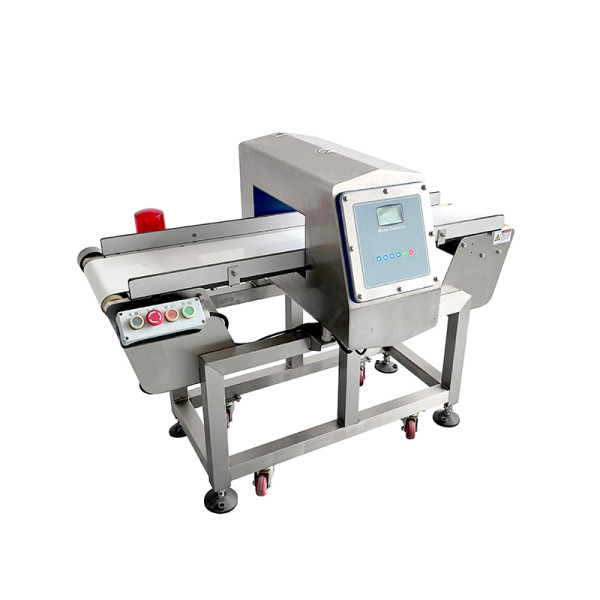
Customizable metal detector for conveyor belt with dual frequency, high sensitivity, and strong anti-interference.
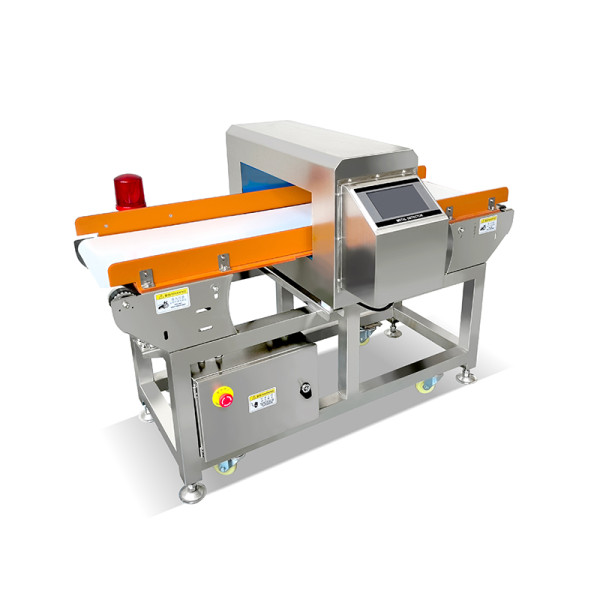
DD-360 Series is a food-grade metal detector conveyor system. Ideal for food industry and food production lines.
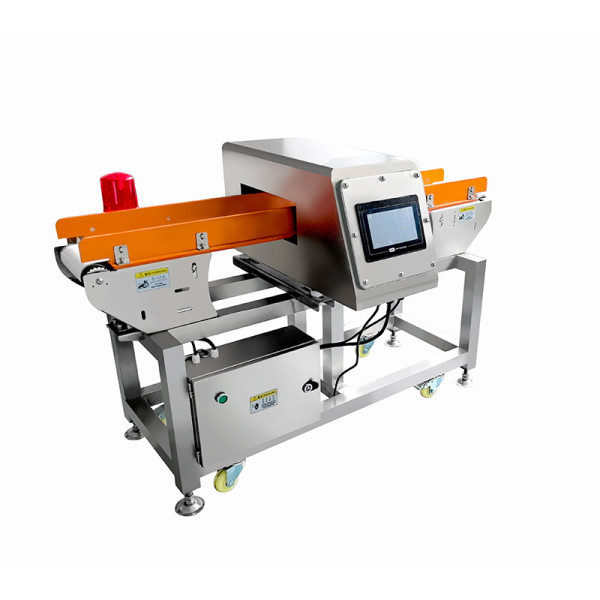
DD-220 is a food conveyor metal detector designed for aluminum foil packaging,with high sensitivity and easy integration.