




Metal Detector or X‑Ray System: A Practical Buyer's Guide
In the fast-paced world of food production and manufacturing, ensuring product safety is paramount. Contaminants like metal fragments, glass, stones, or bones can lead to costly recalls, damage to brand reputation, and serious health risks. As an expert with years of experience in industrial equipment like "Metal Detectors," I recommend focusing on practical, problem-solving content that addresses real business challenges. This guide compares industrial metal detection and X-ray inspection technologies, helping you decide which is best for your operations while highlighting reliable solutions from trusted providers like SameGram, a leader in industrial automation weighing, and detection systems.
To choose the right system, it's essential to understand the fundamentals. Both technologies play critical roles in detecting foreign objects during production, but they operate differently and excel in specific scenarios.
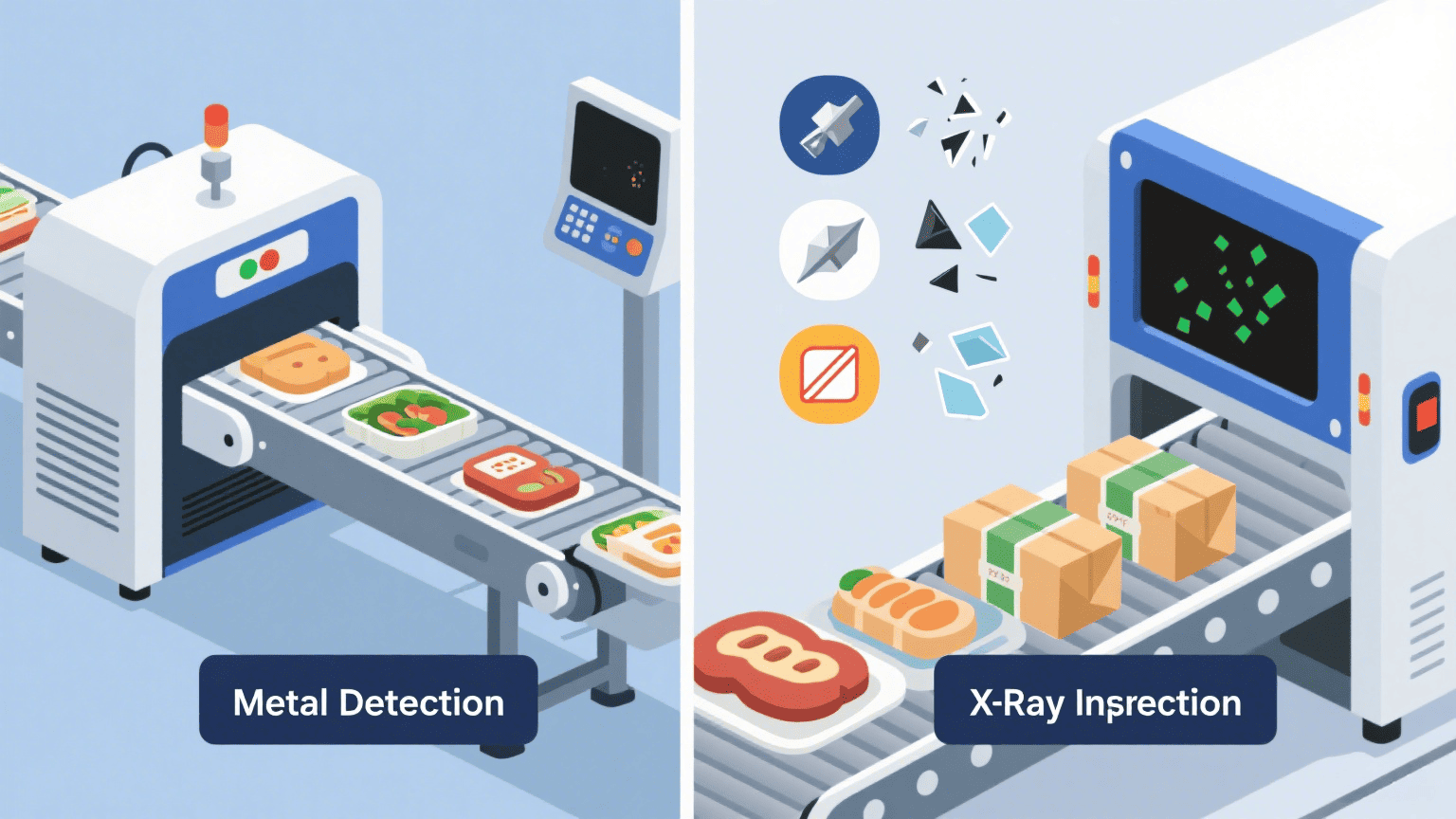
How Metal Detectors Work
Metal detectors use electromagnetic fields generated by coils to identify metallic contaminants such as ferrous (iron, steel), non-ferrous (aluminum, copper), and stainless steel particles. When a metal object passes through the detector's aperture, it disrupts the field, triggering an alarm or automatic rejection mechanism. Advanced models employ multi-frequency technology to minimize interference from product characteristics like moisture or salt, known as the "product effect."
For businesses like food processors, SameGram's metal detectors, such as the DD-360 Series, offer high sensitivity (detecting ferrous particles as small as 0.6mm) and are ideal for high-speed lines. These systems integrate seamlessly with checkweighers, ensuring compliance with standards like HACCP and ISO22000.
How X-Ray Inspection Systems Work
X-ray systems emit short-wavelength radiation to scan products, detecting contaminants based on density differences. Denser materials (e.g., metal, glass, stone) absorb more X-rays, appearing as dark spots on grayscale images analyzed by software. Unlike metal detectors, X-rays aren't affected by the product effect and can inspect through metallic packaging like aluminum foil.
This makes X-ray ideal for finished packaged goods, but it requires safety measures like shielding to protect operators from radiation exposure.
Pros and Cons: A Side-by-Side Comparison
Choosing between a metal detector and X-ray inspection depends on your specific needs. Here's a detailed breakdown:
| Aspect | Metal Detector | X-Ray Inspection | ||
Detection Capabilities | Excellent for metals (ferrous, non-ferrous, stainless steel); limited to metals only. Can struggle with small non-ferrous pieces or product effect. | Detects metals plus non-metals (glass, stone, bone, dense plastics); also checks product integrity like fill levels or missing components. | ||
Pros | - Lower initial and lifetime costs. - Longer lifespan (2-5x that of X-ray). - Easy integration and maintenance. - Compact design for space-limited lines. | - Broader contaminant detection. - Works with metallic packaging. - Additional quality checks reduce recalls. - Unaffected by product effect. | ||
| Cons | - Ineffective for non-metals. - May require metal-free zones. - Limited in aluminum foil packaging. | - Higher upfront and maintenance costs. - Shorter lifespan. - Requires radiation safety training and shielding. | ||
| Cost Considerations | More affordable; ideal for startups or low-risk operations. Total ownership cost is lower due to durability. | Higher investment but justifies itself in high-risk scenarios by preventing expensive recalls. | ||
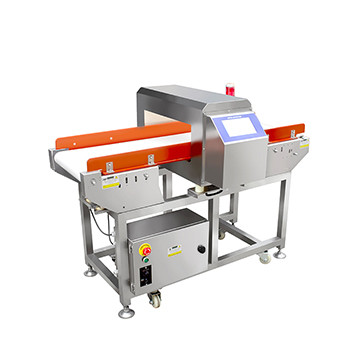
SameGram's expertise shines in metal detectors, with models like the DD-500 Series offering IP65-rated protection for harsh environments, reducing false alarms by up to 85% and boosting efficiency—perfect for food safety without breaking the bank.
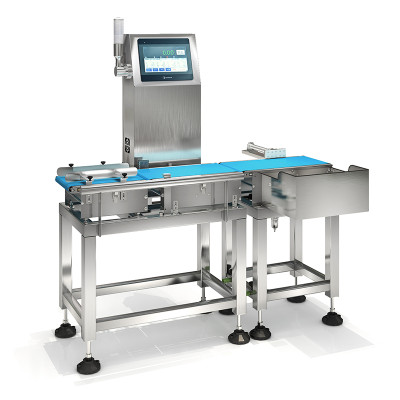
The DD-500 Series is an advanced conveyor belt metal detector using smart touch-screen control. Ideal for food production and other
Categories: Metal Detector
Brand: SameGram
Model: DD-500 series
The maximum conveyable weight: 0-200KG
The conveying speed: 25m/m fixed speed or customized speed adjustment
Power supply: AC220V±10% 50-60Hz, customizable voltage


Suitable Applications: Solving Real-World Problems
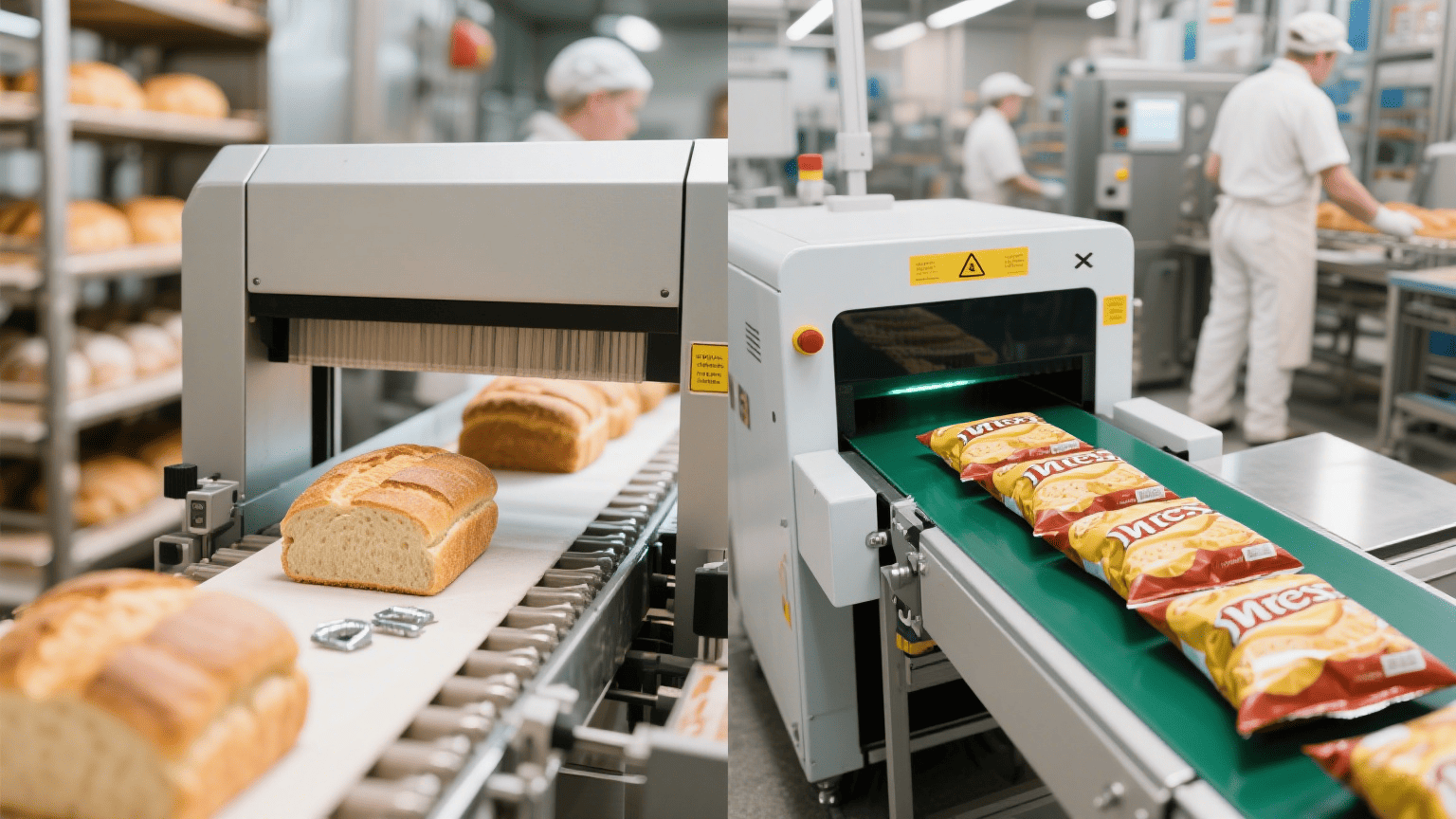
When to Choose a Metal Detector
If your primary concern is metallic contaminants in unpackaged or non-metallic packaged products, a metal detector is often sufficient and cost-effective. For example:
● In food production lines handling dry goods like powders or granules, where metal shards from machinery are the main risk.
● Bulk processing in pharmaceuticals or chemicals, ensuring compliance without overcomplicating the setup.
SameGram, with over 5,000 successful installations, provides tailored metal detector solutions that integrate into your line, such as free-fall detectors for powders, helping businesses like yours avoid contamination issues and meet export standards for markets in Japan and the Middle East.
When to Choose X-Ray Inspection
Opt for X-ray if you deal with diverse contaminants or metallic packaging:
● Packaged snacks or ready meals where glass or bone fragments could occur.
● High-volume lines needing integrity checks, like detecting underfilled pouches.
In some cases, combining both—using metal detectors early in the line and X-ray at the end—offers comprehensive protection.
Factors to Consider: Making the Right Choice for Your Business
To decide, evaluate:
1. Contaminant Risks: Metals only? Go with a metal detector. Broader threats? X-ray.
2. Product and Packaging: Wet/salty foods or foil packaging favor X-ray; dry, non-metallic suits metal detectors.
3. Budget and ROI: Calculate total ownership costs, including maintenance and downtime. Metal detectors often provide quicker ROI for smaller operations.
4. Regulatory Compliance: Ensure alignment with FDA, HACCP, or BRCGS standards.
5. Integration and Scalability: Look for modular systems that grow with your business.
As a high-tech enterprise focused on innovation, SameGram offers free sample testing and customization for metal detectors, ensuring they solve your specific pain points like high-speed detection or moisture resistance.
Conclusion: Partner with SameGram for Reliable Metal Detector Solutions
Ultimately, metal detection is often the right choice for businesses prioritizing cost-efficiency and metal-specific threats, while X-ray excels in comprehensive, multi-contaminant scenarios. For many food producers, starting with a robust metal detector like those from SameGram can address 80-90% of risks effectively.
Related Hot-sale Metal Detector
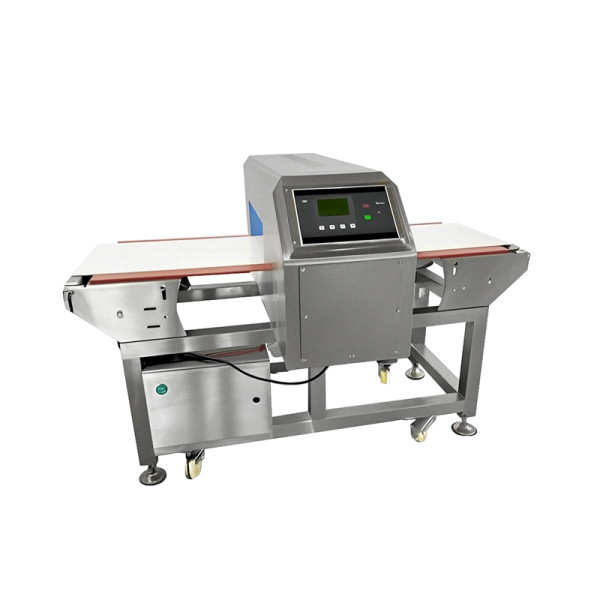
DD-720 is a belt conveyor metal detector with unmatched sensitivity, ideal for food and pharma.
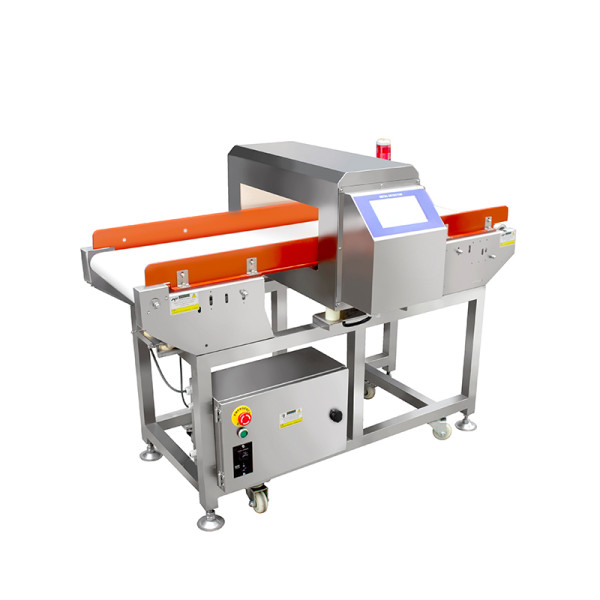
DD-500 Series is an advanced conveyor belt metal detector using smart touch-screen control. Ideal for food production and other
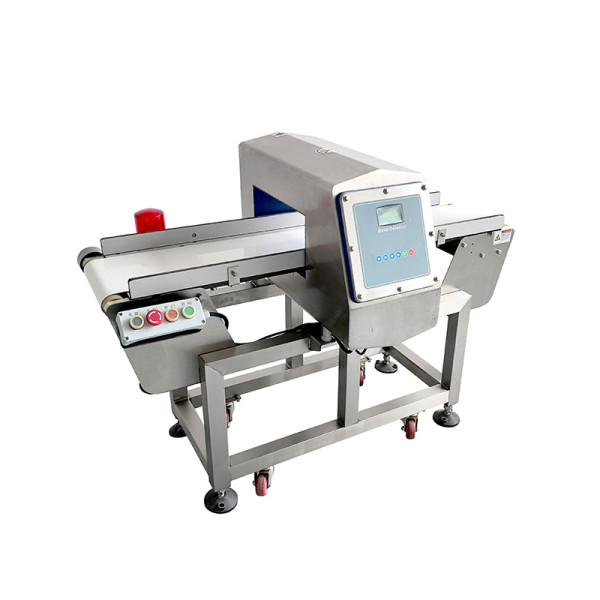
Customizable metal detector for conveyor belt with dual frequency, high sensitivity, and strong anti-interference.
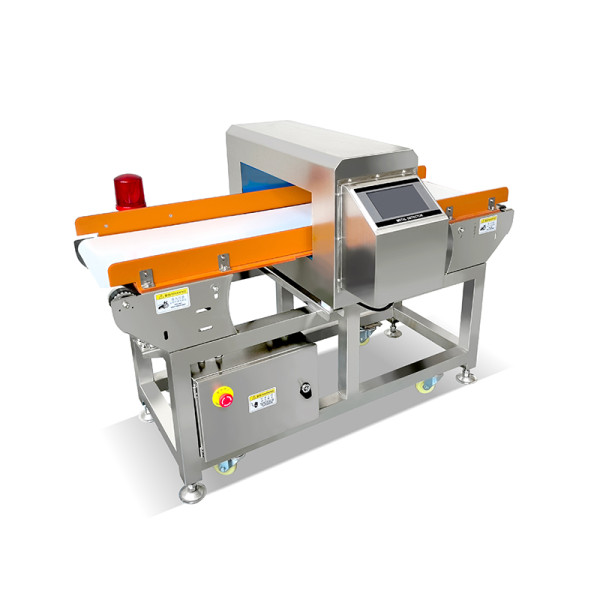
DD-360 Series is a food-grade metal detector conveyor system. Ideal for food industry and food production lines.
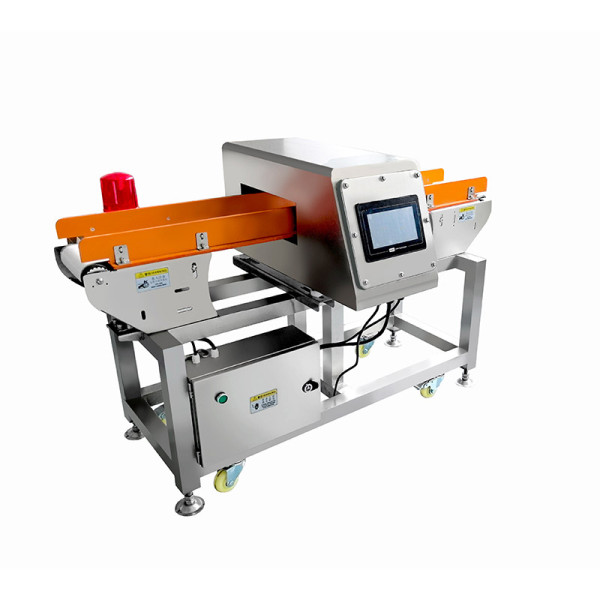
DD-220 is a food conveyor metal detector designed for aluminum foil packaging,with high sensitivity and easy integration.