

Top Factors Influencing Checkweigher Prices | SameGram Guide
Introduction to In-Motion Checkweighers and Pricing Considerations

Checkweighers are essential automated systems used in factories and production lines to verify that products meet specified weight requirements. By ensuring compliance with design standards and regulations—such as those in the food, pharmaceutical, cosmetics, and logistics industries—these machines help prevent underweight or overweight items, reduce waste, minimize rework, and avoid costly penalties. For instance, in food production, checkweighers confirm that packaged goods like snacks or beverages adhere to net weight declarations, safeguarding brand reputation and consumer safety.
As a buyer or production manager, understanding the top factors influencing checkweigher prices is crucial for making informed decisions that balance cost with performance. Prices can range from a few thousand dollars for basic models to tens of thousands for advanced, integrated systems, depending on specifications and customizations. At SameGram, a leading high-tech enterprise with over 20 years of expertise in intelligent checkweighing and industrial weighing solutions, we specialize in high-precision, ultra-fast checkweighers that integrate seamlessly into your production line. Our systems, trusted in over 5,000 success stories across 60 countries, are designed to enhance efficiency, ensure compliance, and deliver long-term ROI. Explore our High-Precision and Ultra-Fast Checkweigher for tailored solutions that address weight compliance challenges effectively.
Drawing from industry insights and our extensive manufacturing experience, here are the top factors that drive checkweigher costs. We'll break them down with practical details to help you budget and select the right system for your needs.
1. Capacity and Speed
Higher capacity (throughput) and speed directly increase prices due to the need for robust engineering and advanced components. For high-volume lines, such as those handling 300 pieces per minute, checkweighers require faster conveyor belts (up to 120m/min) and precise load cells to maintain accuracy without slowdowns.
● Practical Impact: In food processing, a high-speed model prevents bottlenecks, but expect a 20-50% price premium over basic units. Market data shows demand for such systems is growing at 5.6% CAGR, driven by automation needs.
● SameGram Solution: Our High‑Speed Dynamic Weighing Scale - Logistics Industry SC3-L-12080S60 model offers belt speeds up to 120m/min and handles up to 60kg, ideal for logistics and heavy packaging. This customization ensures efficient weight checks, reducing labor by up to 40% as seen in our Belarus food factory case study.
2. Accuracy and Sensitivity
Precision levels, often measured in grams (e.g., ±0.05g for small packages), demand sophisticated sensors and algorithms, elevating costs. High-sensitivity models are essential for pharmaceuticals where even minor deviations can lead to compliance issues.
● Practical Impact: Environmental factors like vibrations or humidity can affect accuracy, requiring additional features like high-resolution scales, which add 15-30% to the price. Certifications like CE or ISO further ensure reliability but increase expenses.
● SameGram Solution: With accuracy from ±0.05g to ±30g across our range, our High-Precision Checkweighers use AI-assisted inspection for real-time error detection. This not only meets GMP/FDA standards but also minimizes waste, helping clients like Panpan Foods achieve 99.8% accuracy.

SCL-7035L5 is a weigh price labeler that integrates a weighing machine with label printer(s), which is widely used.
Categories: Checkweigher Combination System
Brand: SameGram
Model: SCL-7035L5
Weighing range: 1-5000g
Belt speed: 15-50pcs/min
Weighing accuracy: ±0.5-2g
Weighing section size: L 700mm*W 300mm
Applicable product size: L≤500mm; W≤300mm
Labeling accuracy: ±5+30mm


3. Technological Features and Integration
Advanced features like IoT connectivity, data analytics (e.g., histograms, SPC), and automation integration (e.g., with ERP systems) boost prices by enhancing functionality. Combination systems pairing checkweighers with metal detectors or X-ray scanners can double costs but save on space and maintenance.
● Practical Impact: For industries facing regulatory audits, features like Ethernet/USB connectivity and audit trails are non-negotiable, adding value through predictive maintenance and reduced downtime. High initial costs are offset by faster ROI in automated lines.
● SameGram Solution: Our checkweigher combination systems integrate weighing with labeling and metal detection, supporting Industry 4.0 with cloud diagnostics and SaaS monitoring. This modular approach, as in our SCP6 multi-lane model, streamlines operations for cosmetics and seafood lines, ensuring seamless production upgrades.
4. Material Quality and Environmental Adaptability
Durable materials like stainless steel and IP-rated enclosures (e.g., IP69K for washdown) for harsh environments (dust, moisture, corrosives) command higher prices due to longevity and compliance.
● Practical Impact: In wet food environments, corrosion-resistant builds prevent frequent maintenance, but they can increase costs by 10-25%. Consider your site's conditions—e.g., temperature fluctuations—to avoid under-specifying.
● SameGram Solution: Built with food-grade, anti-oxidation stainless steel, our systems meet high hygiene standards and are flushable for easy cleaning. This design extends lifecycle and supports sustainable practices, reducing energy consumption in applications like poultry processing.
5. Certifications, Regulations, and Brand Reputation
Compliance with standards (e.g., FDA, USDA, CE) requires rigorous testing, raising prices. Established brands offer better warranties and support, justifying premiums over generic options.
● Practical Impact: For global markets, certified models ensure traceability and avoid penalties, with market growth emphasizing eco-friendly, compliant systems. SMEs may face barriers from high upfront costs, but long-term savings in maintenance are significant.
● SameGram Solution: As an ISO-certified manufacturer with 12-month warranties and lifetime support, we provide compliant, customizable checkweighers. Our 72-hour global response and preventive maintenance services build trust, as evidenced by partnerships with Kyocera and China Post.
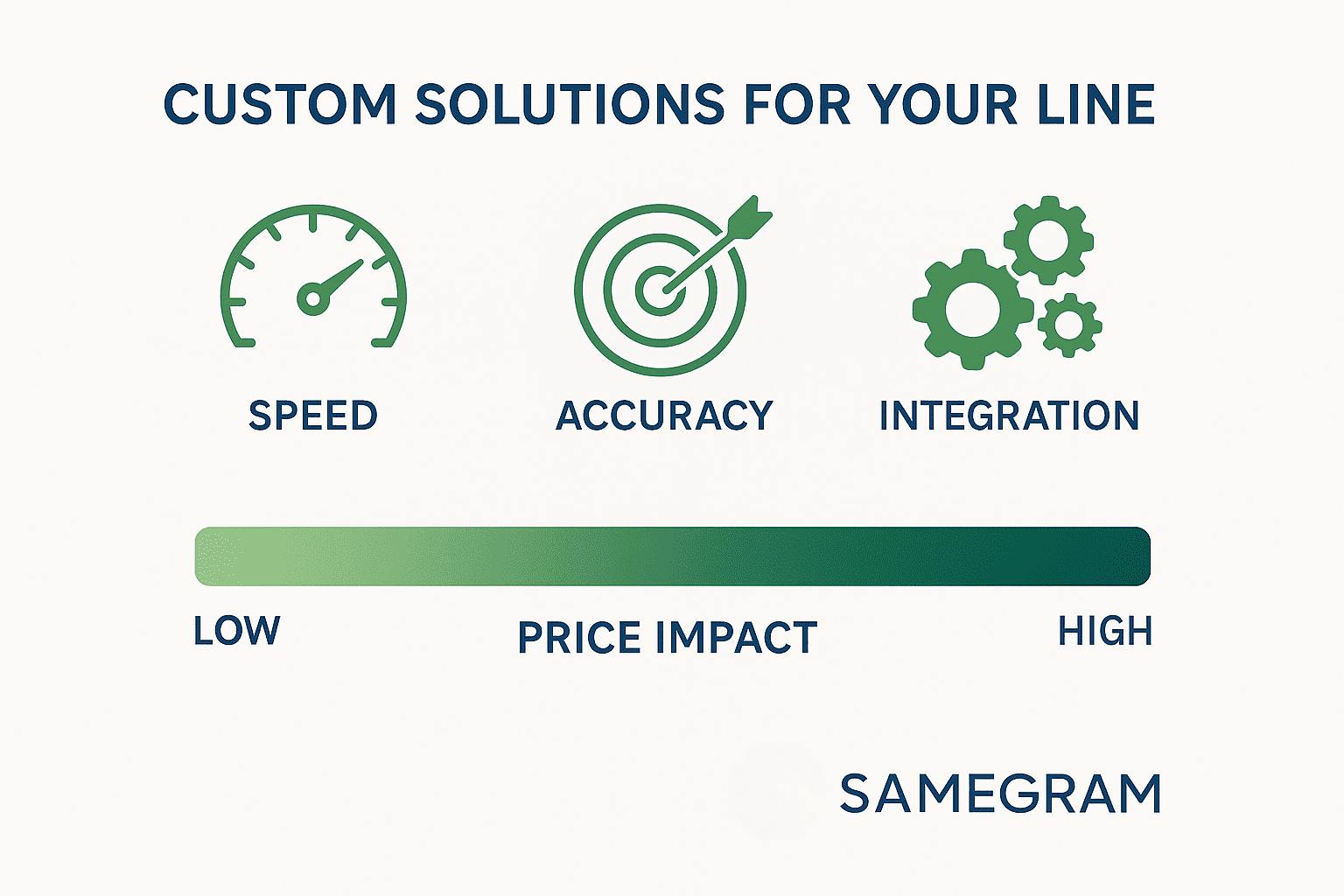
How to Choose the Right Inline Checkweigher for Your Budget
To solve real-world challenges like overfilling or non-compliance:
● Assess your product types (e.g., bottles vs. pouches) and line speed.
● Calculate ROI: High-precision models reduce giveaway by 1-2%, saving thousands annually.
● Opt for modular systems for future-proofing. At SameGram, we offer free sample testing and ROI assessments. Browse our product list for models like the SC2-L-6055S5 or contact us for customized weighing solutions.
Conclusion: Invest Wisely in Checkweigher Technology

Understanding these factors empowers you to select a checkweigher that optimizes costs while ensuring production quality. With the market projected to reach USD 5 billion by 2033, investing in advanced systems is key to staying competitive.
As your trusted partner, SameGram delivers innovation-driven solutions with over 5,000 units deployed worldwide. Visit our homepage or explore our full products index to find the perfect checkweigher. Ready to upgrade? Contact us today for a personalized quote and on-site demonstration.
Hot-Sale Dynamic Checkweigher
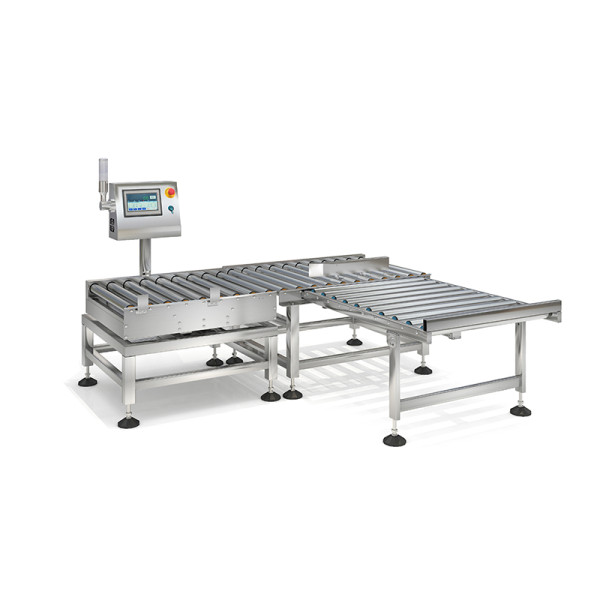
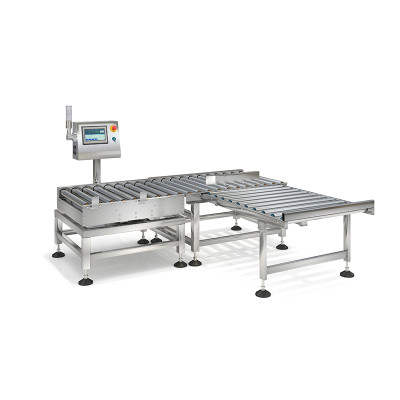
SC3-10060L30 is an Dynamic Roller Checkweigher for large packages, economical and widely used in various outer box products
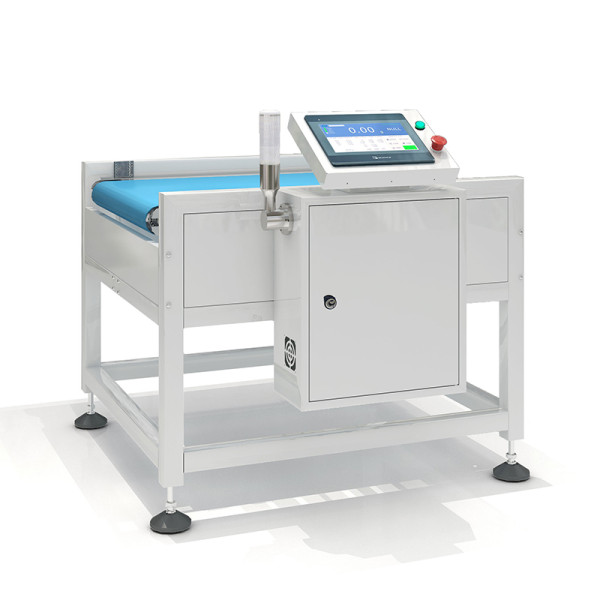
The SC3-10060L50 is an dynamic end of line checkweigher machine with built-in rejector, especially designed for large items.
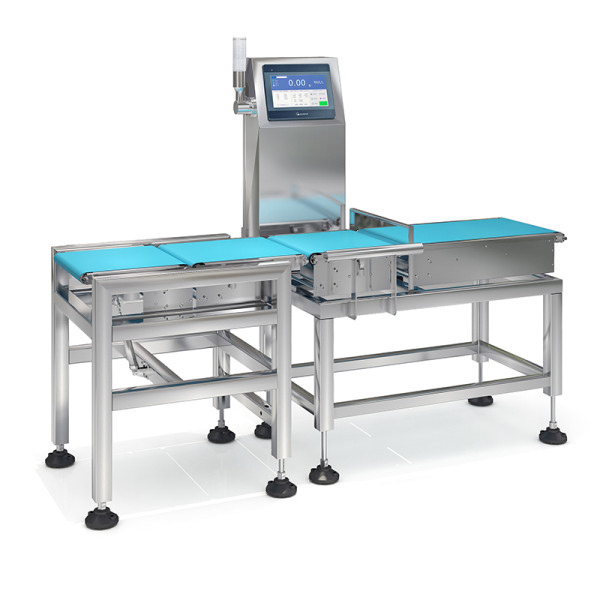
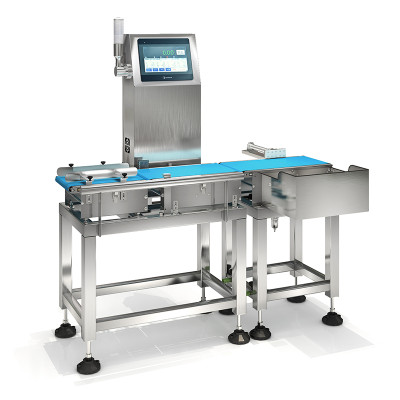
SC1-5040L5 is an economy and dynamic hi speed checkweigher ideal for in line weight checking with precision and reliability.

SC3-10070L80 is a heavy duty checkweigher ideal for large items up to 80 kg. This machine is also known as roller checkweigher.
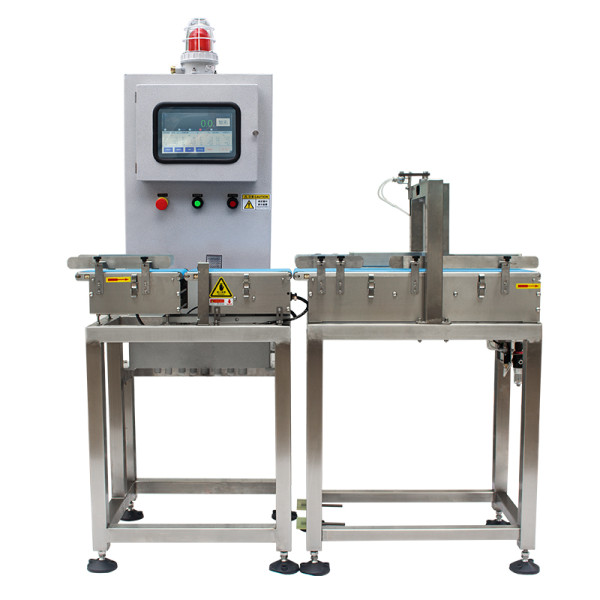
SC-EP is a dynamic checkweigher for Ex zones, suitable for production lines with special requirements for explosion-proof