


Metal Detector Product Effect Compensation in Dairy & Seafood
In the rigorous world of food production, particularly within the dairy and seafood sectors, maintaining the highest standards of food safety is non-negotiable. However, processors in these industries face a unique and formidable challenge: the "Product Effect." High salt content and moisture levels can turn a standard stainless steel metal detector into a source of constant frustration due to frequent false rejects.
At SameGram, we understand that every false rejection represents lost profit and disrupted efficiency. As a leader in Metal Detection Solutions, we have engineered advanced technologies specifically designed to navigate the electromagnetic complexities of wet and conductive products.
The Science of Interference: Why High Salt and Humidity Affect Metal Detectors
In seafood and dairy processing, the environment is often a perfect storm of moisture and electrolytes. To an industrial metal detector, a salty brine or a damp piece of cheese can "look" remarkably like a piece of metal. This phenomenon is driven by three primary factors:
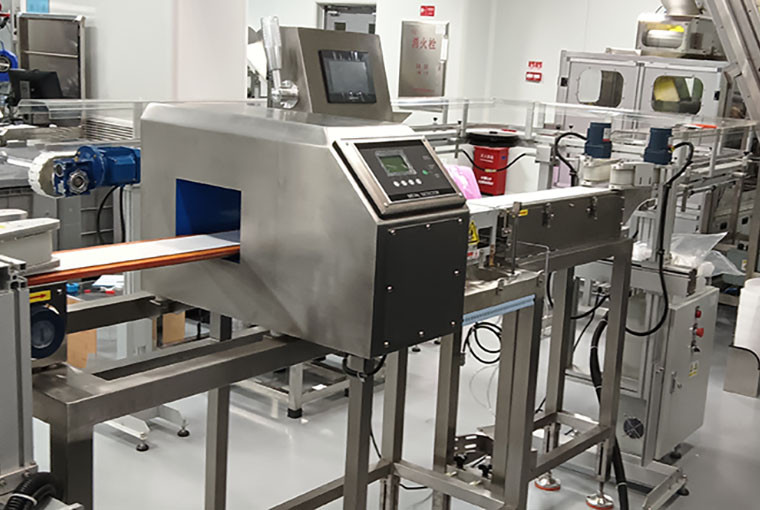
1. Product Effect Interference: Water and salt form conductive pathways within the product. This creates electromagnetic field disturbances that mimic the signal of a metal contaminant. When product moisture exceeds 35%, traditional single-frequency detectors can see false reject rates spike to over 15%.
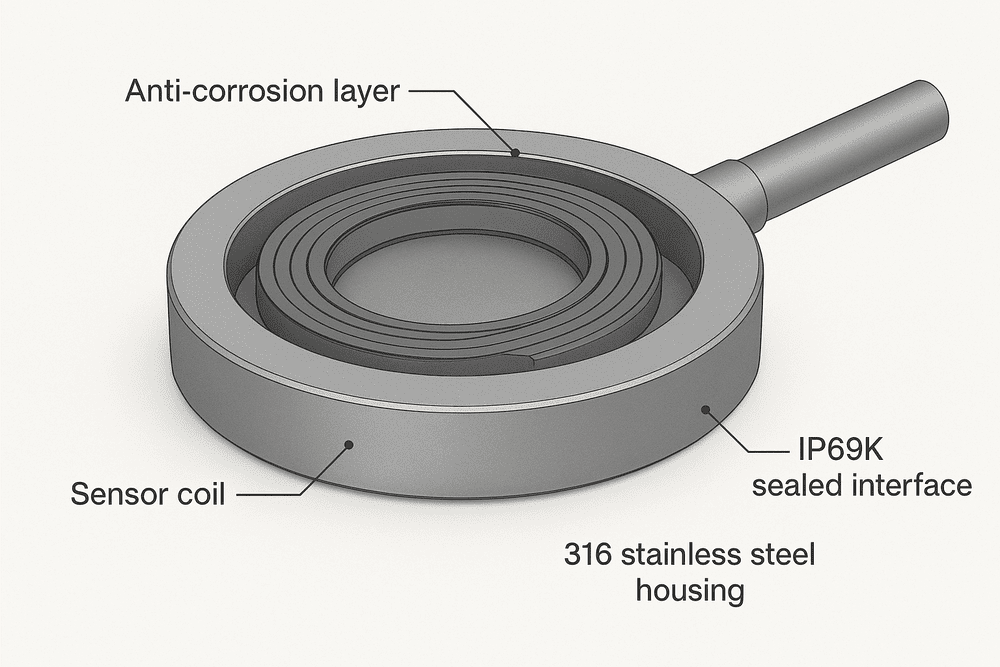
2. Equipment Corrosion: The sodium and chlorine ions prevalent in seafood plants accelerate the oxidation of electronic components, particularly the copper coils within the sensor.
3. Circuit Instability: Persistent vapor penetration can lead to internal short circuits, causing massive fluctuations in detection sensitivity.
Solving the "Product Effect" with Advanced Technology
To maintain accuracy without sacrificing throughput, SameGram utilizes several core technical measures that ensure your industrial metal detector remains a reliable guardian of your brand integrity.
1. Product Effect Compensation: The "Learning" Function
The most effective way to combat salt interference is through Product Effect Compensation. Our food metal detector systems feature an intelligent "Learning Mode." By passing representative high-salt samples through the channel multiple times, the system records specific conductivity and humidity profiles to generate an automatic compensation curve. For instance, when detecting pickles or salted meats with over 10% salt content, the system increases "product signal suppression" to filter out the salt's conductive signal while keeping the metal signal clear.
2. Frequency Optimization and Phase Tracking
Different metals respond differently to various frequencies in high-salt environments. While low frequencies are often better for iron (ferrous) detection, high frequencies are superior for identifying tiny stainless steel fragments in salty meat cans. SameGram's Conveyor Metal Detector technology allows for frequency segment debugging, ensuring the optimal balance for your specific product type.
3. Dynamic Threshold Compensation
Instead of blindly chasing the highest sensitivity—which often leads to "ghost" detections—we recommend setting a sensitivity gradient based on the minimum detectable contaminant size required by your HACCP plan. Our "Dynamic Threshold Compensation" accounts for fluctuations in product shape and temperature, reducing the noise created by moving, wet products.
Structural Integrity: Built for the Harshest Environments
A food metal detection system in a seafood plant must be more than just smart; it must be tough. At SameGram, we prioritize structural optimization to ensure long-term stability:
● Upgraded Materials: We replace standard plastics with anti-corrosive PTFE (Teflon) or 316 Stainless Steel for internal channel linings to prevent insulation degradation caused by salt vapor.
● IP-Rated Sealing: Our food metal detector utilizes waterproof joints and hermetically sealed internal interfaces to prevent salt-laden moisture from reaching the circuitry.
● Protection for Rejection Mechanisms: The moving parts of a flipper or pusher rejector are prone to seizure in salty air. We utilize food-grade rust-proof lubricants and rubber seals to maintain mechanical precision.
The Power of Integration: Industrial Metal Detectors in Automated Lines
Modern food factories are moving away from standalone machines toward fully integrated, automated systems. The most significant leap in efficiency comes from combining your food metal detector with other inspection technologies.
The Benefits of the Stainless Steel Metal Detector & Checkweigher Combo System
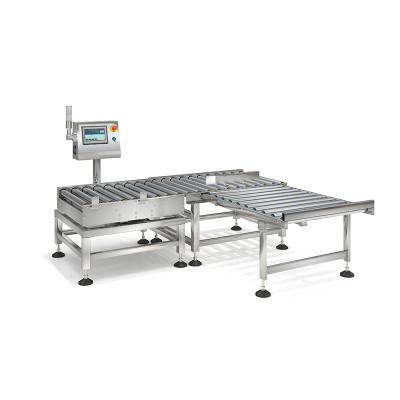
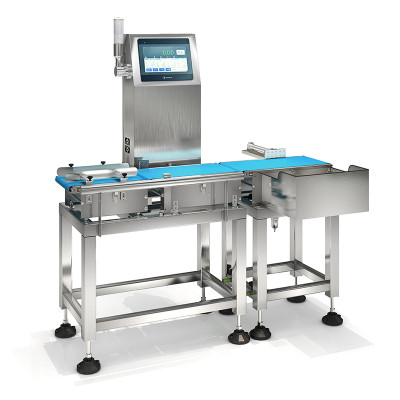
Integrating a Stainless Steel Metal Detector with a Checkweigher—such as our Combination System SCM-4530L2—offers unparalleled advantages for seafood and dairy processors:
1. Space Efficiency: In crowded production facilities, a combo unit significantly reduces the equipment footprint.
2. Unified Data Management: By linking detection and weighing data, you gain a holistic view of your production quality. This allows for better Data Traceability and continuous optimization.
3. Cost Reduction: Shared frames and control systems mean lower maintenance costs and simplified operator training.
4. Seamless Rejection: A unified checkweigher combo system ensures that if a product is either contaminated or underweight, it is accurately removed from the line with a single, synchronized rejection mechanism.
Best Practices for Maintenance in High-Humidity Zones
To keep your food metal detection systems operating at peak performance, a disciplined maintenance routine is essential:
● Conveyor Hygiene: Salt residue on a belt can form a conductive layer over time. We recommend daily rinsing with fresh water (avoiding corrosive cleaners) to prevent signal interference.
● Sample Temperature Control: High-temperature products (like seafood post-pasteurization) should be cooled to room temperature before detection to avoid air convection disturbances in the magnetic field.
● Regular Calibration: Monthly checks using standard test pieces (e.g., Φ1.0mm Ferrous or Φ1.5mm Stainless Steel) are vital to combat the natural aging of coils in harsh environments.
Ideal Environmental Conditions
For optimal accuracy, your equipment should ideally operate within the following parameters:
● Temperature: 15°C to 35°C.
● Relative Humidity: ≤ 85%.
● Location: Away from strong electromagnetic sources like large motors or frequency converters.
About SameGram: Your Partner in Food Safety Excellence
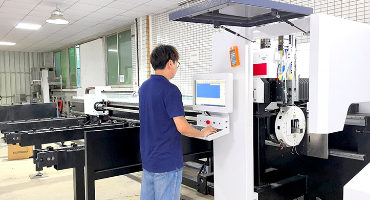
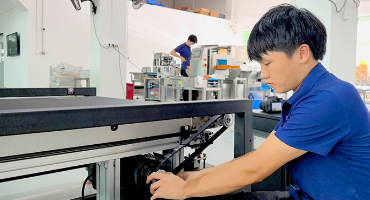
Since our inception, SameGram has been dedicated to the research, development, and manufacturing of high-end inspection equipment. As a recognized high-tech enterprise, we pride ourselves on delivering solutions that are not just machines, but pillars of your quality control strategy.
Our SameGram Factory utilizes state-of-the-art manufacturing processes to ensure every conveyor metal detector we ship meets international safety standards. We believe in "Quality First," a philosophy that has made us a trusted partner for food processors worldwide. Whether you are looking for a standalone conveyor system or a sophisticated multi-lane inspection array, our team is ready to provide the expertise you need.
Conclusion: Achieving Zero-Downtime Detection
In the demanding environments of seafood and dairy processing, a conveyor metal detector is only as good as its ability to distinguish between "product effect" and actual contamination. By leveraging Product Effect Compensation, investing in 316 stainless steel construction, and integrating with automated checkweighing systems, you can virtually eliminate false rejects and protect your bottom line.
At SameGram, we don't just sell equipment; we provide the peace of mind that comes with knowing your production line is secure.
Are you struggling with false rejects in your high-salt production environment?
Contact Our Engineering Team today for a custom consultation, or explore our full range of Inspection Solutions to see how we can help you streamline your path to compliance.
Hot-Sale Metal Detectors
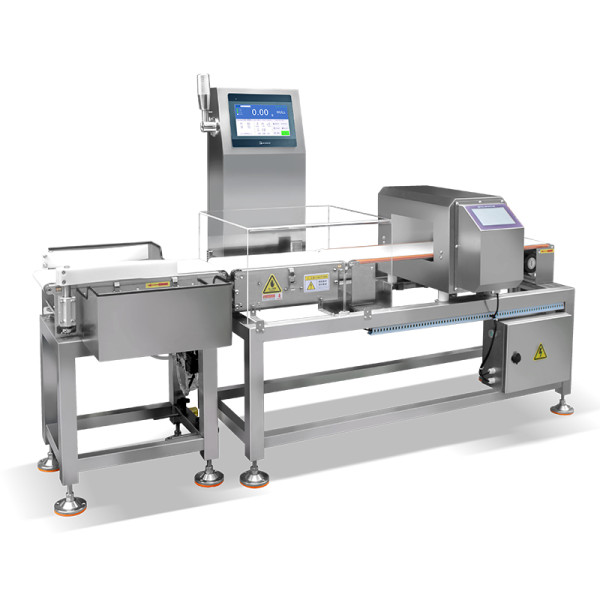
checkweigher & metal detector combo machines ensures food safety, detects contaminants, and controls weight in a compact unit.
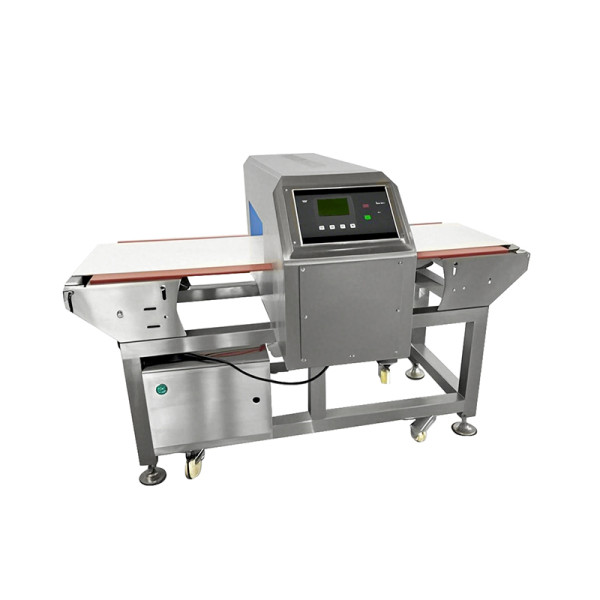
DD-720 is a belt conveyor metal detector with unmatched sensitivity, ideal for food and pharma.
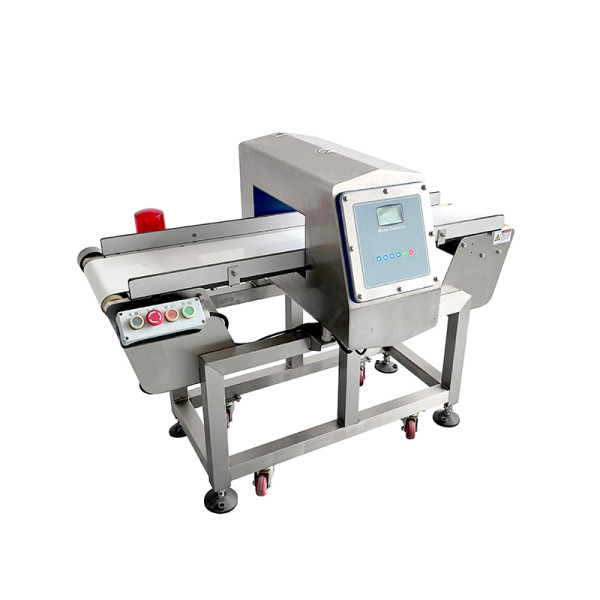
Customizable metal detector for conveyor belt with dual frequency, high sensitivity, and strong anti-interference.
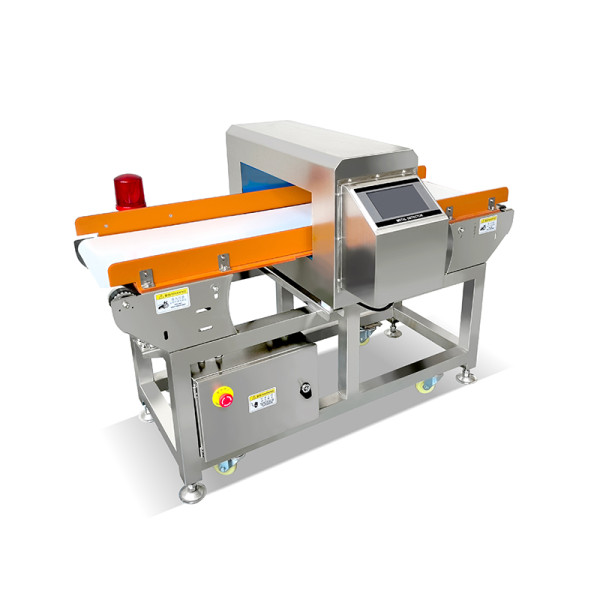
DD-360 Series is a food-grade metal detector conveyor system. Ideal for food industry and food production lines.
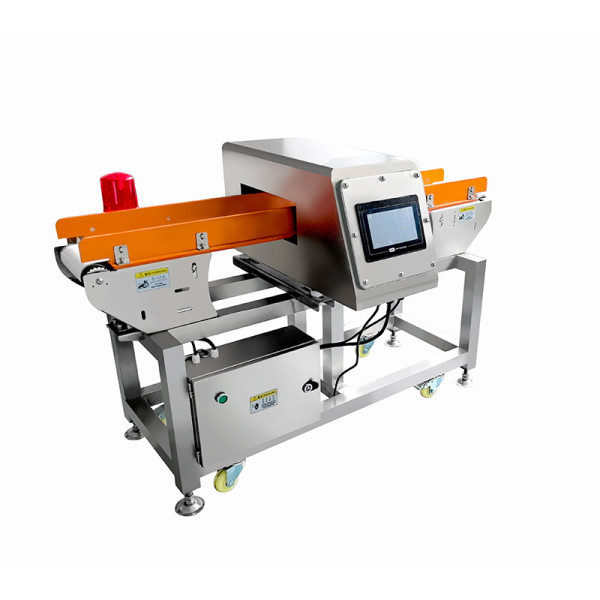
DD-220 is a food conveyor metal detector designed for aluminum foil packaging,with high sensitivity and easy integration.