




MSF Food Metal Detector: Stop False Rejects in Wet Food Lines
The Hidden Cost of False Rejects on Modern Packaging Lines
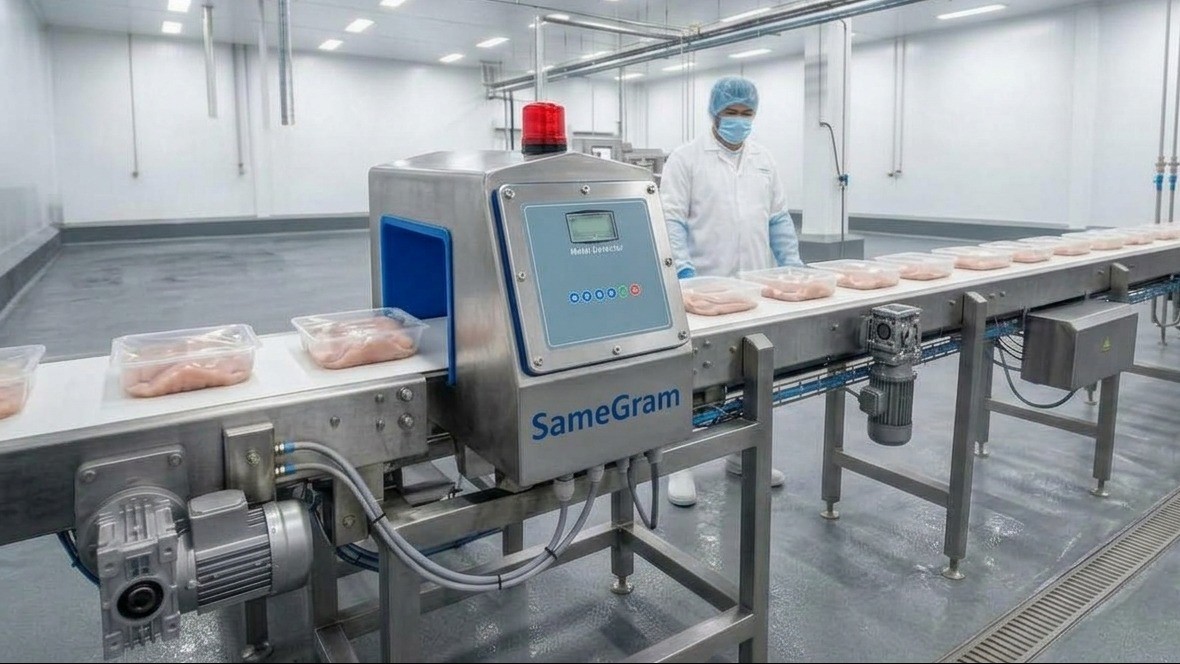
Walk into almost any high-speed poultry, fresh meat, or seafood processing facility, and you will likely observe a frustrating scene at the end of the packaging line: a reject bin overflowing with perfectly good, uncontaminated product.
For plant managers and Quality Assurance (QA) teams, false rejections represent a silent drain on profitability. When an in-line metal detector flags a compliant product as contaminated, two costly scenarios unfold:
1. Direct Material Waste: Good product is discarded or routed for manual reprocessing, consuming valuable labor and reducing overall throughput.
2. Operational Downtime: Frequent alarms prompt line supervisors to pause production, re-calibrate equipment, or—worse—manually widen the detection threshold to keep the conveyor moving.
Widening detection thresholds creates an entirely different hazard: increased risk of sending a real metal fragment into the supply chain. Stainless steel fragments from upstream cutters, blades, or grinders can easily pass undetected when sensitivity is compromised.
The root cause of this operational headache is not operator error—it is an inherent physical phenomenon known as product effect. Resolving this challenge requires moving beyond legacy inspection methods to Multi-Simultaneous Frequency (MSF) technology.
The Physics of Product Effect: Why Conventional Detectors Fail
To understand why conventional metal detectors struggle on wet or salty production lines, we must look at the underlying electromagnetic physics.
A standard conveyor metal detector generates an electromagnetic field across an aperture using a central transmitter coil and two balanced receiver coils. When a metallic object passes through this field, it disrupts the balance, creating a measurable electrical signal.
The Role of Conductivity and Permeability
Metals disturb this field in two distinct ways:
● Magnetic Permeability: Ferrous metals (such as iron) distort magnetic flux lines, generating a strong, easily identifiable signal.
● Electrical Conductivity: Non-ferrous metals (such as copper or aluminum) generate eddy currents, creating a distinct conductive signal phase.
The primary inspection challenge arises with Austenitic Stainless Steel (SUS316). Widely used in food processing machinery for its corrosion resistance, SUS316 is non-magnetic and possesses relatively low electrical conductivity.
The Product Effect Overlap
High-moisture products—such as raw meat, fresh fish, cheese, or pickled items—contain water and dissolved salts (electrolytes). As these products pass through the detector's aperture, the conductive moisture creates a secondary electromagnetic field of its own.
In a conventional single-frequency metal detector, the phase angle generated by wet, conductive food overlaps directly with the phase angle of a small SUS316 spherical contaminant.
When operating on a single frequency, the detector cannot distinguish the signals. If you increase sensitivity to catch a 1.2 mm SUS316 sphere, the product's natural moisture triggers a false alarm. If you back off sensitivity to ignore the product signal, real stainless steel fragments pass straight through.
Breakthrough Mechanics: How Multi-Simultaneous Frequency (MSF) Works
Legacy inspection systems attempted to solve this issue with "tunable" or "selectable" single frequencies. While these machines allow operators to pick a different operating frequency for different product profiles, they still operate on only one frequency at a time during active inspection. If the product's core temperature or moisture content fluctuates mid-shift, a single-frequency unit inevitably misinterprets the phase shift.
Multi-Simultaneous Frequency (MSF) technology fundamentally changes this dynamic.
Concurrent Harmonic Spectrum
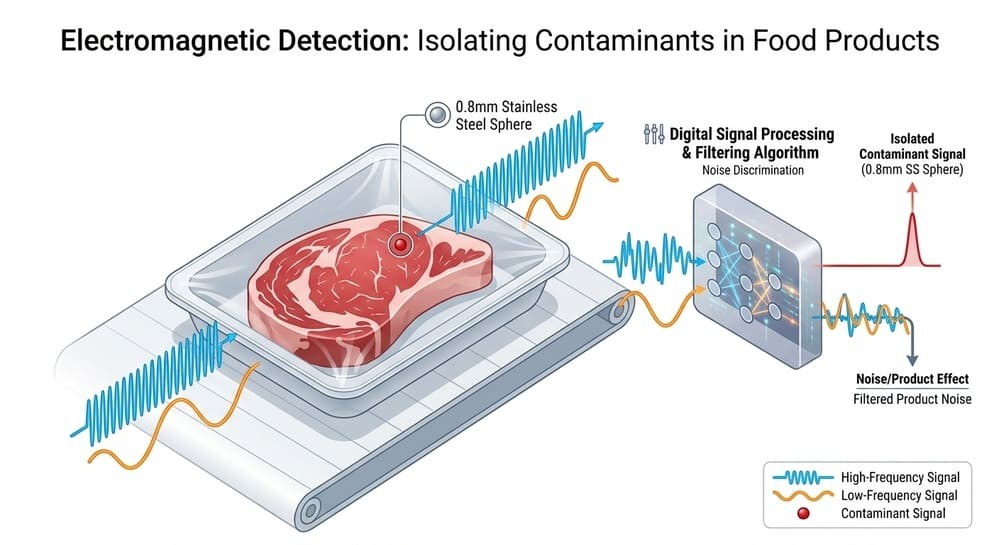
Instead of transmitting a single electromagnetic wave, an MSF system transmits a broad spectrum of high and low frequencies through the inspection aperture at the exact same time.
● Low-Frequency Waves: Penetrate deep into the product matrix, measuring bulk moisture, salt content, and overall conductivity.
● High-Frequency Waves: Excel at detecting minute disruptions caused by non-magnetic stainless steel contaminants.
Real-Time Vector Demodulation
Inside an advanced system—such as our SameGram Conveyor Metal Detector Series—a high-speed Digital Signal Processor (DSP) receives these concurrent frequency signals.
The system applies sophisticated vector subtraction algorithms to compare the phase shifts across all active frequencies simultaneously. Because the product's conductive moisture behaves predictably across specific frequency ratios while a solid metal fragment behaves quite differently, the DSP mathematically subtracts the "product effect background noise" in real time.
This digital suppression isolates the true metallic contaminant signal, allowing processors to detect SUS316 spherical contaminants up to 50% smaller than traditional single-frequency machines achieve on wet product lines, while maintaining near-zero false rejection rates.
Single-Frequency vs. MSF vs. X-Ray: Strategic Comparison Matrix
When evaluating line equipment, engineering teams often weigh MSF metal detectors against traditional single-frequency units and X-ray inspection systems. The matrix below outlines how these technologies compare across critical operational parameters:
| Operational Parameter | Legacy Single Frequency | Tunable Single Frequency | Multi-Simultaneous Frequency (MSF) | X-Ray Inspection |
Primary Mechanism | Fixed Electromagnetic Field | Selectable Electromagnetic Field | Concurrent Multi-Frequency Harmonics | High-Energy X-Ray Density Differential |
Product Effect Tolerance | Poor (High FRR on wet goods) | Moderate (Requires frequent recalibration) | Exceptional (Real-time digital suppression) | Complete (Unaffected by moisture/salt) |
| SUS316 Sensitivity (Wet) | Low (≥ 1.8 mm) | Moderate (≥ 1.5 mm) | High (≤ 0.8 -- 1.0 mm) | High (≤ 0.8 mm, thickness-dependent) |
| Foil Packaging Capability | Incompatible | Incompatible | Incompatible (Metal film interferes) | Ideal for Thick Aluminum Foil |
| Capital & Operating Cost | Low CAPEX / High Waste | Moderate CAPEX | High ROI / Low Total Cost of Ownership | High CAPEX & Maintenance (Tube replacements) |
While X-ray equipment excels at detecting non-metallic dense contaminants (like glass, stone, or bone fragments) and inspecting thick metal foil trays, MSF metal detection remains the most cost-effective, durable, and low-maintenance solution for un-packaged, poly-bagged, or top-sealed fresh product lines.
For factories seeking broader quality automation, exploring comprehensive SameGram Industrial Inspection Solutions helps identify whether standalone metal detection or multi-sensor combination systems best match specific line layouts.
Engineering Checklist: 5 Crucial Factors When Selecting MSF Equipment
To ensure a new metal detector performs reliably under harsh plant conditions, engineering and purchasing teams should evaluate these five core criteria:
1. Dynamic In-Line Sensitivity Verification
Never base a purchasing decision solely on "empty aperture" specification sheets. An empty aperture test measures clean electromagnetic space, not actual factory conditions. Always demand dynamic testing with your actual product—at line speed, at operational temperatures, and with standard test cards (Fe, Non-Fe, and SUS316).
2. Thermal Drift and Environmental Stability
Food processing plants experience notable temperature fluctuations. A conveyor moving from a 2^°C cold processing room through a washdown cycle can suffer phase drift if the detector head lacks thermal compensation circuits. Ensure the detector includes hardware-level temperature stabilization to keep phase angles locked during long shifts.
3. Hygienic Construction & Washdown Protection
Sanitation in meat and dairy plants involves aggressive chemical application and high-pressure hot water washdowns. Equipment must feature robust stainless steel construction with full IP66/IP69K ingress protection ratings to prevent water from entering the coil housing or control electronics.
4. Regulatory Compliance & Data Integrity
Modern food safety standards—such as HACCP, BRCGS, and IFS—require verifiable audit logging. Ensure the equipment records every calibration event, test wand check, and rejection occurrence with timestamped data export capabilities via Ethernet or USB.
To review our international compliance accreditations, visit the official SameGram Certification Portal. Our equipment carries independent verification across key international standards, including:
5. Floor Space Optimization and Dual-Function Integration
Plant floor space is always at a premium. Installing separate checkweighing and metal detection units requires extended conveyor lengths, complex wiring, and multiple control interfaces.
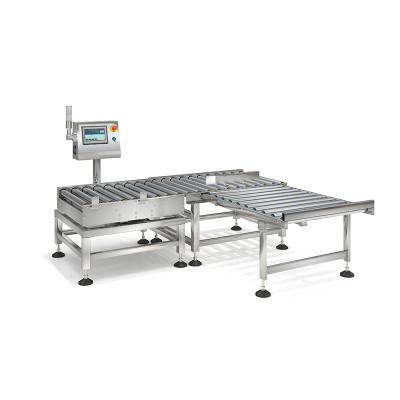
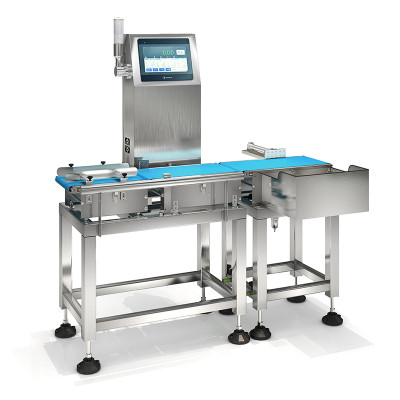
Where space is tight, integrating inspection steps into a single machine is an effective approach. Deploying a unified SameGram Combination Checkweigher and Metal Detector System allows facilities to verify net weight compliance while performing high-sensitivity MSF metal inspection—saving up to 50% in footprint while unifying operator control under a single HMI touchscreen interface.
Financial ROI & OEE Impact: Calculating Your Real Savings
Investing in Multi-Simultaneous Frequency technology is not just an equipment upgrade; it is an investment in direct cost reduction. Let us examine the financial return through a practical factory scenario.
Case Example: Fresh Meat Processing Facility
Consider a facility producing 50,000 package units per day of marinated fresh chicken breasts, with an average product value of $4.00 per unit.
Scenario A: Legacy Single-Frequency Metal Detector
Due to variations in brine distribution and surface moisture, the legacy single-frequency detector experiences a False Reject Rate (FRR) of 0.40%.
● Daily False Rejects: 50,000 × 0.0040 = 200 packages/day
● Daily Direct Product Loss: 200 units × $4.00 = $800 / day
● Annual Product Waste: $800 × 300 days = $240,000 / year
Scenario B: SameGram MSF Metal Detection System
By upgrading to a SameGram MSF system featuring dynamic Product Signal Suppression (PSS), the concurrent frequency algorithms dynamically subtract brine interference, dropping the FRR down to 0.01%.
● Daily False Rejects: 50,000 × 0.0001 = 5 packages/day
● Daily Direct Product Loss: 5 units × $4.00 = $20 / day
● Annual Product Waste: $20 × 300 days = $6,000 / year
Direct Annual Material Savings: $234,000
Beyond direct material savings, eliminating false rejections yields additional operational gains:
● Increased Overall Equipment Efficiency (OEE): Line operators no longer stop the conveyor to inspect false alarms or clear backlogged product bins.
● Reduced Labor Costs: Minimal manual re-inspection frees QA staff to focus on critical food safety protocol enforcement.
● Brand Protection: Achieving higher sensitivity to non-magnetic stainless steel (≤ 0.8 mm) protects the facility against market recalls and consumer claims.
For operations processing varied package sizes, tailoring equipment across different Food Industry Inspection Applications ensures both weighing precision and contaminant security line by line.
Elevate Your Line Quality with SameGram Engineering
Product effect no longer needs to compromise detection sensitivity or limit your packaging line throughput. By deploying Multi-Simultaneous Frequency (MSF) technology, processing facilities can confidently detect tiny stainless steel contaminants while maintaining high line speeds and zero-drift operational stability.
At SameGram, we engineer robust, user-friendly inspection equipment tailored to demanding factory environments. Whether you need an IP69K standalone metal detector, a high-speed dynamic checkweigher, or an integrated dual inspection system, our application engineering team is ready to evaluate your product characteristics and supply line layout.
Request a Free Sample Testing Report
Curious to see how your product performs under Multi-Simultaneous Frequency inspection?
Contact SameGram engineers today to arrange a complimentary sample testing session. We will run your actual product through our MSF systems and provide a comprehensive sensitivity report featuring Fe, Non-Fe, and SUS316 test wand evaluations.
Author: Tony, Founder & CTO, SameGram.
“At SameGram, every innovation starts with listening — to machines, to data, and most importantly, to our customers.”
Hot-Sale Metal Detector
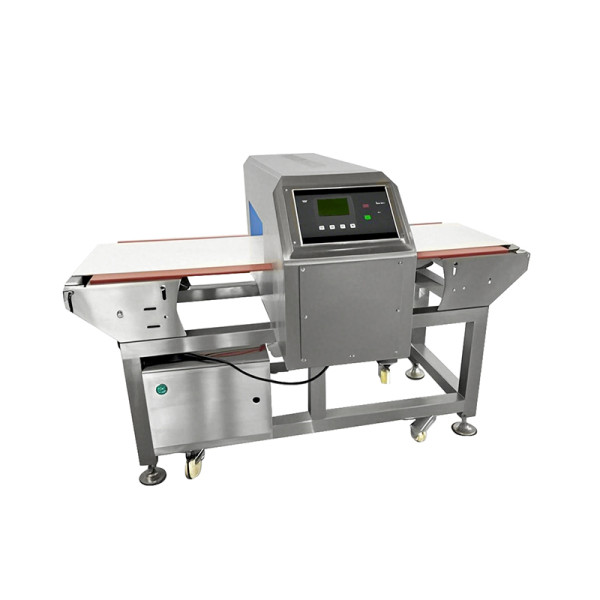
DD-720 is a belt conveyor metal detector with unmatched sensitivity, ideal for food and pharma.
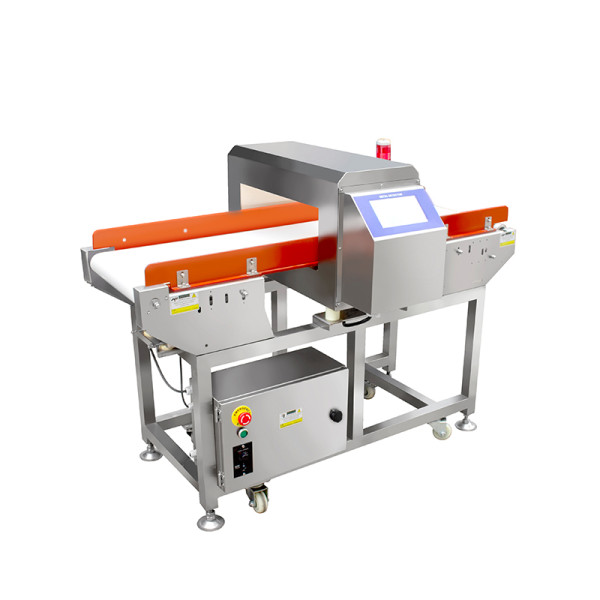
DD-500 Series is an advanced conveyor belt metal detector using smart touch-screen control. Ideal for food production and other
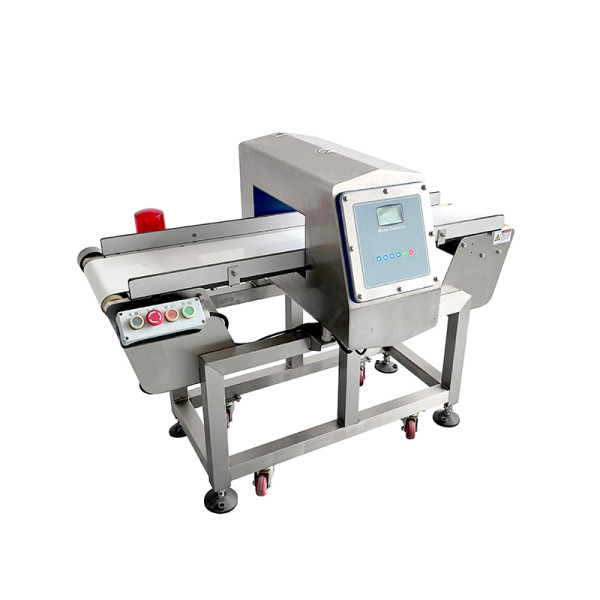
Customizable metal detector for conveyor belt with dual frequency, high sensitivity, and strong anti-interference.
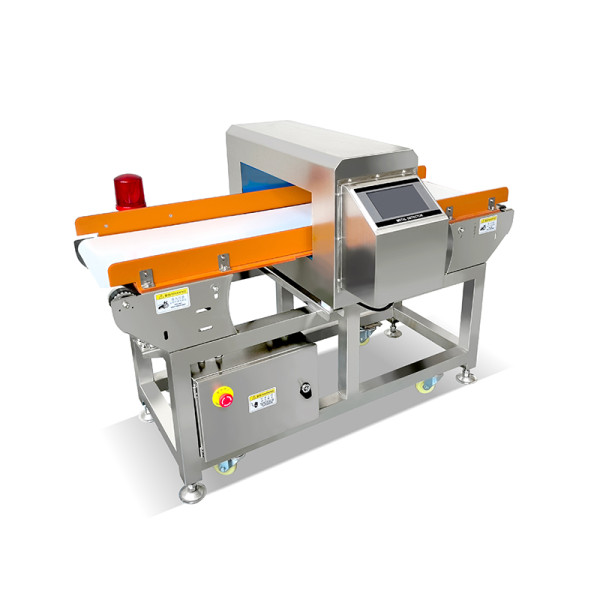
DD-360 Series is a food-grade metal detector conveyor system. Ideal for food industry and food production lines.
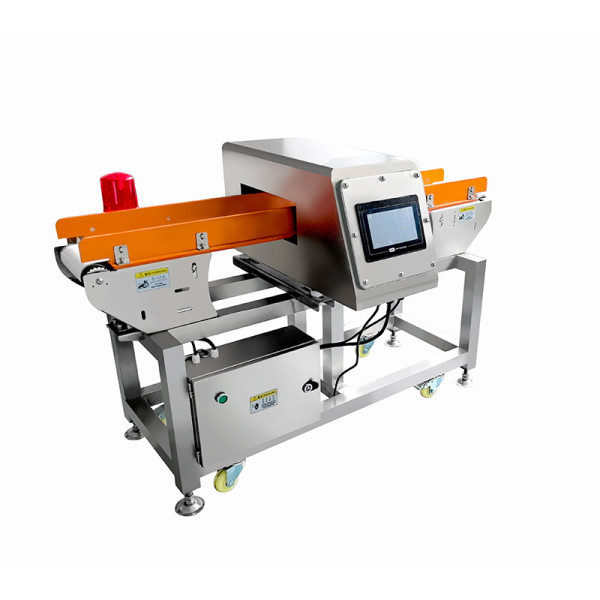
DD-220 is a food conveyor metal detector designed for aluminum foil packaging,with high sensitivity and easy integration.