
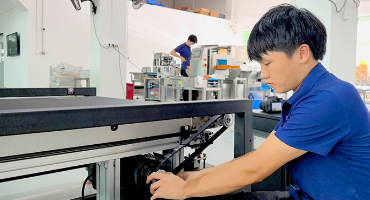


IoT Predictive Maintenance for Conveyor Metal Detector | SameGram
The Hidden Cost of Unplanned Downtime in Modern Production Lines
In today's highly competitive industrial landscape, efficiency is the ultimate currency. Plant managers and quality assurance directors face a continuous battle against an invisible enemy: unplanned downtime. According to industrial research from the Aberdeen Group, unexpected equipment failure can cost high-value manufacturing lines up to $260,000 per hour. When a critical end-of-line system, such as a conveyor metal detector or dynamic checkweigher, suddenly halts, the entire upstream production process is bottlenecked.
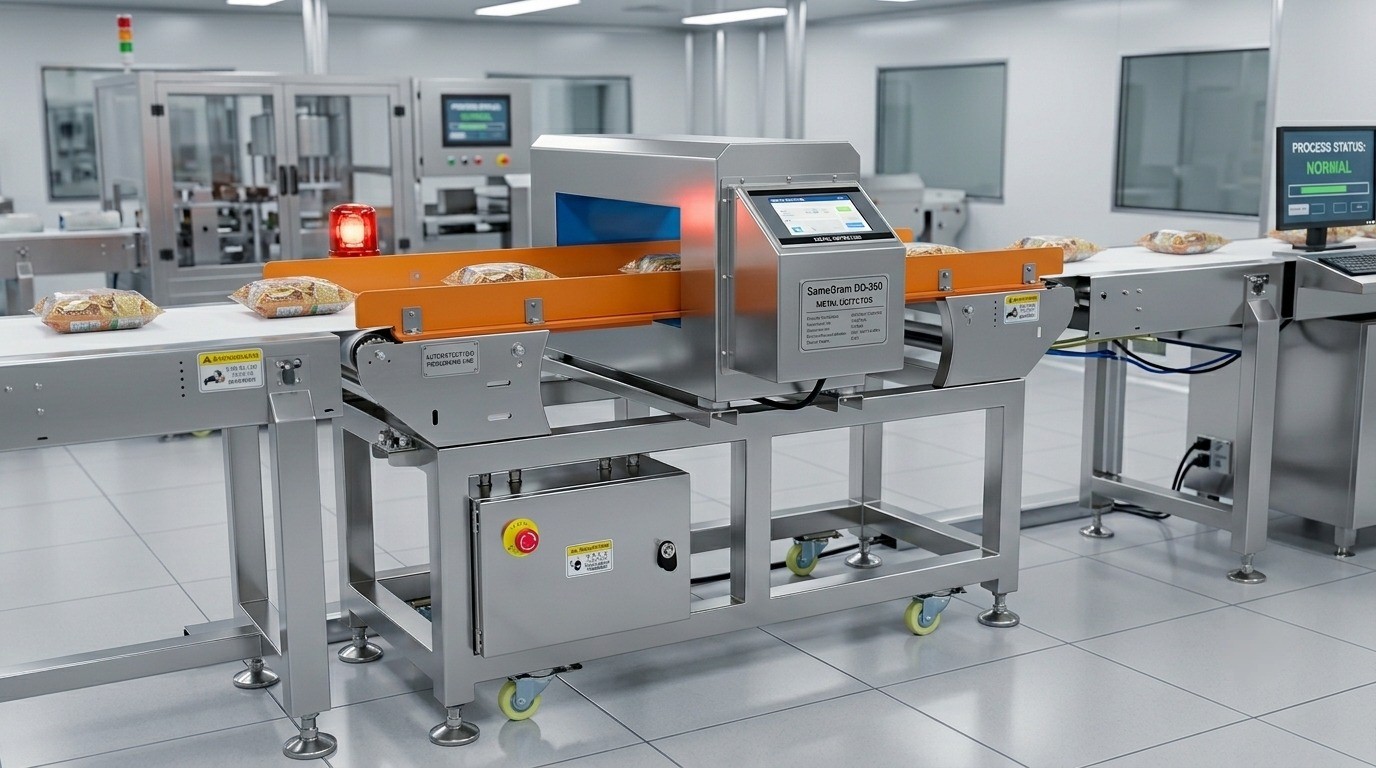
Traditionally, manufacturers relied on reactive maintenance—waiting for a component to break before replacing it—or preventative maintenance, which involves replacing parts on a fixed schedule regardless of their actual condition. Both approaches are financially inefficient. Reactive maintenance leads to catastrophic line stoppages, wasted product, and emergency shipping fees for spare parts. Scheduled maintenance often results in perfectly healthy components being discarded prematurely.
Furthermore, stringent international compliance standards, such as OIML R51:2006 for automatic catchweighing instruments, demand consistent, uninterrupted accuracy. A machine that is slowly drifting out of calibration due to mechanical wear risks severe compliance violations. The manufacturing sector needs a smarter approach.
How IoT Transforms Inspection Equipment: From Reactive to Predictive
The solution lies in the convergence of the Internet of Things (IoT) and edge computing. Predictive Maintenance (PdM) represents a paradigm shift from blind, schedule-based repairs to condition-based, proactive care. By equipping industrial machinery with advanced IoT sensors, manufacturers can listen to the real-time operational status of their equipment.
This transformation is built on specific technological integrations:
● Sensor Data Acquisition: High-fidelity sensors are integrated into critical mechanical points. Vibration and temperature sensors monitor motors and conveyor bearings.
● Signal & Component Health: Continuous monitoring of electromagnetic field stability is deployed alongside response delay tracking for pneumatic rejector valves.
● Edge Computing & Transmission: Instead of isolating machine data, edge processing utilizes MQTT and OPC-UA industrial protocols to communicate health status directly to the plant’s central systems.
To understand the true value of IoT-driven predictive maintenance, it is essential to look at specific applications on the packaging floor. Metal detectors are high-precision instruments; microscopic mechanical issues severely impact their performance.
● Scenario 1: Mitigating Vibration-Induced False Rejects: Conveyor metal detectors rely on a perfectly balanced electromagnetic field. Over time, subtle wear on the conveyor belt bearings introduces micro-vibrations. Traditionally, this causes signal drift and false alarms. With predictive maintenance, vibration sensors detect this specific degradation, issuing an automated warning 7 days in advance. The bearing is replaced during a planned shift change, averting the crisis.
● Scenario 2: Pneumatic Rejector Valve Degradation: When a contaminant is identified, the pneumatic rejector must activate in milliseconds. If air cylinder pressure drops, the rejector fails to remove the contaminated package. IoT pressure sensors and real-time response counters flag this micro-delay immediately, ensuring the mechanism is serviced before a compromised product reaches the consumer.
● Scenario 3: Remote Diagnostics: Cloud-connected equipment allows technicians to perform remote diagnostics, significantly lowering the costs and delays associated with on-site engineering visits.
Evaluating the ROI: Is Predictive Maintenance Worth the Investment?
Adopting predictive maintenance is a strategic financial decision. Industry data indicates that implementing IoT-driven PdM can reduce overall maintenance costs by 18% to 25% and extend the operational lifespan of the equipment by 20% to 40%.
The Return on Investment (ROI) is typically realized within a standard payback period of 8 to 18 months. This is driven by optimized spare parts inventory and the elimination of catastrophic failures. However, a rational implementation strategy is required to avoid data overload. Facilities must avoid meaningless, excessive data collection and instead focus strictly on critical failure nodes—such as the end-of-line inspection systems—to ensure maximum profitability.
Advantages of Integrating Combination Weighers into Automated Vegetable Production Lines
Integrating smart combination weighers into vegetable lines brings huge benefits. It reduces manual labor and speeds up packaging. Sensors monitor machine health to stop jams before they happen. Fresh vegetables move faster, keeping them crisp and safe. It is an easy and effective upgrade for plant efficiency.
Future-Proof Your Production Line with Smart Inspection Solutions
The era of running equipment until it breaks is over. Aligning with Industry 4.0 trends, manufacturers must leverage data to stay ahead. Predictive maintenance empowers your team to take control of the production schedule, transforming unpredictable breakdowns into manageable, scheduled tasks.
At SameGram, our intelligent inspection solutions and Conveyor Metal Detectors are designed to seamlessly integrate into your smart factory ecosystem. Contact our technical team today for a free evaluation of your production line's equipment upgrade feasibility, and discover how to optimize your operational ROI.
Hot-Sale Metal Detector
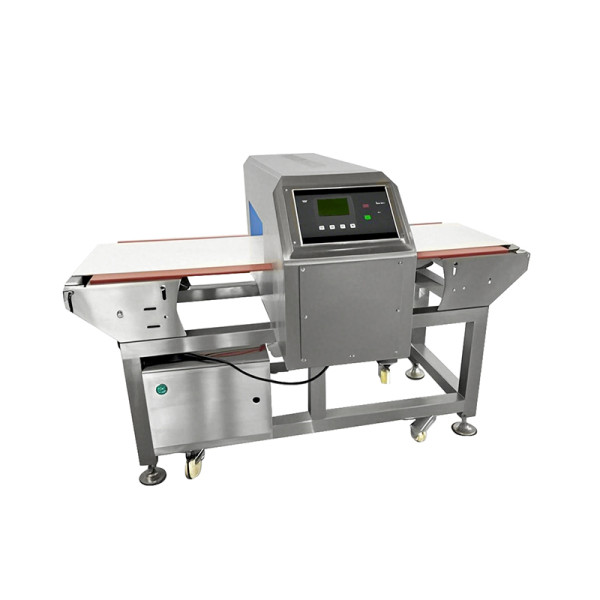
DD-720 is a belt conveyor metal detector with unmatched sensitivity, ideal for food and pharma.
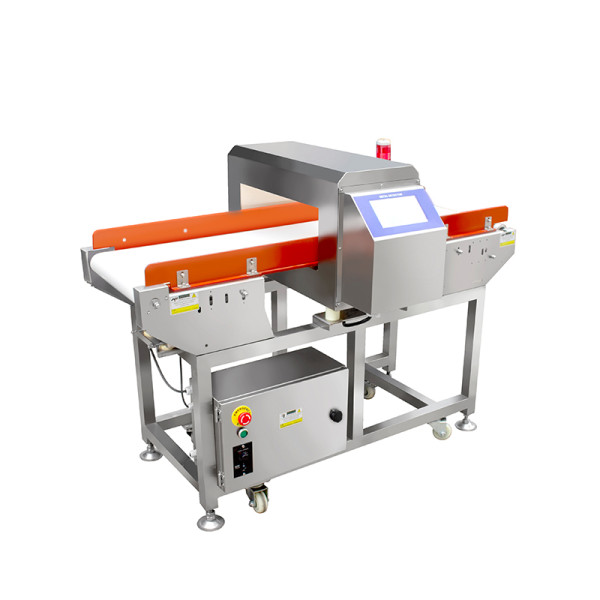
DD-500 Series is an advanced conveyor belt metal detector using smart touch-screen control. Ideal for food production and other
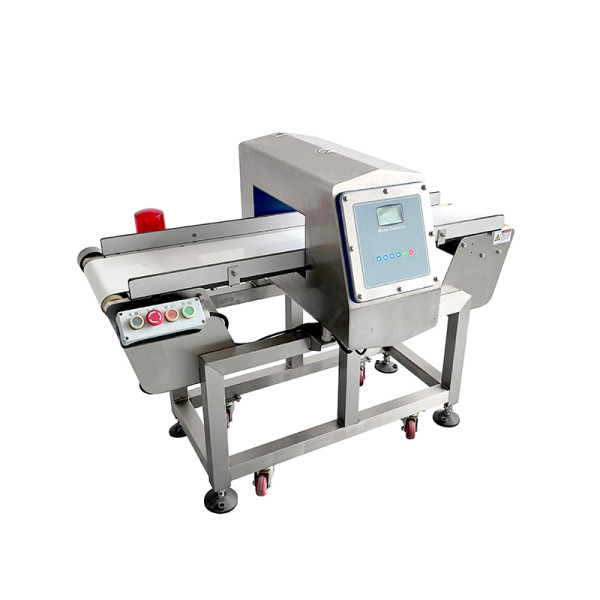
Customizable metal detector for conveyor belt with dual frequency, high sensitivity, and strong anti-interference.
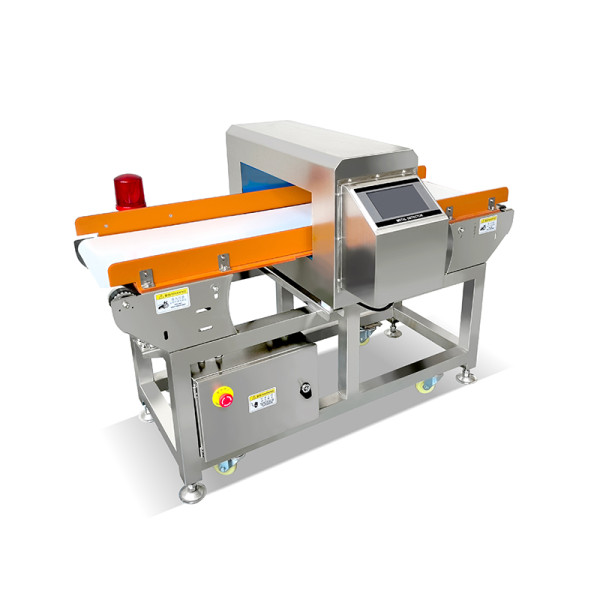
DD-360 Series is a food-grade metal detector conveyor system. Ideal for food industry and food production lines.
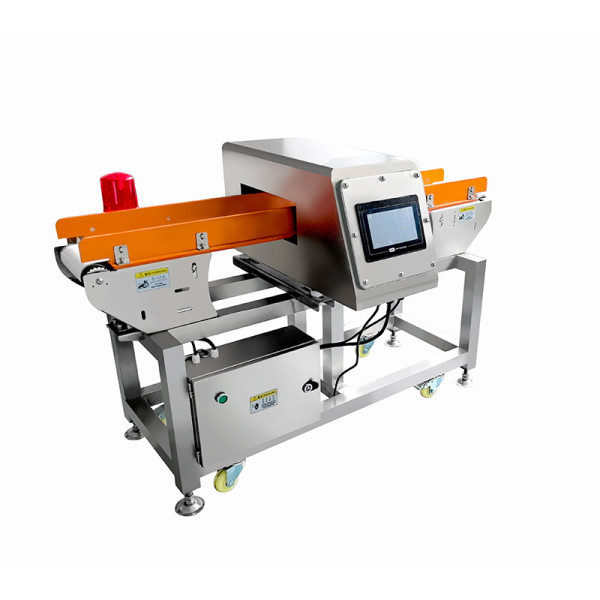
DD-220 is a food conveyor metal detector designed for aluminum foil packaging,with high sensitivity and easy integration.