
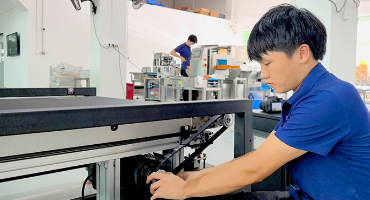


Conveyor Belt Metal Detector DD-360 | Food Safety | SameGram
Introduction: Metal Foreign Objects – A Safety Hazard That Cannot Be Ignored on the Production Line
In modern food processing and industrial manufacturing production lines, metal contamination is one of the most common and dangerous quality risks. A broken screw, a piece of worn-out screen mesh, or even a dropped injection needle can have catastrophic consequences—for food companies, this means consumer complaints, a collapse of brand reputation, and even legal liability; for pharmaceutical companies, it can directly threaten patients' lives; and for the textile and chemical industries, metal contaminants can damage expensive downstream equipment, causing production stoppages and economic losses.
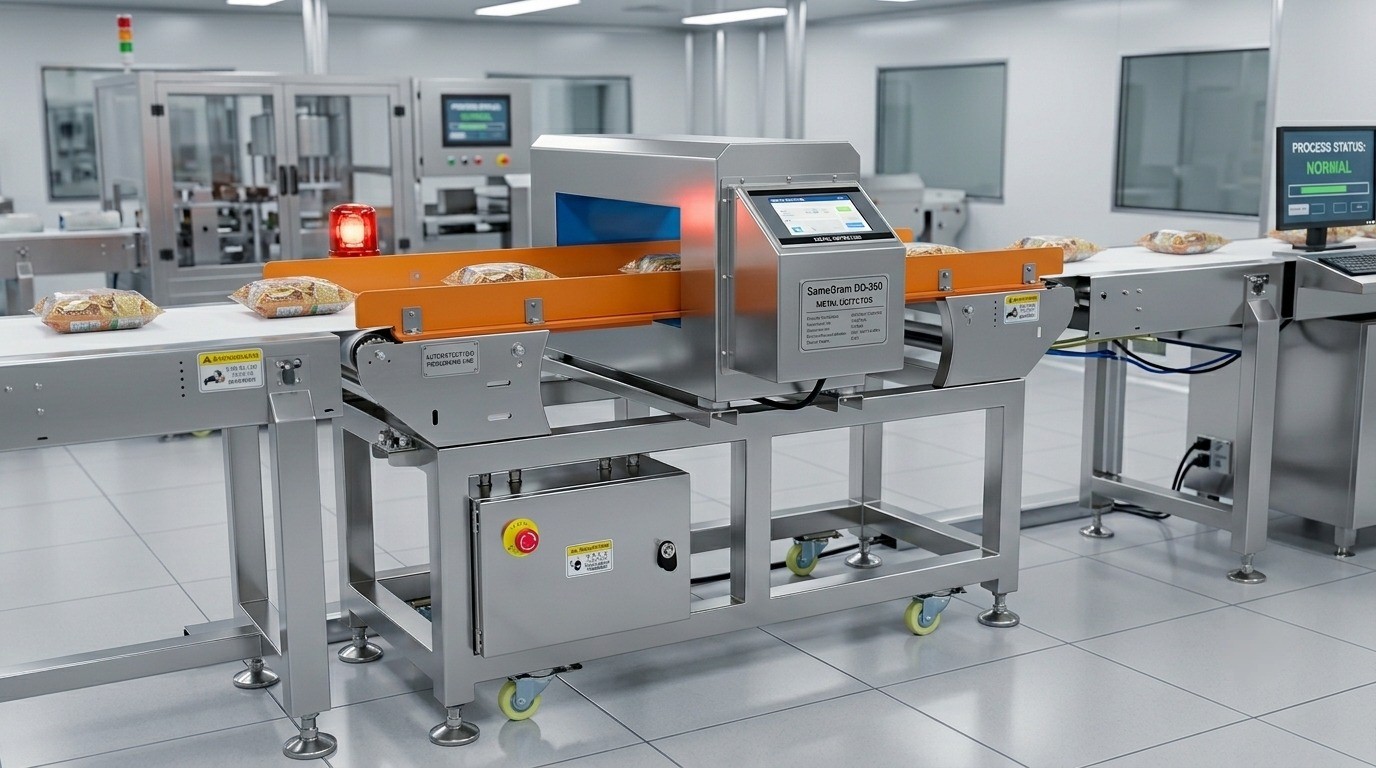
Therefore, metal foreign object detectors (referred to as "metal detectors") have become an indispensable key quality control device at the end of modern production lines. Among numerous brands and models, SameGram's DD-360 series conveyor belt metal foreign object detector, with its superior dual-channel DSP detection technology, food-grade hygiene design, and dual international certifications of CE and RoHS, is becoming the preferred solution for an increasing number of manufacturing enterprises.
This article will provide an in-depth analysis of the technical advantages and certification value of the DD-360 metal detector, as well as how to build a reliable metal foreign object control system for your production line.
1.1 Product Positioning and Scope of Application
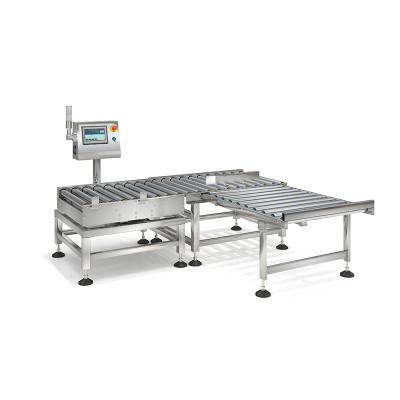
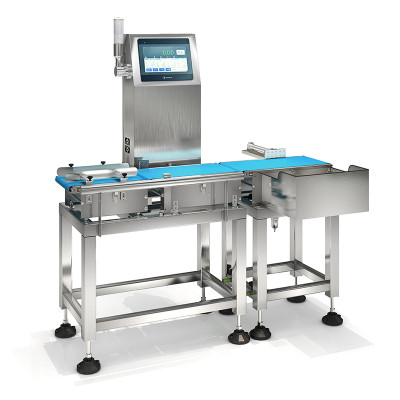
The DD-360 series is a high-performance conveyor belt metal detector designed by SameGram specifically for end-of-line quality inspection. Its standard inspection weight range is 3 to 14 kg, with a maximum inspection speed of 5 pieces per minute (adjustable according to product spacing). It can handle products with a maximum size of 400mm (length) × 400mm (width) × 250mm (height). The overall dimensions of the device are approximately 1400mm × 907mm × 1195mm, and the conveyor belt height is 800mm (±50mm adjustable), allowing for seamless integration with most standard production lines.
This equipment is suitable for detecting foreign metal objects in a wide range of products, including food processing (frozen meat, seafood, baked goods, dairy products, candy, sauces, etc.), pharmaceuticals, textiles, rubber products, and chemical raw materials.
1.2 Dual-channel DSP digital signal processing technology
the DD-360 is based on the advanced balanced coil (three-coil) principle. The transmitting coil generates a high-frequency electromagnetic field within the detection aperture, and the two symmetrically arranged receiving coils maintain balance (zero signal) in the absence of metal. When a metallic foreign object passes through this magnetic field, the electromagnetic balance is broken, and the receiving coils induce a signal change.
Unlike other technologies, the DD-360 employs a dual-channel independent signal processing architecture (CHX and CHY channels), enabling simultaneous analysis of both resistive and inductive components of the detection signal. This technological approach offers three significant advantages:
● Higher detection sensitivity: Especially for metals that are difficult for traditional metal detectors to capture, such as non-magnetic stainless steel (SUS304/SUS316), the DD-360 can achieve reliable detection capabilities.
● Lower false alarm rate for product effects: Dual-channel signal analysis can accurately distinguish between the product's own "material effects" (signals caused by factors such as moisture, salt, and temperature) and signals from real metal foreign objects.
● More stable operating performance: It can maintain consistent detection accuracy under different product temperature and composition changes.
1.3 No-load machine detection sensitivity benchmark
Under no-load testing conditions with the standard DD-360-4010 model (detection aperture 400mm×100mm), the DD-360 can reliably detect the following minimum metal sphere diameters:
● Ferromagnetic metals (Fe): Φ ≥ 0.6mm — the easiest metal type to detect, used as a benchmark.
● Non-ferromagnetic metals (Non-Fe, such as copper, aluminum, and brass): Φ ≥ 0.8mm — approximately 1.3 times the detection diameter of iron.
● Non-magnetic stainless steel (SUS304/316): Φ ≥ 1.2mm — the most difficult type of metal to detect, approximately 2 times the diameter of iron.
It should be noted that the above are the sensitivity values for an empty machine. In actual product testing, sensitivity is affected by multiple factors such as product characteristics (moisture content, salinity, temperature, packaging material), the shape and orientation of foreign objects, and the installation environment. Therefore, calibration is required for specific products through an automatic learning program.
1.4 Intelligent Operation and Data Management
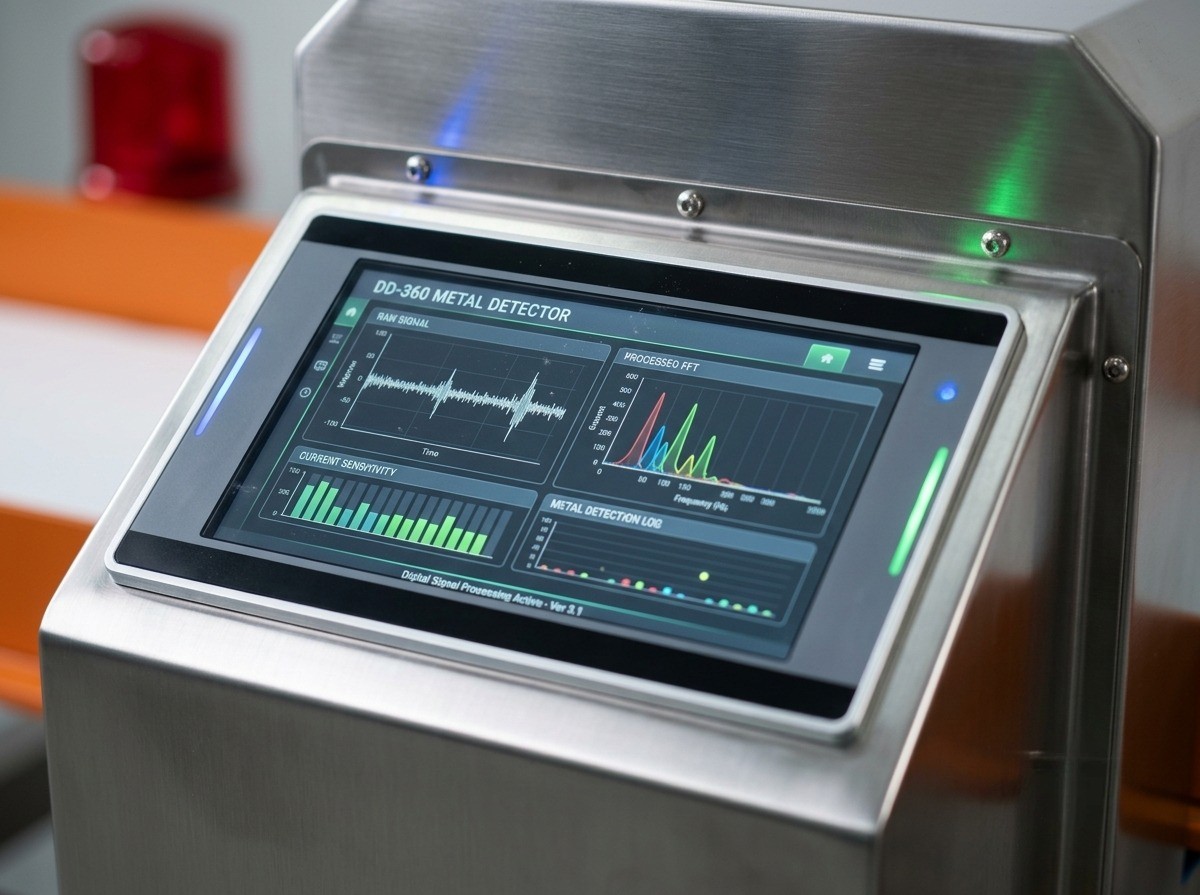
The DD-360 features a 7-inch color touchscreen human-machine interface (HMI) for an intuitive user experience. Its intelligent functions include:
● One-click automatic learning (Auto Setup): After the product passes through the detection head, the system automatically analyzes the material effects of the product within about 12 seconds and calculates the optimal sensitivity, phase and gain parameters, greatly simplifying the new product setup process.
● 200 sets of product formula storage: Each product can independently save a complete set of parameters such as sensitivity, rejection delay/duration, and detection mode, and switch production operations with one click.
● Built-in oscilloscope interface: Real-time visual display of CHX/CHY signal strength, facilitating technicians to diagnose equipment status and troubleshoot faults.
● Three-level password access control: Differentiate between operator, engineer and factory administrator permissions to prevent unauthorized parameter modification.
● USB data export: Detection alarm records and product switching history can be exported to a USB flash drive, meeting HACCP traceability requirements.
II. CE Certification: A Quality Passport for Market Access in the European Union
For any industrial equipment sold in the international market, CE certification is not only a regulatory requirement, but also an authoritative endorsement of product quality and safety. The DD-360 series has passed comprehensive testing and certification by Shenzhen BKC-Lab Testing Co., Ltd. (Certificate No.: BKC26052579EC, Report Date: June 4, 2026), covering the following core directives and harmonized standards:
2.1 Electromagnetic compatibility (EMC) – Directive 2014/30/EU
Metal detectors are essentially highly sensitive electromagnetic field detection instruments, making their electromagnetic compatibility (EMC) design crucial. The DD-360 has passed comprehensive testing according to EN IEC 61326-1:2021 standard (Electromagnetic compatibility requirements for electrical equipment for measuring, control, and laboratory use). This means:
● The DD-360 will not interfere with the normal operation of other equipment on the production line due to its own electromagnetic radiation.
● The DD-360 can maintain stable detection even in industrial environments with reasonable electromagnetic interference, and will not frequently generate false alarms.
● The equipment has sufficient immunity to external electromagnetic interference to ensure reliable detection.
2.2 Safety of Machinery (MD) – Directive 2006/42/EC
The DD-360 underwent a rigorous mechanical safety assessment according to the following standards:
● EN ISO 12100:2010 — Safety of machinery — Risk assessment and risk reduction. Comprehensively identify all potential hazards in the design, installation, operation, and maintenance phases of equipment and implement appropriate protective measures.
● EN 60204-1:2018+A1:2025 — General requirements for electrical equipment. Ensure the safe design of electrical systems, including overload protection, emergency stop function, and insulation protection.
● EN ISO 13849-1:2023 — Safety-related components of control systems. Verify the safe behavior of control systems under fault conditions to ensure that personal injury is not caused by control failure.
2.3 Low Voltage Safety (LVD) – Directive 2014/35/EU
The DD-360 's electrical safety design complies with EN 61010-1:2010+A1:2019 standards, covering key indicators such as insulation withstand voltage, grounding continuity, and leakage current protection. The equipment requires a grounding impedance of less than 100Ω, uses a soft copper grounding wire with a diameter of not less than 1.6mm, and it is recommended to install a residual current device (RCD/residual current circuit breaker) in humid environments.
2.4 EU New Machinery Regulation (EU) 2023/1230
Notably, the DD-360 has taken the lead in completing the compliance assessment for the latest EU Machinery Regulation (EU) 2023/1230. This regulation, published in 2023, will gradually replace the current Machinery Directive 2006/42/EC. SameGram's proactive approach to achieving compliance with the new regulation demonstrates its forward-looking emphasis on product safety standards and provides assurance for its customers' future compliant sales in the European market.
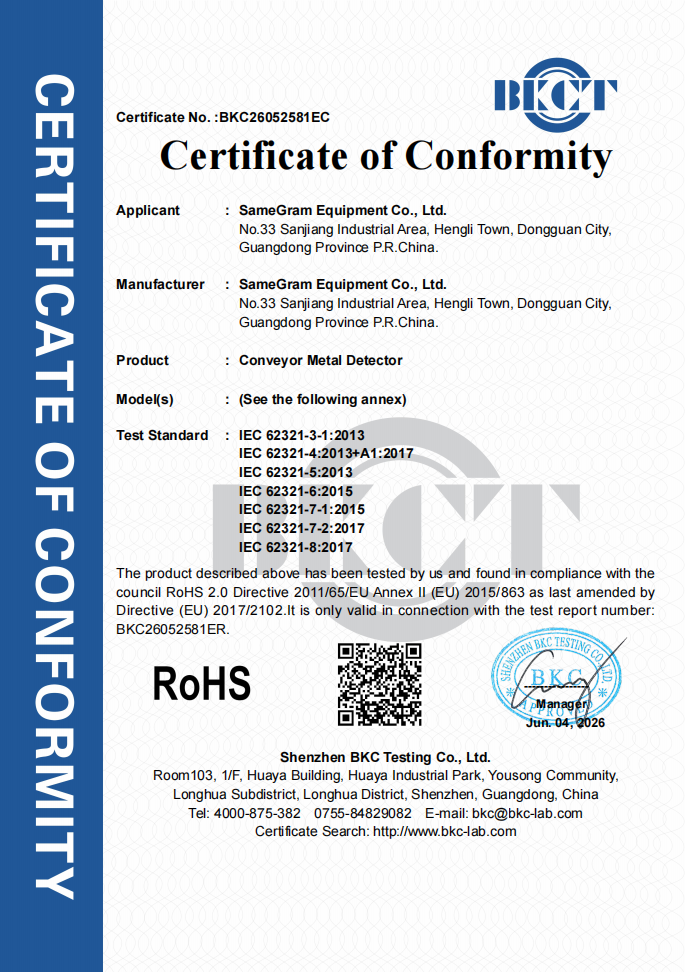
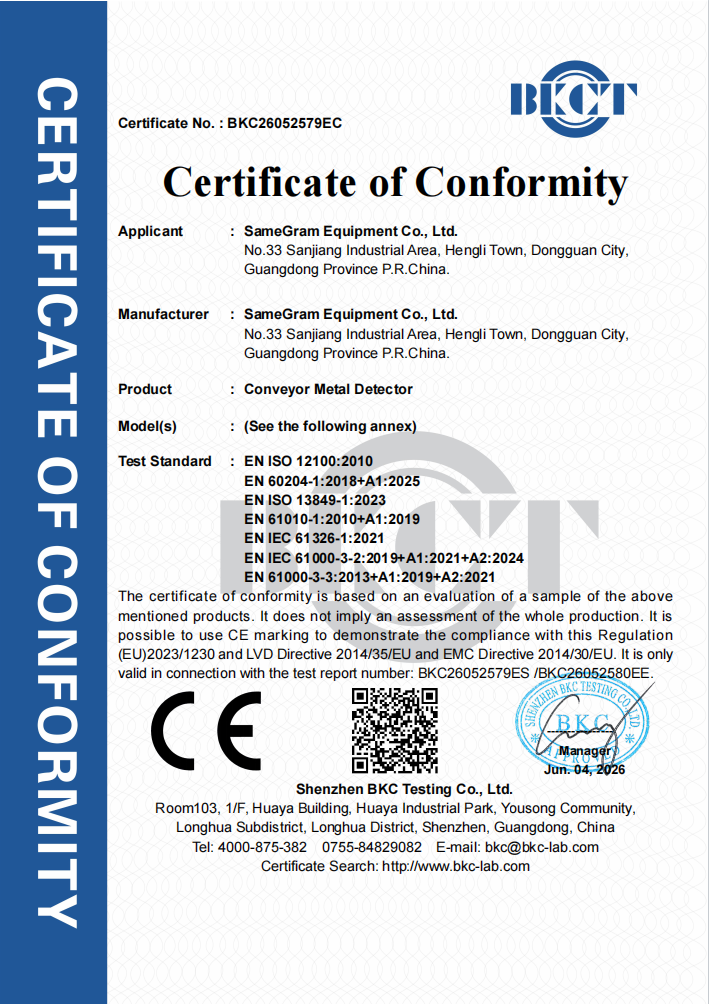
RoHS (Restriction of Hazardous Substances, 2011/65/EU and its amendment (EU) 2015/863) is the EU's mandatory standard for restricting the use of hazardous substances in electrical and electronic equipment. The DD-360 series has passed RoHS compliance testing (certificate number: BKC26052581EC), confirming that the content of the following ten restricted substances is below the prescribed limits:
| Limited materials | Limit (mg/kg) | Test methods | ||
Lead (Pb) | ≤ 1000 | IEC 62321-5 / ICP-OES | ||
Cadmium (Cd) | ≤ 100 | IEC 62321-5 / ICP-OES | ||
Mercury (Hg) | ≤ 1000 | IEC 62321-4 / ICP-OES | ||
Hexavalent chromium (Cr6+) | ≤ 1000 | IEC 62321-7-2 / UV-Vis | ||
| Polybrominated biphenyls (PBBs) | ≤ 1000 | IEC 62321-6 / GC-MS | ||
| Polybrominated diphenyl ethers (PBDE) | ≤ 1000 | IEC 62321-6 / GC-MS | ||
| DEHP, BBP, DBP, DIBP | ≤ 1000 | IEC 62321-8 / GC-MS | ||
RoHS compliance is significant beyond simply meeting EU regulations. For customers in the food and pharmaceutical industries, RoHS certification means that no hazardous substances were used in the manufacturing process of the DD-360 , and the equipment itself will not be a source of secondary contamination of the products. This certification also reflects SameGram's corporate responsibility in environmental protection and sustainable development.
In the HACCP (Hazard Analysis and Critical Control Points) system, the detection of foreign metal objects is explicitly listed as a Critical Control Point (CCP). The DD-360 series provides complete tool support for HACCP compliance:
● Routine verification testing: Using certified standard test pieces for ferrous, non-ferrous, and stainless steel, the detection sensitivity is verified daily before and after operation to ensure that the equipment is always under control.
● Automatic detection event logging: Each metal detection alarm is recorded with a timestamp, which can be queried directly on the touch screen or exported via USB, forming a complete audit trail chain.
● Product switchover history tracking: All product formula switchover operations are automatically recorded to ensure the integrity of batch traceability.
● Password protection configuration: Through three-level access control, it prevents operators from accidentally or maliciously modifying key detection parameters and ensures the controlled status of CCP.
V. Food-grade hygienic design: SUS304 stainless steel and detachable conveyor belt
For the food and pharmaceutical industries, the hygienic design of equipment directly impacts product quality and compliance audit results. The DD-360 was designed with hygiene requirements fully in mind from the outset.
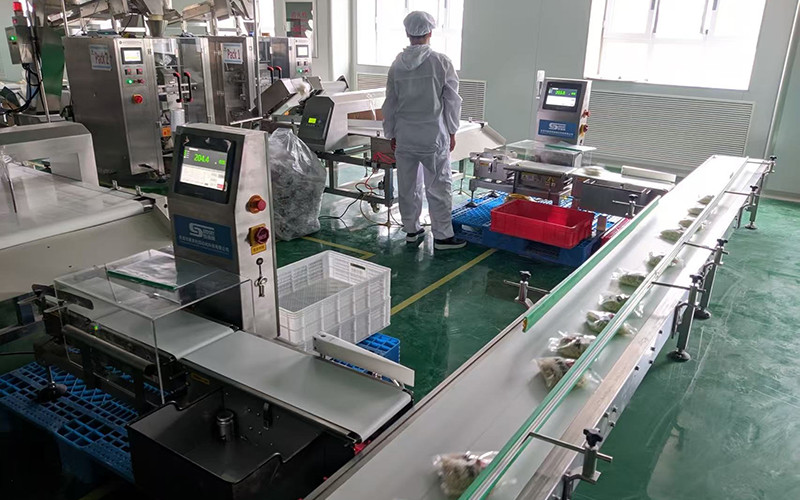
● The entire machine is made of SUS304 stainless steel: it has excellent corrosion resistance, a smooth surface that does not easily attract dirt, and is easy to clean and disinfect.
● Food-grade PU conveyor belt: Meets food contact material safety standards, can be quickly disassembled and cleaned on both sides, completely eliminating hygiene dead corners.
● Open structure design: The space under the conveyor belt is unobstructed, facilitating daily cleaning and inspection. Both the drive belt and timing belt are easily visually inspected for wear.
● IP54 protection rating: The control panel is dustproof and waterproof, and can meet the daily rinsing needs of humid production environments.
VI. DD-360 Multi-Aperture Model: Precisely Matches Your Product Line
The DD-360 series offers a variety of detection aperture configurations to accommodate different product sizes and sensitivity requirements. Detection sensitivity is inversely proportional to aperture size—the smaller the aperture, the higher the sensitivity. Therefore, it is recommended to select the smallest aperture model that accommodates your largest product size for optimal detection performance.
| Model | Aperture W×H (mm) | Iron sensitivity (Fe) | Stainless steel sensitivity (SUS) |
| DD- 360-3008 | 300 × 80 | Fe Φ ≥ 1.5mm | SUS Φ ≥ 2.5mm |
| DD- 360-3012 | 300 × 120 | Fe Φ ≥ 2.0mm | SUS Φ ≥ 3.0mm |
DD- 360-4010 | 400 × 100 | Fe Φ ≥ 2.5mm | SUS Φ ≥ 3.5mm |
DD- 360-5010 | 500 × 100 | Fe Φ ≥ 3.0mm | SUS Φ ≥ 4.0mm |
DD- 360-5030 | 500 × 300 | Fe Φ ≥ 4.0mm | SUS Φ ≥ 5.0mm |
| DD- 360-6050 | 600 × 500 | Fe Φ ≥ 5.0mm | SUS Φ ≥ 7.0mm |
VII. The Real Value of CE and RoHS Certification to Your Company
7.1 Regulatory permits for exporting to the EU market
For any industrial equipment sold to the EU and the European Economic Area, the CE marking is a mandatory market access requirement. The DD-360 's completed CE certification covers the EMC, MD, and LVD directives, as well as the latest Machinery Regulation (EU) 2023/1230. This means that after purchasing the DD-360, you do not need to spend several months and high costs on separate compliance certifications and can directly deploy it on the production line of export products.
7.2 Strong Evidence from Client Audits
When your clients (especially large international retailers and brands) conduct supplier quality audits, whether the equipment used on the production line has international certifications is a crucial audit item. DD-360 's CE and RoHS certifications can be submitted directly to the auditors as part of the quality management system, significantly simplifying the audit process.
7.3 Risk Avoidance and Legal Compliance
In a global environment of increasingly stringent food safety regulations, companies must prove they have exercised reasonable care in the event of product contamination. Using internationally certified metal detectors and adhering to HACCP standards for routine verification testing and record keeping are crucial components of any legal defense system.
7.4 Brand Value Enhancement
RoHS compliance demonstrates a company's commitment to environmental responsibility. In today's world where ESG (Environmental, Social, and Governance) investment principles are widely accepted, choosing equipment suppliers that meet environmental standards helps enhance your brand image in the eyes of end consumers and investors.
VIII. Key Points for DD-360 Installation and Maintenance
8.1 Installation Environment Requirements
● Temperature: 0°C to 40°C (operating temperature range -10°C to 45°C), avoid direct sunlight and close-range radiation from heating equipment.
● Humidity: 30%-85% RH, non-condensing.
● Power supply: AC 220-240V±10%, single phase, 50/60Hz, requires independent circuit power supply, keep away from noise sources such as large motors and frequency converters.
● Vibration: Keep away from vibration sources such as crushers and presses; the ground must be stable and flat.
● Metal interference: There must be no large moving metal objects (forklifts, metal carts, etc.) around the detector head.
8.2 Preheating and Calibration
The DD-360 requires a warm-up period of at least 30 minutes to allow the electronic components to reach a thermally stable state before testing can begin. For scenarios with significant ambient temperature variations (such as powering on in the early morning during winter), the warm-up time should be extended appropriately, and a sensitivity verification test should be performed after the warm-up period is complete.
8.3 Routine Maintenance Recommendations
● Daily: Before starting work, perform visual inspection, cleanliness inspection, conveyor belt condition inspection, and sensitivity verification (Fe, Non-Fe, SUS standard test pieces). After work, remove the conveyor belt and clean both sides.
● Weekly: Remove the conveyor belt to check for end face wear, check the smoothness of the conveyor belt operation, clean the inside of the test holes, and check the electrical connections and grounding status (impedance <100Ω).
● Cleaning guidelines: Use only soft plastic brushes or cloths with neutral detergents; metal brushes, steel wool, organic solvents (thinners, benzene, acetone, etc.) and high-pressure water guns are strictly prohibited.
IX. Frequently Asked Questions
Q1: Can the DD-360 detect non-metallic foreign objects (such as glass, stones, and plastic)?
No. Metal detectors work on the principle of electromagnetic induction and only respond to conductive metals. For comprehensive detection of non-metallic foreign objects, an X-ray detection system can be considered.
Q2: Why does the detection sensitivity decrease after frozen food is thawed?
The conductivity (product effect) of frozen products is much lower than that of thawed products. As the product temperature rises, the activity of moisture increases, the product effect intensifies, and the detection sensitivity decreases accordingly. It is recommended to perform automatic learning calibration at the actual product detection temperature and maintain product temperature stability.
Q3: Can filamentous fragments (such as brush bristles or sieve fragments) be detected?
The detection of fine, filamentous metal fragments is highly dependent on their orientation as they pass through the detection area. Even if the fragment is long, it may fail to trigger detection if its cross-sectional diameter is extremely small and it passes through in the most unfavorable direction. Precautions are recommended upstream (regularly inspect and replace screens and brushes) and that the product be passed through in multiple directions during validation testing.
Q4: Do operators need to remove metal ornaments?
Yes. Metal jewelry such as rings, watches, and bracelets can interfere with the electromagnetic field of the detector, potentially causing false alarms or masking the true foreign object signal. All operators must remove metal jewelry before approaching the equipment.
Conclusion: Choose DD-360 to safeguard the quality of your products.
In an era of increasingly stringent industrial automation and food safety regulations, a reliable and fully certified metal detector is no longer just an optional quality control tool, but a strategic investment for a company's survival and development. The SameGram DD-360 series conveyor belt metal foreign object detector, with its advanced dual-channel DSP detection technology, intelligent operating experience, comprehensive CE and RoHS international certifications, and thoughtful HACCP compliance support, builds a robust defense against metal foreign objects for food, pharmaceutical, and industrial manufacturing companies.
We deeply understand that every metal detector represents the reputation of our company and the safety of our consumers. Therefore, SameGram not only provides the equipment, but also offers comprehensive lifecycle services, from selection consultation and installation to operation training and after-sales support.
For more technical details about the DD-360 series, to request a copy of the certification certificate, or to schedule a live demonstration, please contact us through the following methods:
SameGram Equipment Co., Ltd.
Address: No. 33, Sanjiang Industrial Zone, Hengli Town, Dongguan City, Guangdong Province, China
Website: www.samegram.com
Email: sale@samegram.com
WhatsApp: +86 137 1236 8272
Hot-Sale Metal Detector
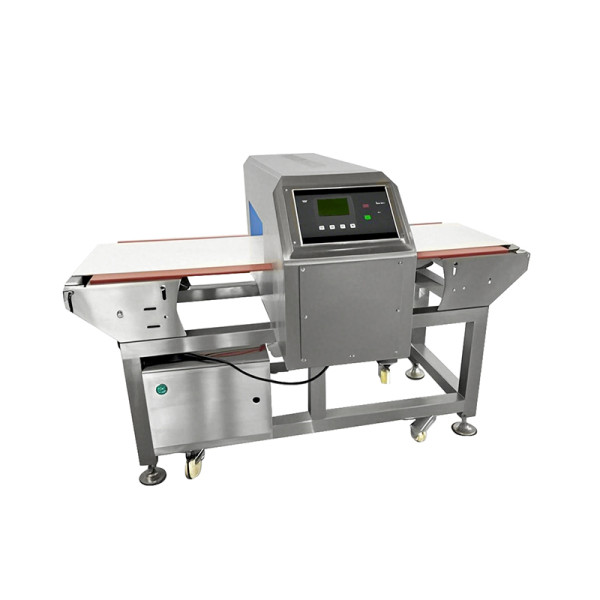
DD-720 is a belt conveyor metal detector with unmatched sensitivity, ideal for food and pharma.
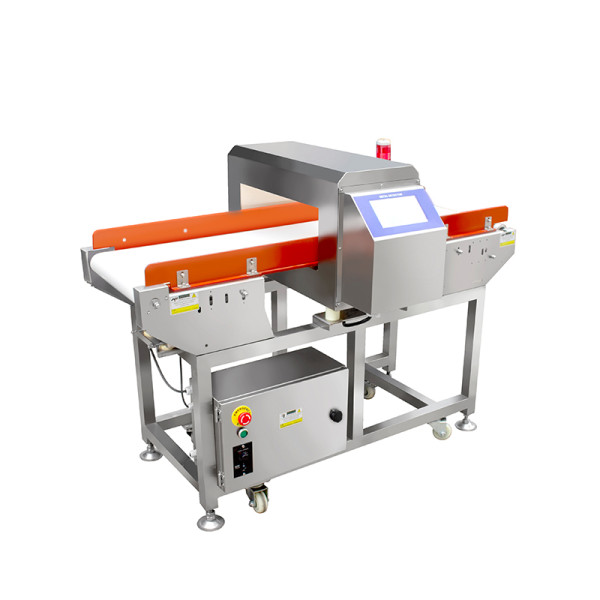
DD-500 Series is an advanced conveyor belt metal detector using smart touch-screen control. Ideal for food production and other
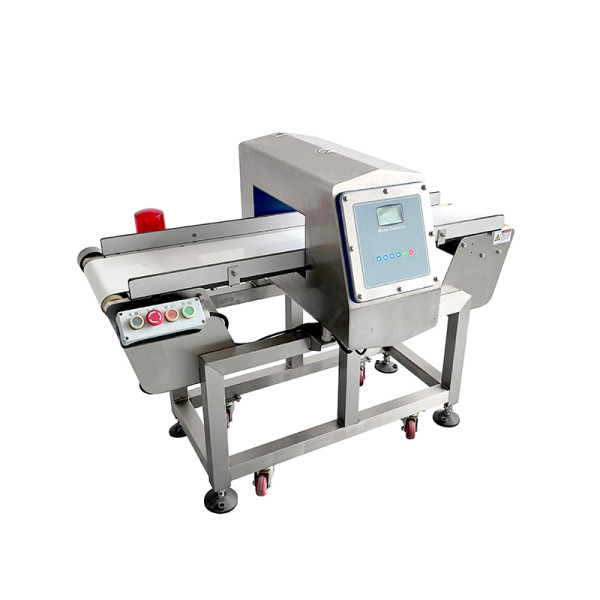
Customizable metal detector for conveyor belt with dual frequency, high sensitivity, and strong anti-interference.
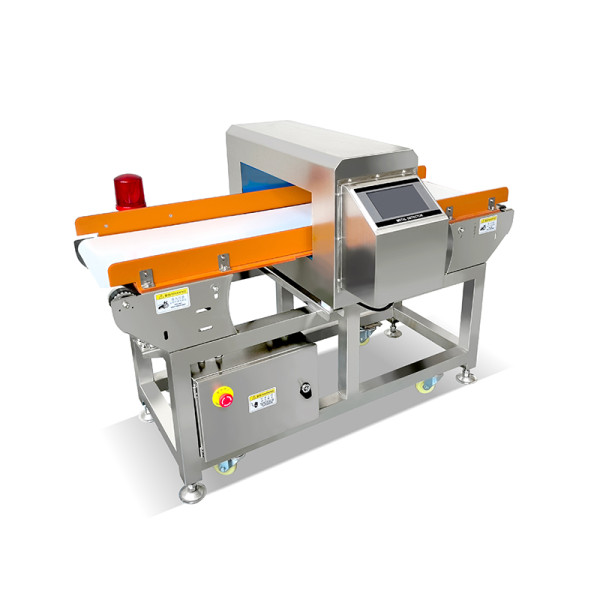
DD-360 Series is a food-grade metal detector conveyor system. Ideal for food industry and food production lines.
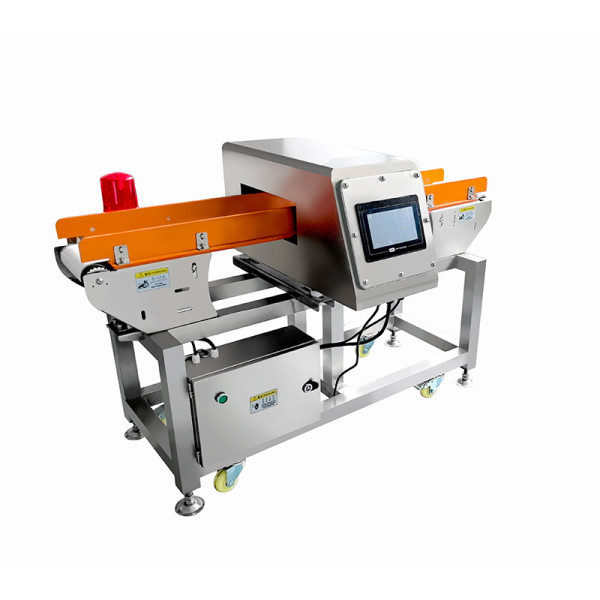
DD-220 is a food conveyor metal detector designed for aluminum foil packaging,with high sensitivity and easy integration.