

Weight Sorting Machine vs. Optical & Size Grading
Weight Sorting Machines: The Key to Precision in Automated Production
By the SameGram Engineering Team
In the modern food processing and manufacturing industries, consistency isn't just a goal—it is the definition of quality. Whether you are processing frozen seafood, poultry, or fresh produce, the difference between profit and loss often comes down to a fraction of a gram.
While there are various ways to categorize products—by size, color, or shape—the Weight Sorting Machine stands out as the ultimate solution for standardized portion control and yield optimization.
At SameGram, we specialize in high-precision weighing and sorting solutions. In this guide, we will explore how weight-based sorting works, how it compares to optical or size-based methods, and why integrating a SameGram system into your production line is the smartest investment for your facility.
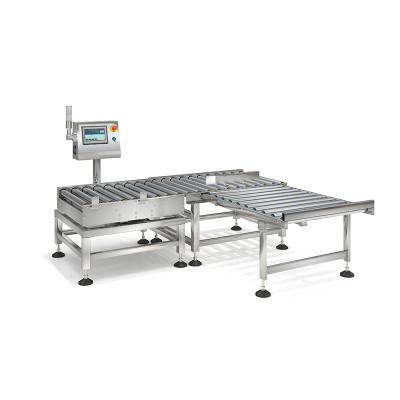
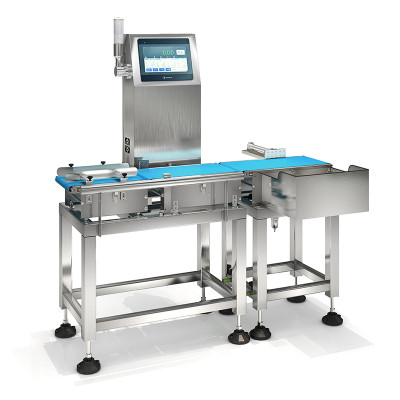
A Weight Sorting Machine (often called a weight grader or automatic weight sorter) is an industrial system with automatic checkweigher designed to categorize individual products based strictly on their mass. Unlike manual sorting, which is prone to human error and fatigue, these machines operate with relentless accuracy and speed.
The Workflow: How It Works
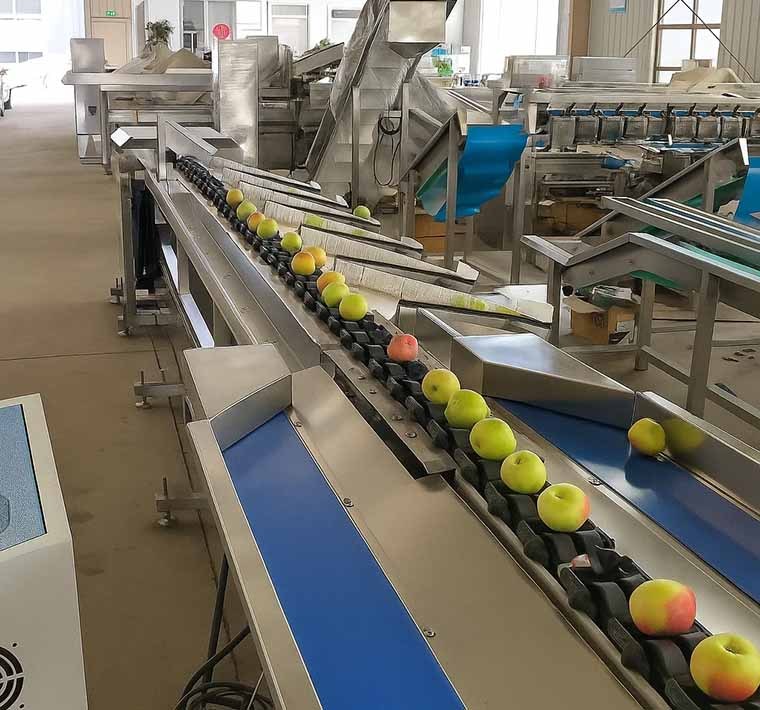
To understand the value of weight grader, we must look at its operational flow. A typical SameGram weight sorting system follows four critical stages:
1. Product Conveying & Spacing:
Products are fed onto the line. Our smart acceleration belts ensure items are properly spaced before they reach the weighing section, preventing overlap errors.
2. Dynamic Weighing:
As the product passes over the high-precision weigh deck, high-speed load cells capture the mass instantly without stopping the conveyor. This is "dynamic weighing" at its finest.
3. Data Processing:
The central control unit (often an industrial PLC) processes the weight signal, filters out noise (like vibrations), and assigns the product to a specific grade or category based on pre-set parameters.
4. Sorting & Action:
The system activates a rejection or sorting mechanism—such as a flipper, air jet, or drop-down belt—to divert the product into the correct bin, or allow it to pass through to the next equipment (e.g., packaging, automatic checkweigher).
Weight-Based Sorting vs. Other Methods: A Critical Comparison
When designing a production line, engineers often debate between Weight-Based, Optical, and Size-Based sorting. While optical and size sorting have their place (primarily for aesthetics), they fall short when mass is the currency of your trade.
Here is why Weight-Based Sorting is the superior choice for portion control:
1. Weight vs. Optical Sorting
Optical sorting uses cameras and sensors to detect color, blemishes, or shapes. It is excellent for removing a bruised apple or a discolored piece of plastic. However, optical systems ignore mass. A visually perfect fruit might have a hollow center or low water content, making it lighter than it looks.
● The Weight Advantage: Weight sorting ignores the "looks" and focuses on the substance. It guarantees that a "500g pack" actually contains 500g of product, regardless of color or shape.
2. Weight vs. Size/Geometry Sorting
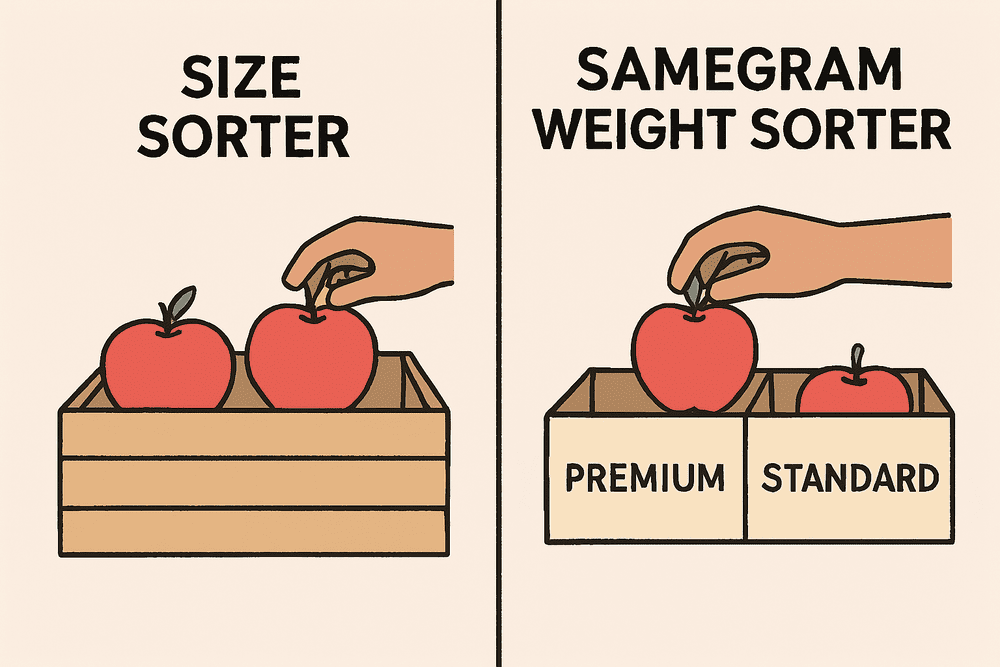
Size-based sorting uses mechanical gaps, rollers, or lasers to measure dimensions (length/width).
● The Problem: Nature is inconsistent. Two pieces of chicken breast can have the exact same length and width but significantly different weights due to thickness or muscle density. Relying on size often leads to "giveaway"—giving the customer more product than they paid for to ensure you don't sell underweight packages.
● The Weight Advantage: A Weight Sorting Machine measures mass directly. This reduces giveaway significantly, often paying for itself within the first year of operation.
Summary Table: Which Technology Fits?
| Feature | Weight Sorting (SameGram) | Optical Sorting | Size/Geometry Sorting |
| Primary Metric | Mass / Grams | Color / Defects | Dimensions / Volume |
| Portion Control | Excellent | Poor | Low to Medium |
| Density Handling | Accurate regardless of density | N/A | Fails with variable density |
Defect Detection | No | Excellent | Low |
| Throughput | High (Up to 300m/min) | High | Medium |
Seamless Integration into Automated Production Lines
One of the most frequent questions we receive at SameGram is: "How hard is it to add this to my existing automated production line?"
The answer is: Seamlessly.
Modern manufacturing demands interconnectivity. A standalone machine is good, but an integrated system is powerful. SameGram’s Weight Sorting Machines are designed to act as the "brain" of your packaging line.
Key Integration Benefits:
● Upstream and Downstream Communication: Our weight graders can signal upstream processing equipment (like slicers or injectors) to adjust if product weights are drifting out of spec. Similarly, they can feed precise batches to downstream packaging machines.
● Data-Driven Decisions: With built-in data logging, our weight grader systems provide real-time reports on yield, average weight, and throughput. This helps production managers identify bottlenecks instantly.
● Reduced Labor: By automating the grading process, you remove the need for 4-6 manual laborers per shift. Manual weighing is slow and prone to fatigue; our machines maintain peak speed (90-300+ meter/min) 24/7.
● Space Efficiency: We offer compact designs, such as our SWS-4523L2-C6 Waterproof Multistage Weight Sorting Machine, which provides multi-bin sorting without dominating your floor plan.
Why SameGram? The Reliable Choice for Industry Professionals
At SameGram, we don't just assemble parts; we engineer solutions. We understand that in industries like Seafood, Meat, and Fresh Produce, the environment is harsh. Water, salt, and extreme temperatures are the enemies of electronics.
1. Built for Harsh Environments
Generic sorters fail in wet environments. SameGram food grading equipment is engineered with high-grade stainless steel and feature waterproof designs (IP65/IP66 rated). Whether you are sorting wet fish or marinated poultry, our seafood weight sorting machines are designed for easy washdown and hygiene compliance.
● Check out our specialized model: SWS-5012L2-C6 Automatic Multistage Weight Sorting Machine for Seafood.
2. Versatility and Customization
We know that sorting a whole frozen fish is different from sorting delicate fruit trays. That is why we offer specialized configurations:
● Belt Sorters: For robust items like frozen meat blocks or packaged goods.
● Tray-Based Sorters: Ideal for fresh fish or delicate fruits that shouldn't be dropped. See our SWSR-750TC6 Tray-Based Food/Fish Weight Sorting Machine.
3. Factory Direct Expertise
When you work with SameGram, you are dealing directly with the food grading equipment manufacturer. Our factory capabilities ensure that every load cell is calibrated to strict standards and every conveyor is tested for longevity.
Industry Applications: Where Weight Sorting Matters Most
Our clients span across the globe, utilizing Weight Sorting Machines to revolutionize their processing efficiency.
Seafood Processing
Seafood is often sold by weight grade (e.g., 4-6 oz fillets vs. 6-8 oz). A SameGram sorter ensures high-value catch isn't sold at lower-grade prices. The waterproof nature of our seafood weight sorting equipment makes it the industry standard for this sector.
Poultry and Meat
In meat processing, "fixed-weight packaging" is crucial for retail. Our food grading equipment can rapidly group chicken breasts, wings, or steaks into batches that meet exact tray weights, minimizing giveaway to nearly zero.
Agricultural Produce
From sorting potatoes to grading expensive tropical fruits, weight sorting ensures uniformity for supermarkets. While optical sorters handle the "beauty" of the fruit, SameGram ensures the "value."
Frequently Asked Questions (FAQ)
Q: Can a Weight Sorting Machine handle frozen products?
A: Yes. SameGram machines are designed to handle both fresh and frozen products. For frozen items, we use specific heavy-duty belts and rejectors that can handle the hard impact of frozen goods.
Q: How accurate are these machines?
A: Precision is our priority. Depending on the product and speed, SameGram machines can achieve accuracy as tight as ±0.3g to 2g. This level of precision is unattainable by manual sorting.
Q: Is it difficult to change product settings?
A: Not at all. Our user-friendly interface allows operators to switch "recipes" (product presets) in seconds. You can switch from sorting 100g fillets to 500g whole fish with a few taps on the screen.
Ready to Optimize Your Production?
Stop giving away profit through over-portioning and start automating for efficiency. A SameGram Weight Sorting Machine is not just an expense; it is a profit-generating asset that ensures quality and consistency every single day.
Whether you need a standard checkweigher or a complex multi-stage grading system, our engineering team is ready to design the perfect solution for your line.
Hot-Sale Weight Sorting Machine
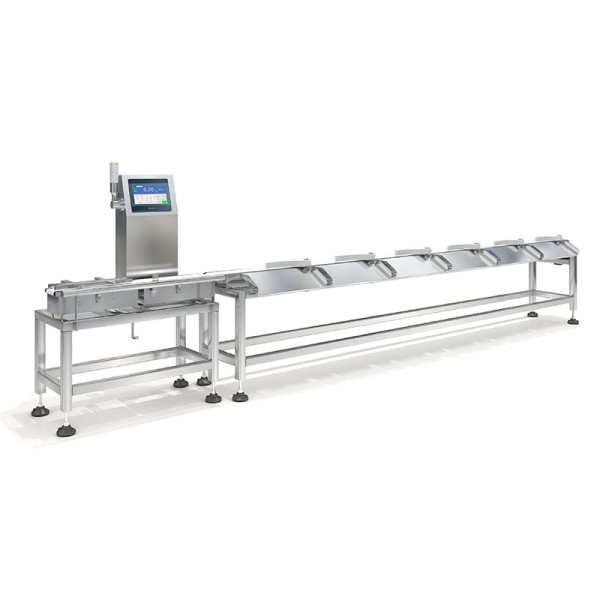
Six-arm weight sorter ensures precise, hygienic food-grade sorting with waterproof protection for fish, poultry, and seafood.
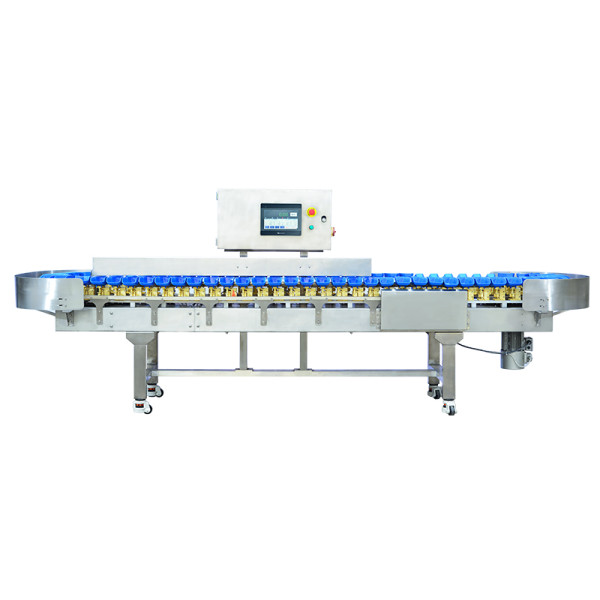
Tray weight sorter with IP65 waterproof, gentle handling, multi-level grading, and hygienic fast sorting for fish and seafood.
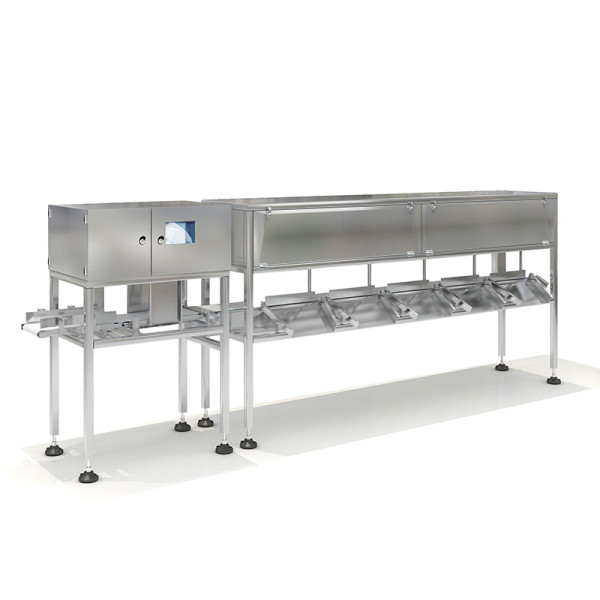
Dual-layer design with top motor provides waterproofing, precise sorting, and hygienic food-grade operation for fish and shrimp