
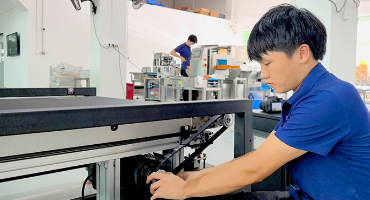


Weight Sorting Machine: Optimize Agriculture Produce Sorting
In the high-stakes world of modern agriculture and food processing, the transition from the field to the market is where the real value is created. Agriculture produce sorting is no longer just about removing dirt; it is about precision, standardization, and maximizing the market potential of every single harvest. For producers of fruits, vegetables, and even specialty grains, the most critical tool in this transformation is the weight sorting machine.
At SameGram, we understand that every gram counts. Whether you are dealing with the delicate skin of a premium mango or the high-volume requirements of potato processing, our advanced weight sorting technology ensures that your produce meets the rigorous standards of global markets.
The core of post-harvest success lies in establishing an objective, quantifiable quality standard system. A weight sorting machine serves as the backbone of this fruit grading machine by ensuring product consistency and quality control.
1. Achieving Product Specification Consistency
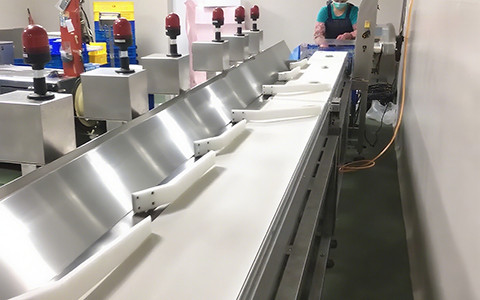
Uniformity is the hallmark of a premium brand. Through high-precision dynamic weighing sensors and PLC control systems, a weight sorter can grade produce into 6 to 20 distinct weight levels. For instance, in an apple packing facility, the weight grading machine automatically categorizes fruit into grades like "Premium," "Grade A," or "Standard" based on precise weight thresholds. Industry data indicates that adopting automated weight sorting can increase the qualified product rate by over 20%.
2. Precise Removal of Defective Products
Weight is often a proxy for internal quality. A weight sorting machine can be programmed with an "automatic rejection" function to divert products that fall below a minimum weight threshold. This is particularly effective for crops like potatoes or tomatoes, where an underweight unit often indicates internal hollowness, underdevelopment, or pest damage. Implementing this step can reduce overall post-harvest losses by approximately 30%.
3. Compliance with Food Safety Standards
To maintain the highest levels of hygiene, professional sorting equipment must be built for the food environment. SameGram automated harvest sorting machines are typically constructed from 304 stainless steel, meeting international food-grade standards and eliminating the risk of secondary contamination often associated with manual handling.
How it Works: The Five Pillars of a Seamless Sorting Process
To solve the practical challenges of a busy processing plant, the weight sorting machine must operate with flawless logic. The workflow of agriculture produce sorting is designed for speed and accuracy:
1. Product Conveying: The journey begins with stable feeding. Whether through bucket elevators or roller conveyors, the produce is introduced to the line. SameGram’s designs emphasize "gentle handling," using independent tray or belt designs to prevent bruising on delicate fruits.
2. Dynamic Weighing: As the produce moves at high speed, it passes over a highly sensitive dynamic weighing sensor. This is the "brain" of the operation, capturing the weight of each individual item in milliseconds without stopping the flow.
3. Data Processing & Grading: The PLC (Programmable Logic Controller) interprets the weight data instantly, comparing it against pre-set customer parameters (e.g., 200g-250g).
4. Sorting or Rejecting: Based on the data, the fruit grading machine activates a pneumatic pusher, a flipper, or a drop-gate. Compliant products are sorted into their specific grade channels, while defective or underweight items are accurately rejected.
5. Outfeeding & Downstream Integration: The graded produce is then moved via conveyor to the next stage, such as automated bagging, labeling, or tray packing.
Strategic Advantages: Integrating Weight Sorters into Automated Lines
The true power of a Weight Sorting Machine is realized when it is fully integrated into an automated production line. This integration transforms a standalone task into a continuous, high-efficiency “Harvest-Transport-Sort” flow.
Massive Gains in Labor Productivity
One of the most immediate problems solved by automation is the labor shortage. A single SameGram automated harvest sorting machine can process between 7,200 and 18,000 units per hour, effectively replacing 8 to 15 skilled workers. While human fatigue leads to an error rate of 5%-8%, an automated system brings that misjudgment rate down to less than 0.1%.
Full Lifecycle Cost Efficiency
While the initial investment in high-precision equipment is significant, the marginal costs decrease rapidly over time. The operating cost of a weight sorter is typically only 1/3 to 1/4 of human labor costs. Especially during peak harvest seasons for crops like tomatoes or citrus, automation can shorten post-harvest processing time by more than 50%, significantly reducing rot and spoilage.
Flexible Production Switching
Modern agriculture requires agility. A processor might sort apples in the morning and oranges in the afternoon. With SameGram’s intelligent touch-screen interfaces, operators can switch sorting parameters and weight intervals in less than 15 minutes, allowing for rapid response to different variety or seasonal requirements.
SameGram Product Spotlight: Professional Engineering Design
When vegetable weight sorter comes to optimizing harvest sorting for fruits, vegetables, and grains, weight sorting machines play a pivotal role in standardizing quality and enhancing market value. Let's break automated harvest sorting down by produce type.
For fruits like apples, oranges, or mangoes, weight is a direct indicator of ripeness and quality. Our fruit grading machine can divide them into multiple grades – from premium export-quality large fruits to smaller ones suited for juicing. This not only meets diverse market demands but also boosts your revenue through premium pricing. Industry insights show that precise grading can increase product value by up to 20-30%, as seen in our client case studies where sorted fruits fetched higher prices in supermarkets.
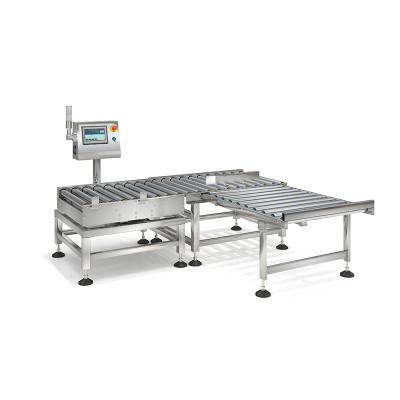
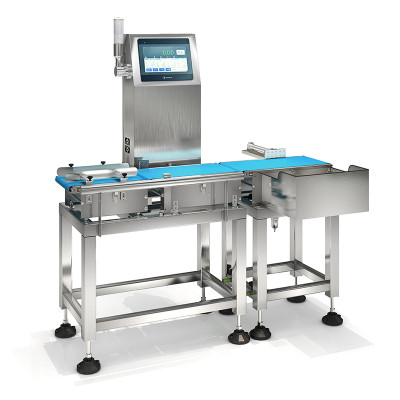
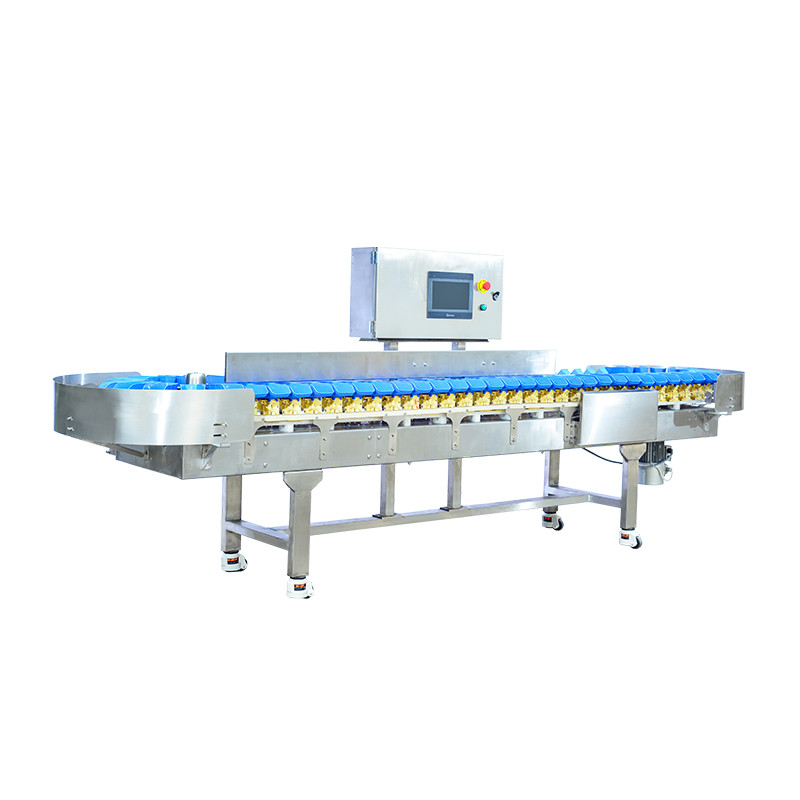
Vegetables, especially root crops like potatoes or tomatoes, benefit from defect detection. The vegetable weight sorter identifies underweight items that might signal disease or poor growth, automatically ejecting them to prevent contamination. This is particularly useful in large-scale farming, where manual inspection could miss subtle issues, leading to higher spoilage rates. By integrating our Tray-Based Food Weight Grading Machine SWSR-750TC6, you can handle delicate veggies with minimal bruising, cutting losses by around 30%.
For produce that is irregularly shaped or highly sensitive to impact—like mangoes or avocados—the tray-based system is the only viable automated solution. The independent tray design ensures a damage rate of less than 1%.
Best for: Soft fruits, expensive exotic produce, and fragile vegetables.
Categories: Weight Sorting Machine
Trademark/Brand: SameGram
Model: SWSR-750TC6
Weighing range: 1-2000g
Sorting speed: 1-300m/min
Weighing accuracy: ±0.3-2g
Tray size: 145×70×50mm
Applicable product size: L≤100mm; W≤65mm
Sorting port number: 6-20 grades customizable


Market Value: Turning Grades into Profits
The most important economic value of a weight sorting machine is its ability to facilitate a differentiated pricing strategy. By precisely grading your harvest, you can cover multiple market segments simultaneously:
● Export Markets: Meet the strict requirements of international buyers who demand narrow weight windows (e.g., 200g-250g per unit).
● E-commerce Channels: Provide standardized small packages (e.g., 500g ± 5g) that build consumer trust and reduce complaints about inconsistent sizing.
● Processing Clients: Supply uniform sizes to industrial kitchens or factories, where consistent dimensions are required for automated slicing and peeling.
Research suggests that this grading strategy can improve product premiums by 15%-20%, with graded apples often selling for 30% more than ungraded ones.
Data Integration: The Brain of the Modern Farm
In the era of Industry 4.0, a weight sorting machine is more than just a scale; it is a critical production data node.
● Real-time Feedback: Our systems can provide weight feedback to upstream packaging controllers, dynamically adjusting fill amounts to save on raw material costs.
● Quality Traceability: With built-in communication interfaces (RS485/Ethernet), SameGram weight grading machines transmit data to MES or ERP systems, supporting "one product, one code" traceability requirements.
● Decision Support: Statistical reports on qualified product rates and standard deviations provide essential data for yield forecasting and harvest maturity judgments.
Choosing the Right Solution for Your Harvest
When selecting a weight sorting machine, agriculture engineers and farm owners should focus on three key metrics: Sorting Precision (±g grade), Processing Capacity (units/hour), and Ease of Maintenance.
At SameGram, we have spent years perfecting the balance between high-speed performance and the gentle handling required for agriculture produce sorting. Our commitment to using 304 stainless steel and intuitive PLC controls means our machines are built for the reality of the farm and the processing plant—durable, easy to clean, and incredibly precise.
Whether you are a medium-sized farm looking to enter the export market or a large-scale processor seeking to optimize your automated line, SameGram has the expertise to help you succeed.
Ready to optimize your harvest sorting?
Conclusion of Weight Sorting Solution
The evolution of the weight sorting machine has moved beyond simple "weighing and classifying" to become a comprehensive engineering solution that integrates quality standardization, market value discovery, and data-driven production. By investing in SameGram technology, you are not just buying a machine; you are building the infrastructure for a modern, standardized, and highly profitable agricultural future. With an investment recovery period typically under two years, the question isn't whether you can afford to automate—it's whether you can afford not to.
Hot-Sale Weight Sorting Machine
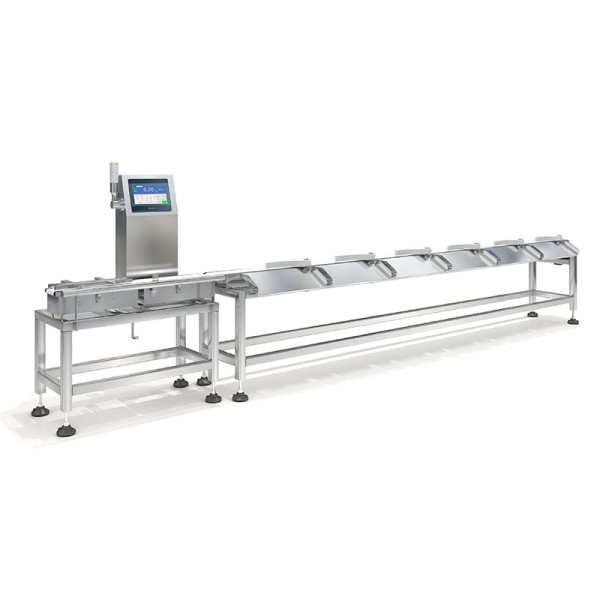
Six-arm weight sorter ensures precise, hygienic food-grade sorting with waterproof protection for fish, poultry, and seafood.
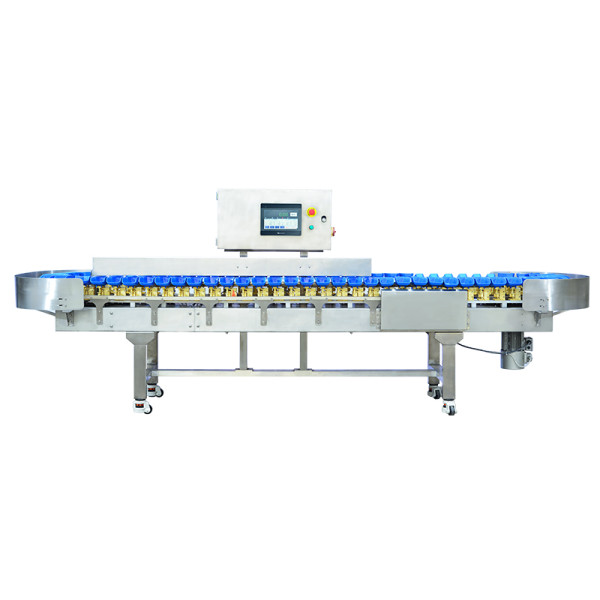
Tray weight sorter with IP65 waterproof, gentle handling, multi-level grading, and hygienic fast sorting for fish and seafood.
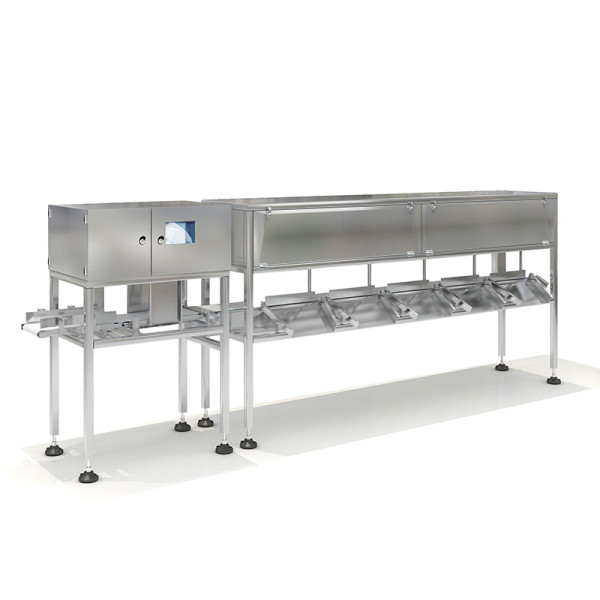
Dual-layer design with top motor provides waterproofing, precise sorting, and hygienic food-grade operation for fish and shrimp