
Weight Sorting Machine Basics: A Comprehensive Guide
In today's fast-paced manufacturing world, precision and efficiency are everything. If you're in the food processing, agriculture, or even logistics sectors, you've likely heard about weight sorting machines. These devices are game-changers for ensuring product consistency, reducing waste, and streamlining operations. But what exactly are they, and how can they fit into your business? This guide dives deep into the basics of weight sorting machines, drawing from real-world applications and expert insights to help you understand their value. As a leader in this field, SameGram specializes in high-precision weight sorting solutions that integrate seamlessly into automated production lines. Whether you're new to the concept or looking to upgrade, we'll cover everything from how they work to why they're essential for modern businesses.
At SameGram, we've been at the forefront of industrial smart checkweighing for over 16 years. Our team of engineers and technicians crafts customized systems that not only meet but exceed industry standards. If you're curious about our story, check out our About Us for more on how we make check weighing easier and more reliable.
What is a Weight Sorting Machine?
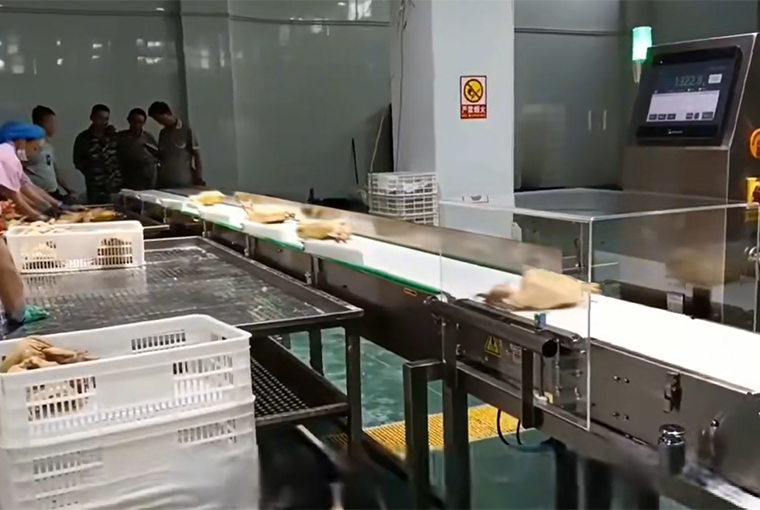
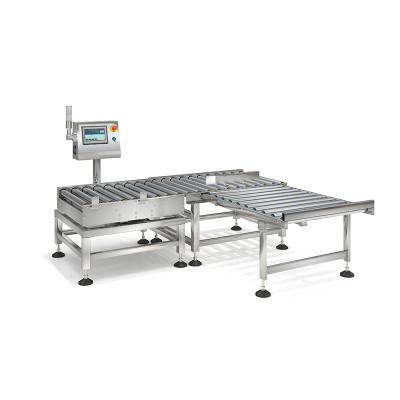
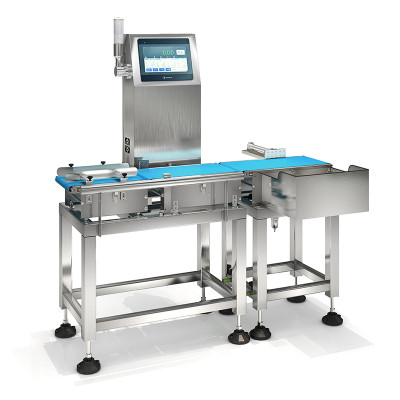
A weight sorting machine, often called a weight grader or automatic weight sorter, is an automated system that classifies products based on their weight. It's designed to separate items into different categories or grades, ensuring uniformity in packaging, quality control, and distribution. Unlike manual sorting, which is prone to errors and time-consuming, these machines use advanced sensors and conveyors to handle high volumes with pinpoint accuracy.
Think of it this way: in a busy food processing plant, products like fish fillets or chicken portions vary in size and weight naturally. A weight sorting machine steps in to group them—say, into small, medium, and large categories—making sure each batch meets specific requirements. This isn't just about organization; it's about compliance with regulations, minimizing giveaway (overfilling packages), and boosting profitability.
At SameGram, our weight sorting machines stand out for their durability and precision. Built with 304 stainless steel and IP65-rated waterproofing, they're perfect for harsh environments like seafood processing. For instance, our seafood sorting machine models can achieve accuracies as fine as ±0.3g, handling weights from 1g to 2000g at speeds up to 90m/min. This level of performance comes from our in-house R&D, backed by multiple patents and a modern 4,000-square-meter factory equipped with CNC machining and rigorous quality checks. Explore our Factory Overview to see how we ensure every machine is built to last.
How Does an Automatic Weight Sorter Work?
Understanding the mechanics behind a weight sorting machine demystifies its efficiency. At its core, the process is straightforward but powered by sophisticated technology.
1. Product Conveyance: Items enter the system via an infeed conveyor, which spaces them out evenly to prevent overlaps or jams. This ensures smooth flow into the weighing stage.
2. Weighing on the Scale Platform: As products move onto the weighing section—a high-precision scale integrated into the conveyor—they're measured in real-time. Sensors, like those from top-tier components in our SameGram machines, detect even minor weight variations instantly.
3. Transport to the Sorting Section: Once weighed, products continue along the conveyor to the classification area. Here, the system uses data from the weigh-in to decide the next step.
4. Rejection or Diversion Mechanism: Based on predefined weight ranges, items are pushed, blown, or diverted to specific exits. For example, underweight products might be rejected, while others are routed to corresponding bins or lines for further processing.
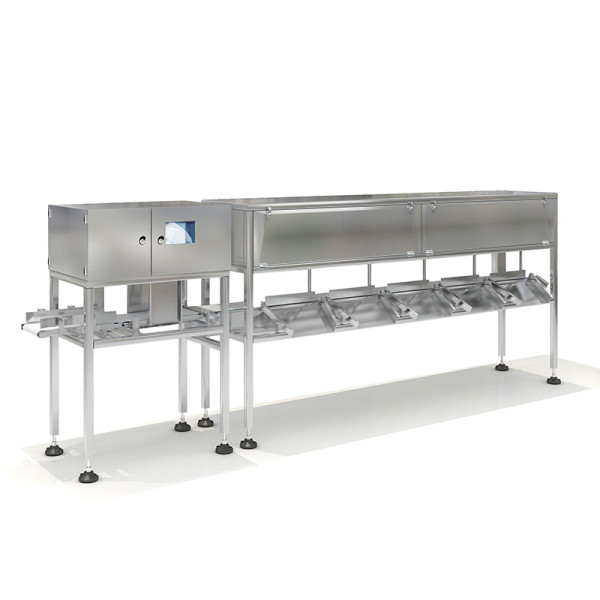
This cycle happens at high speeds, often sorting hundreds of items per minute without halting the line. In SameGram's multistage weight sorting machines, like the SWS-4523L2-C6 Waterproof Multistage Weight Sorting Machine, you can customize up to 20 grading levels food weight sorting with options like soft pushers or air-blow rejection to handle delicate items gently. This flexibility solves common pain points, such as damage to fragile seafood or inconsistent grading in poultry weight grader lines.
The Workflow Integration: From Production to Labeling
Integrating a weight sorting machine into your overall workflow transforms how you handle product production, packing, weighing, and labeling. Let's break it down step by step, focusing on how it fits into automated production lines.
1. Product Infeed and Conveyance: Products enter the machine via an infeed conveyor belt, where they are spaced evenly to avoid overlaps or jams. This initial stage prepares items for accurate handling and maintains a steady flow.
2. Weighing Stage: As products move onto the integrated weighing platform (typically a high-precision load cell or scale), their weight is measured in real-time. Sensors detect variations quickly, often with accuracies down to ±0.1g, depending on the system.
3. Data Processing and Classification: The weight data is analyzed by the control system (e.g., PLC or software), which compares it against predefined weight ranges or thresholds. This determines the product's category, such as underweight, standard, or overweight.
4. Sorting or Rejection Mechanism: Based on the classification, products are diverted using mechanisms like pneumatic pushers, air blasts, flaps, or drop-out conveyors. They are routed to specific outlets, bins, or lines for further processing, packaging, or rejection.
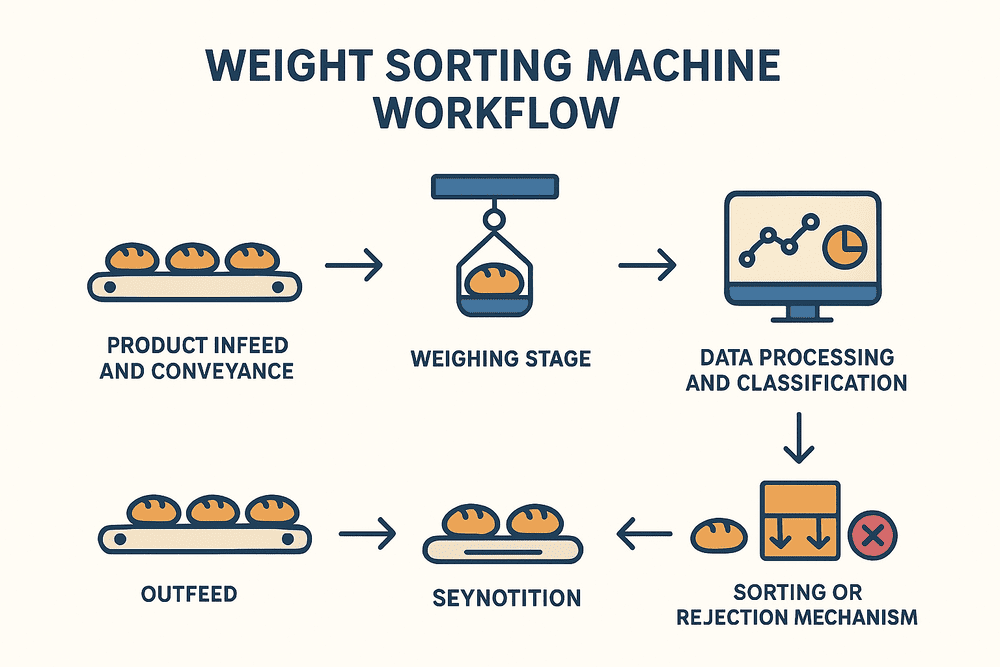
5. Outfeed and Integration: Sorted products exit via designated paths, often integrating with downstream equipment like labelers or packers. The system may log data for traceability, and the cycle repeats continuously for high-throughput operations.
The real magic is in the integration advantages. By embedding a automatic weight sorter into automated lines, you eliminate bottlenecks—manual sorting can slow things down by up to 60%, but our high-speed food weight sorting models triple throughput in cases like poultry processing. Convenience shines through modular designs that adapt to existing setups, with Ethernet connectivity for ERP/MES integration. This means real-time monitoring, data tracking, and quick adjustments without downtime.
Imagine a seafood plant: Wet, slippery fish enter the line, get weighed and sorted into grades, packed into boxes of uniform weight, and labeled—all hands-free. Benefits include labor savings, reduced errors (our ±0.3-2g accuracy minimizes waste), and enhanced hygiene with easy-clean stainless steel. Plus, our seafood sorting machine supports traceability, crucial for recalls or audits. For more on how we tailor these integrations, visit Graded by Weight Solutions Page for more information.
Benefits of Integrating Weight Sorting Machines into Automated Production Lines
Why bother with integration? The payoffs are huge, especially in competitive industries.
1. Efficiency skyrockets. Automated sorting handles large volumes without fatigue, freeing workers for higher-value tasks. In our client stories, like crayfish processing, throughput jumped while labor costs dropped significantly.
2. Quality assurance. Consistent weighing ensures uniformity, building customer trust and reducing returns. Compliance with standards like GMP and ISO becomes effortless, avoiding fines.
3. Cost savings. By minimizing overfill and waste, you save on materials. Data analytics from our machines provides insights into trends, helping optimize recipes or suppliers.
4. Scalability. Modular systems like SameGram's grow with you—add lanes or upgrades as demand rises, without overhauling your setup.
5. Safety and sustainability. Touchless operation cuts injury risks, and energy-efficient designs reduce your carbon footprint. Our sustainable focus includes modular upgrades for longer machine life.
These aren't hypotheticals; over 5,000 SameGram installations worldwide prove it. Dive into our products list to see models like the waterproof SWS-4523L2-C6 Poultry Weight Grader, ideal for food industry challenges.
Applications in Various Industries
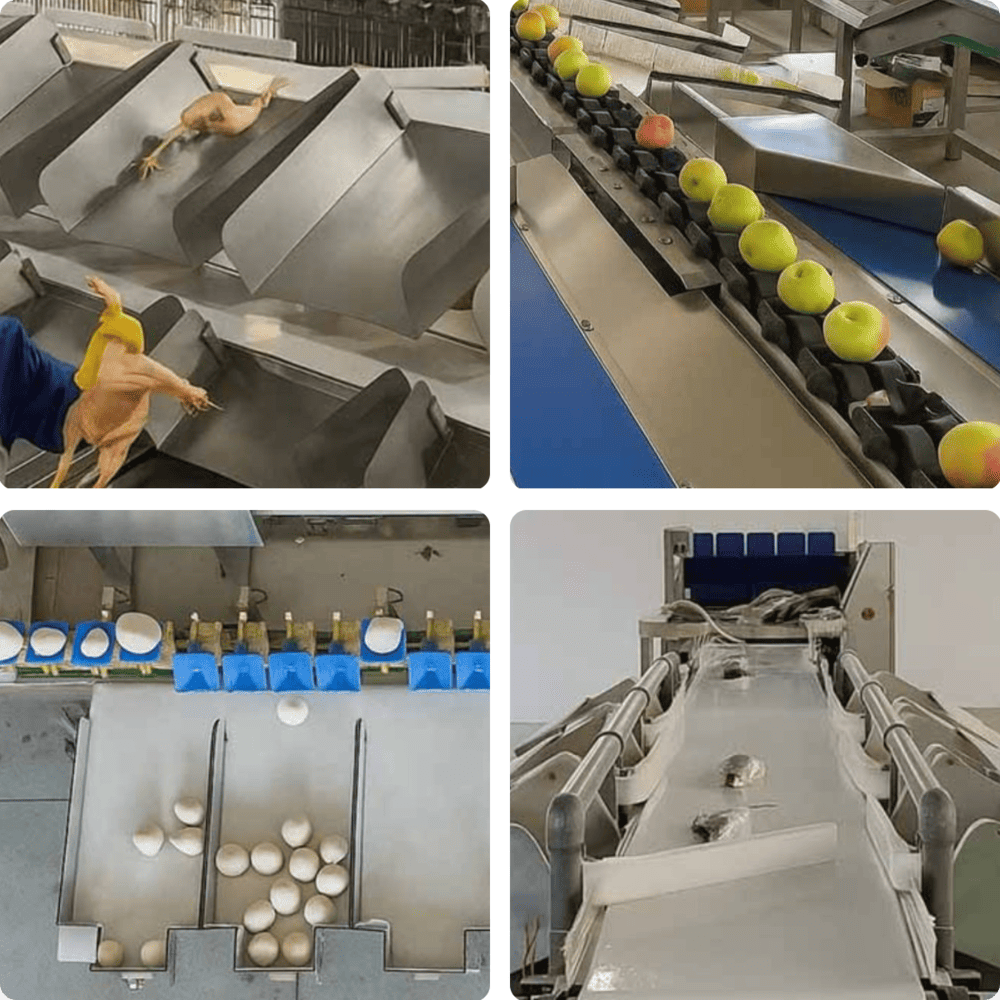
Weight sorting machines aren't one-trick ponies. In the food sector, they're vital for seafood (shrimp, fish), poultry (chicken portions), and fruits/vegetables—ensuring grades meet market demands without bruising.
In pharmaceuticals, precision sorting handles pills or vials, maintaining dosage accuracy. Logistics uses them for parcel grading, while hardware sorts small parts like nuts and bolts.
SameGram excels here with tailored solutions. Our Tray-Based Weight Sorting Machine SWSR-750TC6 gently sorts delicate fish, with speeds up to 300m/min and customizable ports. For sea food food weight sorting, the SWS-5012L2-C6 Poultry Weight Grader offers multistage sorting in wet environments. Check our Weight Sorter for more industry-specific examples.
Choosing the Right Multistage Weight Sorting Machine for Your Business
Selecting a machine isn't overwhelming if you follow these steps:
1. Assess Needs: What products? Volume? Precision? For high-humidity seafood food weight sorting, prioritize waterproofing like our IP65 models.
2. Explore Types: Single-lane for small ops, multistage for complex grading. SameGram offers dual-layer and tray-based options.
3. Evaluate Features: Look for accuracy (±0.3g), speed (90m/min), and integration. Our touchscreens and data export make monitoring easy.
4. Check Build and Maintenance: Durable stainless steel reduces downtime. We provide 12-month warranties and lifetime support.
5. Consider Scalability: Modular designs future-proof your investment.
6. Test and Compare: Request demos—SameGram offers free sample testing.
7. Partner Wisely: Choose experience. With our 16+ years in OEM/ODM, we're your go-to.
For detailed specs, see our product pages like the Waterproof Multistage Weight Sorting Machine SWS-4523L2-C6.
Training and Operation: Getting Your Team Up to Speed
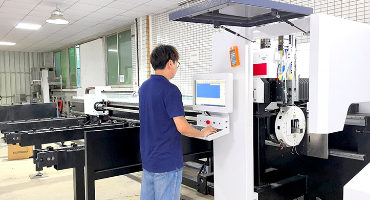
Operating a weight sorting machine requires basic training, but it's straightforward. Start with machine familiarization: components like conveyors, sensors, and panels. Teach calibration, speed adjustments, and weight limit settings.
Safety is key—cover hazards, emergency stops, and electrical safety. Maintenance training includes cleaning, lubrication, and troubleshooting jams or sensor issues.
Software skills involve programming weight ranges, saving presets, and data analysis. For product-specific tips, like handling moist seafood, emphasize gentle settings.
No formal certification is needed, but hands-on sessions ensure proficiency. SameGram provides comprehensive guides and remote support to make the seafood sorting machine operation intuitive.
Why Choose SameGram for Your Weight Sorting Needs?
As a high-tech enterprise with a mission to make weighing smarter, SameGram delivers intelligent, reliable solutions. Our 4,000+ m² factory, stocked with over 200 parts, ensures rapid delivery and customization. With 5,000+ success stories across 60+ countries, we're trusted for precision and innovation.
Ready to elevate your operations? Visit SameGram or explore SWS-5012L2-C6 Automatic Multistage Solutions and SWSR-750TC6 Tray-Based Sorters. Contact Us today for a free consultation—let's sort out your challenges together.
Hot-Sale Weight Sorter
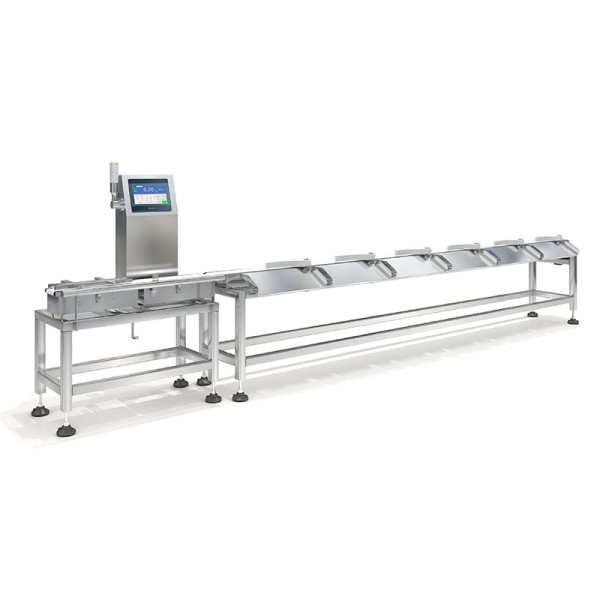
Six-arm weight sorter ensures precise, hygienic food-grade sorting with waterproof protection for fish, poultry, and seafood.
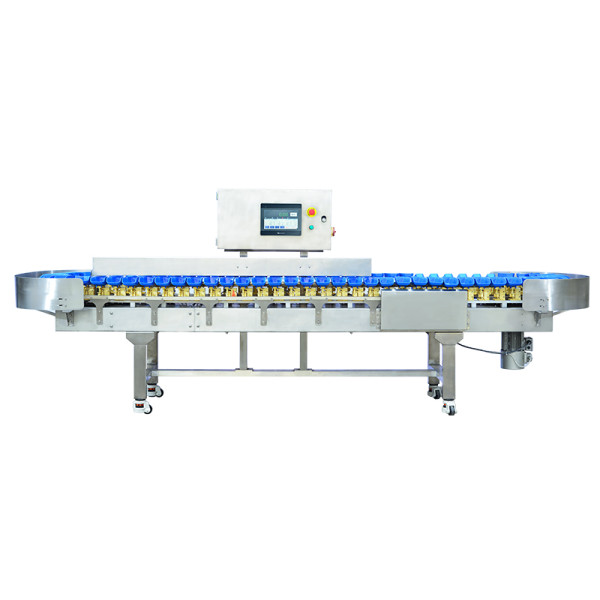
Tray weight sorter with IP65 waterproof, gentle handling, multi-level grading, and hygienic fast sorting for fish and seafood.
Dual-layer design with top motor provides waterproofing, precise sorting, and hygienic food-grade operation for fish and shrimp