

Weight Price Labeler Printing: Thermal Transfer vs. Inkjet | SameGram
In the high-speed world of modern manufacturing and logistics, a Weight Price Labeler is much more than just a scale or a sticker machine. It is the brain and the voice of your packaging line. It accurately measures the weight of a product in motion, calculates the price based on real-time data, and applies a professional label—all in a fraction of a second.
However, a common bottleneck for many facility managers isn't the weighing speed, but the printing technology integrated into the system. Choosing between Thermal Transfer and Digital Inkjet can feel like a technical maze. Should you prioritize the crisp, smudge-proof finish of a ribbon-based system, or the lightning-fast, contactless nature of inkjet?
This guide breaks down everything you need to know to make an informed decision for your production line, featuring the industry-leading standards set by SameGram Industrial Solutions.
1. The Core Function: How a Weight Price Labeler Works
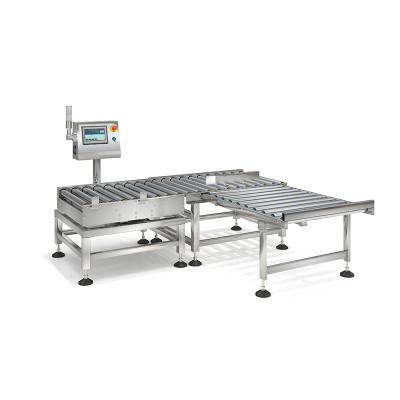
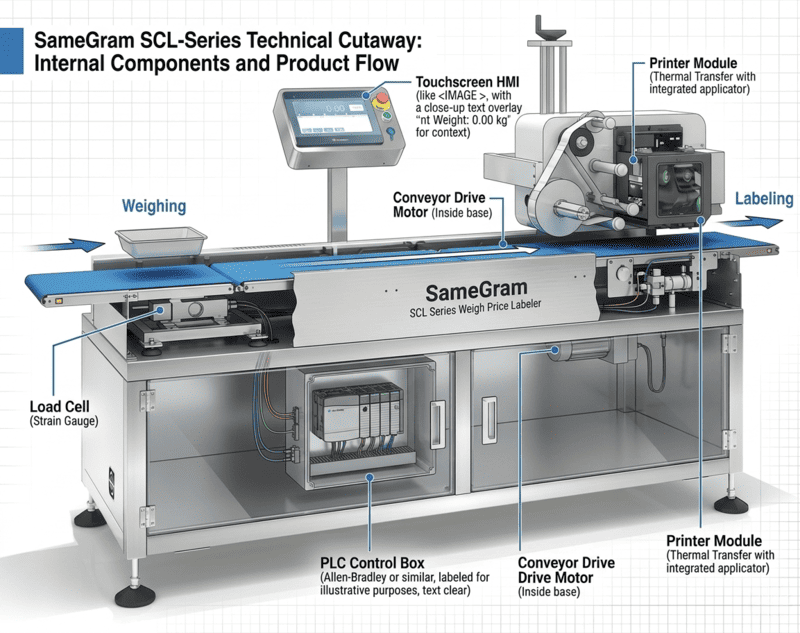
Before diving into the "ink vs. ribbon" debate, it is essential to understand the workflow of an integrated system. A high-performance Weight Price Labeler, such as the SameGram Scanning, Weighing and Labeling Machine SCL-10060L50, performs three critical tasks:
1. Dynamic Weighing: As the product passes over a high-precision load cell, the system captures the weight without stopping the conveyor.
2. Data Processing: The internal software calculates the price or verifies the weight against pre-set parameters (checkweighing).
3. Real-Time Printing & Application: The system triggers the printer to generate a unique barcode, weight, and price, then applies the label via air-blow, piston, or wipe-on methods.
The quality of that third step—printing—determines whether your product is accepted by retailers or rejected due to unreadable barcodes.
2. Thermal Transfer Printing: The Gold Standard for Durability
Thermal Transfer Overprinting (TTO) is a staple in the labeling world. It works by using a heated printhead to melt a wax or resin-based ribbon onto the label surface.
Why Choose Thermal Transfer?
● Superior Print Quality: TTO produces incredibly sharp, high-resolution text and barcodes. For small packages where space is limited—like those handled by the SameGram Custom Labeler for Small Food Packages SCL-7035L5—clarity is non-negotiable.
● Durability: The print is highly resistant to moisture, chemicals, and temperature fluctuations. This makes it the ideal choice for frozen foods, meat processing, and chemical labeling.
● Versatility: It works on a wide variety of label stocks, from standard paper to synthetic films (PP, PE, PET).
The Trade-off
The primary cost in TTO is the ribbon itself. However, for companies that prioritize long-term legibility and retail compliance, the "set it and forget it" reliability of a SameGram-integrated TTO system often outweighs the ribbon cost.
3. Digital Inkjet: Speed and Flexibility
Digital Inkjet (specifically Thermal Inkjet or TIJ) has seen a massive surge in popularity for industrial weighing and labeling systems. Instead of a ribbon, it uses ink cartridges to spray microscopic droplets directly onto the label or the packaging itself.
Why Choose Digital Inkjet?
● Contactless Printing: Because the printhead never touches the label, there is zero wear and tear on the printing mechanism compared to a TTO printhead.
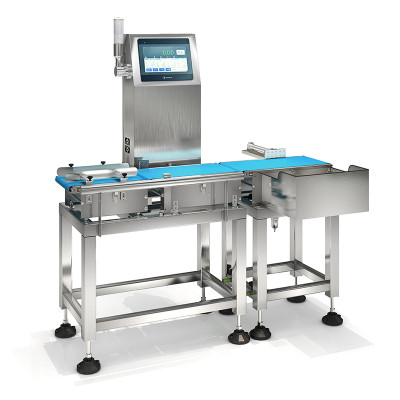
● Low Maintenance: Modern inkjet systems, like those found in the SameGram Inline Weighing & Coding System SCI-4523L3, use a "cartridge-is-the-printhead" design. When you replace the ink, you are essentially getting a brand-new printer.
● Speed: Inkjet is naturally faster for high-volume logistics and carton labeling. For side-labeling applications like the SameGram Automated Weighing and Side Labeling Machine SCL-8050L30, inkjet allows for rapid-fire coding on secondary packaging.
The Trade-off
Inkjet requires porous or specially treated surfaces to "lock in" the ink quickly. If you are printing on glossy plastic without a specialized UV-curable ink, smudging can occur.
4. Head-to-Head Comparison: Which Fits Your Production Line?
To simplify your selection process, let's compare these two titans of the Weight Price Labeler industry across key performance indicators.
| Feature | Thermal Transfer (TTO) | Digital Inkjet (TIJ/CIJ) | ||
Mainstream Print Resolution | 203-300 DPI (up to 600 DPI) | 300-600 DPI (up to 600 DPI) | ||
Surface Compatibility | Paper, Plastic, Foil | Porous paper, Matte card | ||
Durability | Excellent (Smudge/Fade resistant) | Moderate (Dries instantly but can rub) | ||
| Initial Investment | Moderate | Low | ||
| Maintenance | Regular printhead cleaning | Minimal (Cartridge swap) | ||
| Best Application | Fresh Meat, Frozen Food, Cosmetics | Logistics, Cartons, Rapid Coding | ||


Explore our full range of Coding and Labeling Solutions to see how these technologies are integrated into real-world workflows.
5. Integrating the System: The SameGram Engineering Edge
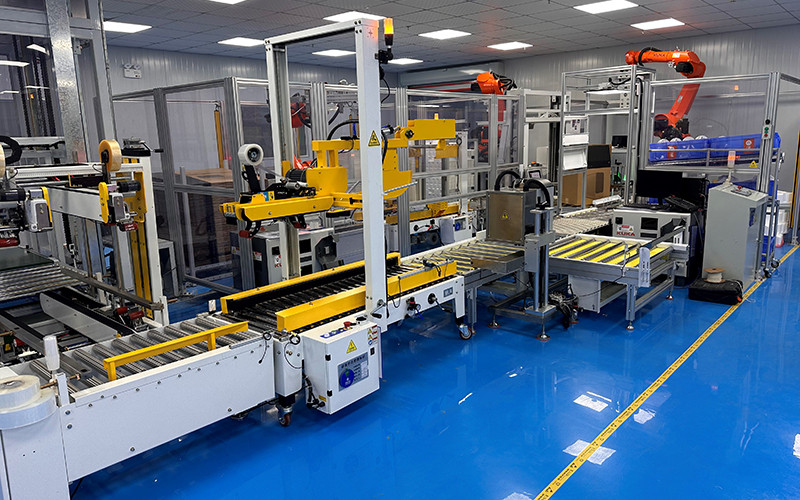
Choosing a technology is only half the battle; the other half is integration. At SameGram, we don't just sell machines; we provide precision-engineered solutions tailored to the specific humidity, temperature, and speed of your facility.
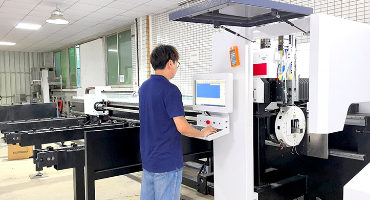
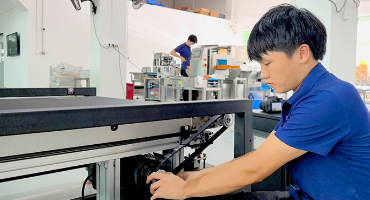
SameGram factory in China utilizes advanced CNC machining and rigorous testing protocols to ensure that every Weight Price Labeler leaving our floor meets global standards for accuracy and reliability.
The SameGram Advantage:
● Modular Design: Our SCL series can be outfitted with either Thermal Transfer or Digital Inkjet modules based on your specific SKU requirements.
● High-Speed Accuracy: Whether it's the Scanning,Weighing and Labeling Machine SCL-10060L50 for large-scale logistics or a compact unit for small food packages, our scales maintain OIML-standard precision at speeds of up to 60-100 pieces per minute.
● Seamless Software: Our systems easily integrate with your existing ERP or WMS, allowing for automated price updates and batch tracking.
6. Real-World Application Cases
Scenario A: The Seafood Processing Plant
In a wet, cold environment, labels must stick to damp surfaces and the ink must not run. For this, we recommend a SameGram Weight Price Labeler with Thermal Transfer technology using a high-resin ribbon. The durability ensures that when the product reaches the supermarket shelf, the barcode is still scannable and the "Use By" date is clear.
Scenario B: High-Volume E-commerce Logistics
When labeling the side of varied carton sizes at high speed, the SameGram SCL-8050L30 with a side-apply Digital Inkjet system is the winner. It handles the throughput of a busy warehouse without the need for frequent ribbon changes, keeping the downtime to an absolute minimum.
7. Maintenance and Longevity: Protecting Your ROI
An industrial printer is an investment. To ensure your Weight Price Labeler has a long service life, consider these maintenance tips:
1. Environment Control: Industrial inkjet thrives in dust-controlled environments, while Thermal Transfer is more resilient to dusty warehouses but requires clean printheads to prevent "dead pixels" in barcodes.
2. Genuine Consumables: Using high-quality ribbons or ink cartridges calibrated for your SameGram system prevents premature wear on the electronic components.
3. Regular Calibration: Dynamic weighing systems should be calibrated weekly to ensure the "Price" part of your "Weight Price Labeler" remains accurate and compliant with trade regulations.
Conclusion: Making the Final Call
The choice between Thermal Transfer and Digital Inkjet boils down to your specific product environment and the label material you use.
● Choose Thermal Transfer for retail-ready food, harsh environments, and the highest possible durability.
● Choose Digital Inkjet for high-speed logistics, ease of maintenance, and lower initial startup costs.
At SameGram, we have spent decades perfecting the harmony between weighing precision and printing clarity. Whether you are looking for a standalone Automatic Weigh Price Labeler or a fully integrated packaging line, our team of experts is ready to help you optimize your production.
About SameGram
SameGram is a leading manufacturer of automated industrial machinery, specializing in high-precision weighing, sorting, and labeling solutions. With a focus on the "Industry 4.0" philosophy, we combine robust mechanical engineering with intelligent software to help businesses worldwide achieve higher efficiency and lower operational costs.
Ready to upgrade your production line?
Visit SameGram or Learn more about our Company History and Contact SameGram to see why global brands trust SameGram for their automation needs.
Hot-Sale Weigh Price Labeler
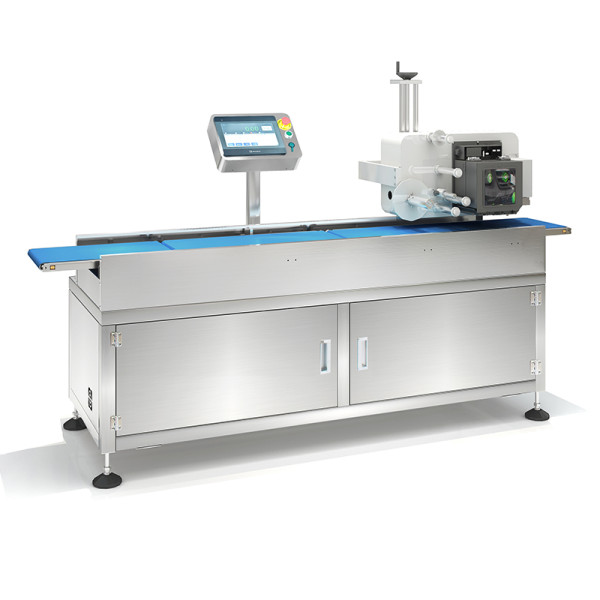
Automatic Weigh Price Labeller with Customizable Labels & Non-Contact Labeling for Small Food Packages
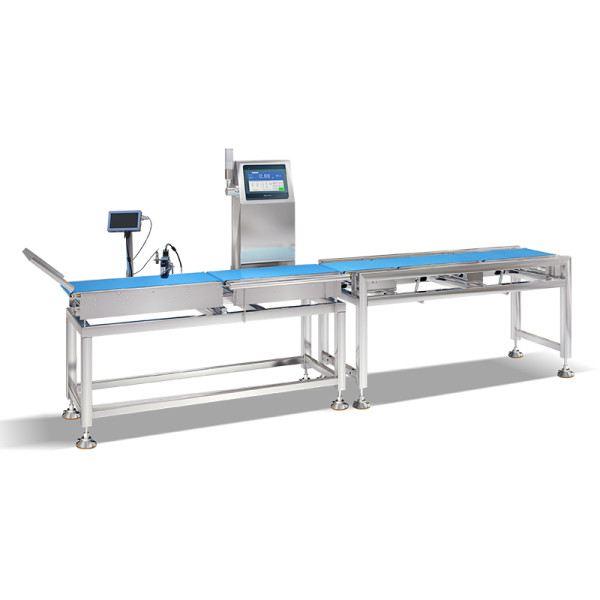
SCI-4523L3 is an automatic checkweigher with an printer that can checkweigh and print serial numbers, batch numbers, QR codes, etc.
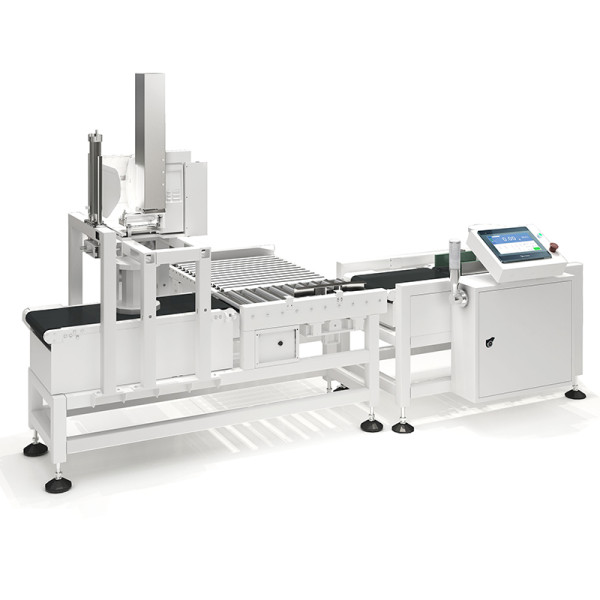
Automatic Scan, Weigh and Label System with Barcode Verification and Adaptive Label Control,Ideal for Enamelled Wire Production
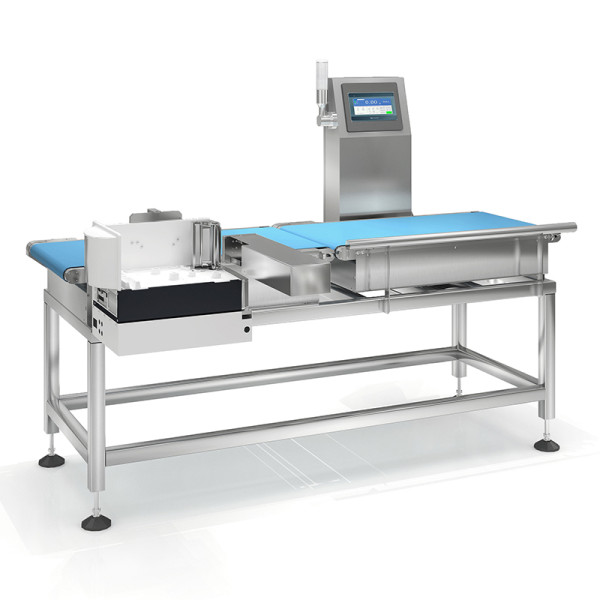
SCL-8050L30 is an advanced weighing and labelling machine with dynamic weighing, label editing, and MES/ERP integration.