
Stainless Steel Checkweigher & SUS316 Weighing System | SameGram
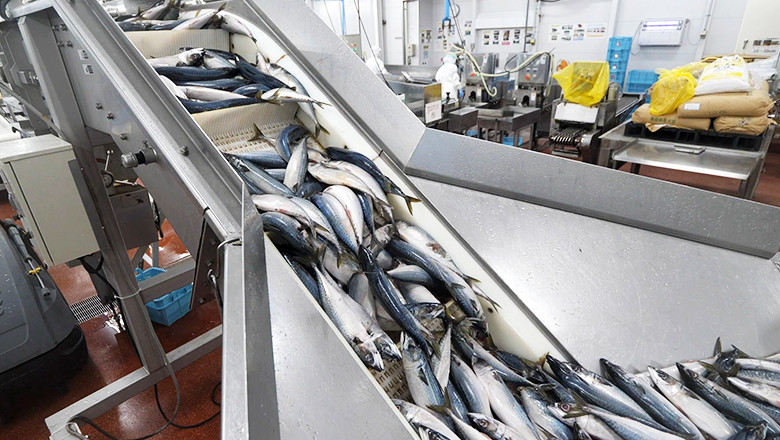
In modern, fast-paced food production plants, floor space is tight, processing speeds are incredibly fast, and sanitization protocols are brutally aggressive. For plant engineers and production supervisors, maintaining consistent throughput while avoiding both legal penalties for underfilled packages and profit loss from overfilled ones is a constant balancing act.
At the center of this challenge sits the inline inspection system. When dealing with harsh ingredients like brine, organic acids, blood, or daily high-pressure chemical washdowns, standard machinery quickly degrades. To protect your capital investment, ensure absolute food safety, and maximize operational efficiency, implementing an advanced stainless steel checkweigher engineered specifically for the food industry is no longer optional—it is a foundational operational requirement.
1. The Core Engineering Challenge: Combating Food Inspection Equipment Corrosion
Food processing facilities present some of the most hostile environments for automated electronics and structural metals. From Meat and Poultry Processing Lines to pickled vegetables and ready-meal packaging, machinery is exposed to chemical compounds that accelerate material degradation. Understanding the root causes of food inspection equipment corrosion is the first step toward long-term equipment reliability.
The Dynamics of Chemical and Organic Degradation
Corrosion on the food factory floor is rarely a slow, uniform process. Instead, it manifests as localized structural attacks driven by the environment itself:
● Chloride Pitting: Salt is ubiquitous in processed food. When chlorine ions from saltwater, brine, or sanitizing agents settle on standard metallic surfaces, they break down the passive protective oxide layer. This causes deep, localized micro-pits that can compromise structural integrity and serve as a harborage for dangerous bacteria like Listeria.
● Organic Acid Attacks: Natural ingredients like citrus juices (citric acid), vinegar (acetic acid), and tomato paste can possess highly corrosive pH levels. Over time, continuous exposure to these acids eats away at low-grade metals, leading to surface roughness and component failure.
● Galvanic and Stress Corrosion: The combination of cyclic mechanical stress (from high-speed belt movements), thermal fluctuations (transitioning from cold processing zones to hot washdown cycles), and the pairing of dissimilar metals accelerates cracks and material fatigue.
To eliminate these failure points, equipment must be designed without flat horizontal surfaces where liquids can pool, without exposed threads where material can build up, and with raw materials that possess inherent chemical resistance.
2. Material Science: Why a True SUS316 Weighing System Matters
When selecting inline inspection machinery, the choice of stainless steel determines whether your asset will last two years or twenty years. While standard industrial equipment often relies on SUS304 stainless steel, severe food processing applications demand a complete, high-specification SUS316 weighing system.
SUS304 vs. SUS316: The Molybdenum Advantage
The fundamental difference between these two grades of stainless steel comes down to chemical composition. SUS316 contains approximately 2% to 3% molybdenum, an alloying element completely absent in SUS304.
| Chemical Feature / Benefit | SUS304 Stainless Steel | SUS316 Stainless Steel | ||
Molybdenum Content | 0% | 2% – 3% | ||
Chloride Pitting Resistance | Moderate (Prone to pitting in brine/salt) | Excellent (Specially engineered for marine/brine) | ||
| Acidic Environment Lifespan | Reduced under prolonged organic acid exposure | High resistance to acetic, citric, and lactic acids | ||
| Long-term Cost Efficiency | Lower upfront cost, high replacement rate | High upfront investment, exceptional ROI | ||
For food manufacturers handling high-sodium foods, seafood, or acidic marinades, utilizing an SUS316 structural frame and load cell housing prevents the micro-fissures that lead to catastrophic load cell failure.
Advanced Surface Treatments: Beyond Raw Metallurgy
Raw metal composition is only half the battle. To achieve true sanitary perfection, a premium stainless steel checkweigher must undergo specialized surface conditioning.
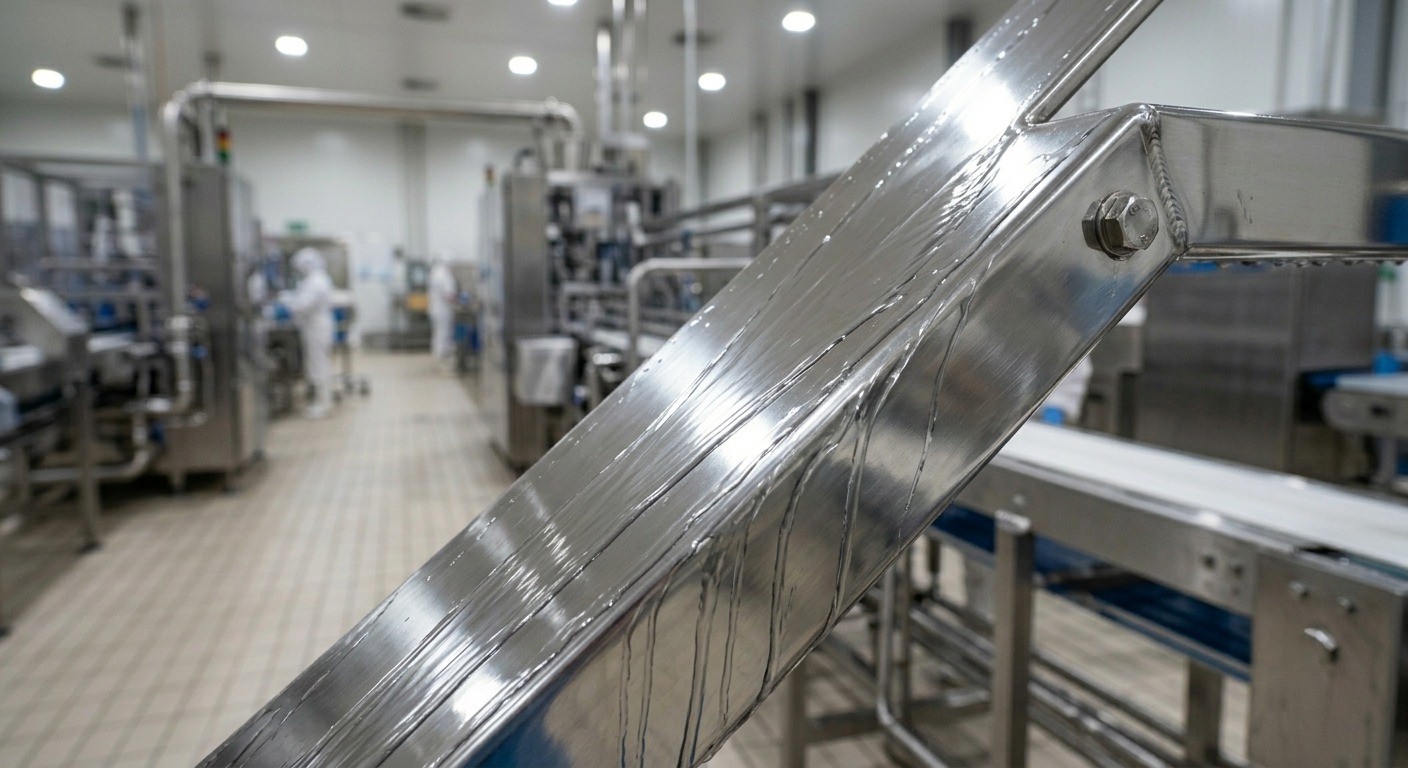
3. Seamless Line Integration: The Operational Benefits of Automated Checkweighing
A Dynamic Checkweigher does more than just weigh products; it serves as the traffic controller and data hub of your automated packaging line. Integrating a high-speed stainless steel checkweigher directly into your production flow bridges the gap between raw throughput and quality control.
Streamlining Underweight and Overweight Detection
On an automated production line, consistency is everything. A dynamic checkweigher acts as a 100% inspection barrier, processing every single package moving across the conveyor at speeds upwards of hundreds of units per minute without stopping the line.
● Underweight Protection: If a package falls short of the labeled net weight, the system instantly flags it. This prevents non-compliant products from reaching retail shelves, shielding your brand from severe regulatory fines and costly consumer recalls.
● Overweight Control (Minimizing Giveaway): Filling machines naturally drift over time, often over-dispensing product to ensure compliance. If a machine overfills a package by just 1 gram, a line running 100,000 packs a day wastes 100 kilograms of raw product daily. The checkweigher catches these overfilled items immediately, preserving your profit margins.
Automated Upstream Feedback and Intelligent Rejection
Modern line integration goes far beyond merely identifying a bad package; it involves intelligent, automated correction.
Through advanced industrial communication protocols (such as Modbus, Profinet, or Ethernet/IP), the checkweigher sends real-time trend data back to the upstream filling or portioning machine. If the checkweigher notices a consecutive drift toward the upper weight limit, it automatically signals the filler to adjust its dosing valves down. This creates a self-correcting, closed-loop system that minimizes human error and optimizes raw material usage.
Furthermore, when a non-compliant package is detected, the integrated rejection system swings into action. Depending on your packaging type—whether it is a flexible pouch, a rigid tray, or a heavy carton—customized rejectors like high-speed pneumatic pushers, air jets, or flipper arms seamlessly divert the defective item into a locked, secure reject bin without disrupting the continuous flow of conforming products.
4. Compliance and Accuracy: Navigating the OIML R51:2006 Standard
In international food trade and domestic commerce, weight accuracy is governed by strict legal metrology frameworks. The most universally recognized benchmark for automated weighing systems is the OIML R51:2006 international recommendation for Automatic Catchweighing Instruments.
Deciphering Accuracy Classes and Verification Standards
For a factory engineer, understanding OIML R51 is critical when validating quality control systems during external audits. The standard divides instruments into categories based on their usage:
1. Category X (Trade Verification): Applies to automatic checkweighers used to verify prepackaged goods for legal sale. It defines strict limits on maximum permissible errors (MPE) based on package weight and line speeds.
2. Accuracy Classes (e.g., XI, XII, XIII, XIV): These designations dictate the level of scale discrimination and precision. Food processing lines requiring high-speed accuracy typically utilize Class XI or XII systems to maintain tight control limits under dynamic, high-vibration factory conditions.
Operating an inspection system that aligns with OIML R51 ensures that your weight logs, data collections, and automated batch reports are legally defensible during rigorous food safety audits, such as HACCP, BRC, or FDA inspections.
5. SameGram: Engineered for High-Performance Industrial Inspection
When it comes to executing a reliable, food-safe packaging strategy, your choice of machinery partner matters. SameGram specializes in designing and manufacturing rugged, high-precision industrial automation solutions tailored exactly to the needs of modern food producers.
Inside Our Manufacturing Philosophy
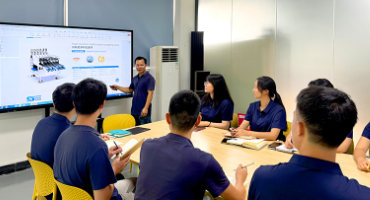
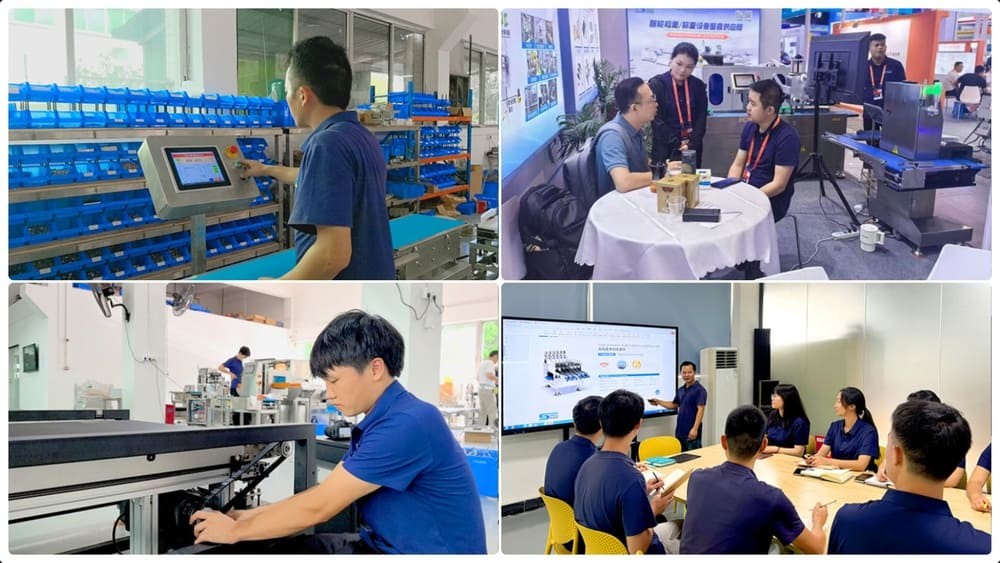
At the core of every solution we deliver is an unyielding commitment to premium craftsmanship and technical expertise. We invite you to explore SameGram Profile to understand how we have built a reputation for engineering excellence. From raw material sourcing to final quality control, our processes are optimized to deliver reliable field performance.
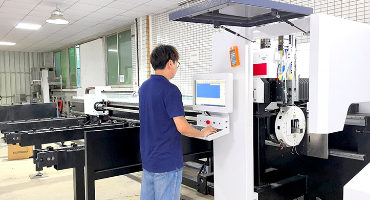
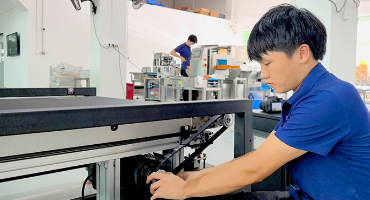
Every system is constructed inside our advanced production facilities. You can take a closer look at our specialized production floors, CNC machining centers, and precision calibration setups by visiting Our Factory Overview. This infrastructure allows us to build machines capable of delivering rapid, highly repeatable weight measurements even in environments with heavy ambient floor vibrations.
The SameGram Checkweigher Lineup
Our dedicated engineering teams have developed specialized product architectures to solve the unique challenges of the food processing industry. Whether you are dealing with lightweight, high-speed snack packaging or heavy, bulk meat cartons, our equipment delivers precise control.
To review our complete industrial catalog, you can browse our comprehensive Product Line. For a direct, technical breakdown of our weighing solutions, including detailed dimensional schematics, belt speeds, and load cell options, visit our dedicated Checkweigher Technical Specifications Page.
Our checkweighers are built from the ground up around a comprehensive SUS316 weighing system, featuring:
● IP69K Waterproof Enclosures: Fully sealed control cabinets and load cell pods capable of handling direct, high-temperature, high-pressure washdowns with aggressive chemical sanitizers.
● Toolless Belt Removal: Quick-release conveyor beds that allow line operators to remove the food-grade belts for sanitization in under 60 seconds without using a single tool, radically slashing downtime.
● Open-Frame Structural Architecture: Tube-style framing with sloped surfaces that prevent food debris accumulation and eliminate the blind spots where bacteria multiply.
● Advanced Data Export Integration: Built-in USB and Ethernet connectivity that automatically compiles batch weight statistics, histograms, and audit logs to ensure your facility remains permanently audit-ready.
6. Elevating Your Production Line with SameGram
Upgrading your food packaging operation requires a careful balance of material science, automation knowledge, and an understanding of international legal standards. By addressing food inspection equipment corrosion at its root with premium materials, and maximizing efficiency through smart, closed-loop line integration, you protect both your profitability and your brand reputation.
At SameGram, we do not believe in one-size-fits-all machinery. We know that a seafood packaging line in a humid environment requires a fundamentally different engineering approach than a dry bakery line. Our engineering team is ready to analyze your specific line layout, throughput requirements, and sanitation protocols to design a custom-configured solution.
Ready to eliminate product giveaway, guarantee compliance, and deploy a system built to survive the harshest washdown environments? Visit SameGram and Contact Us to connect with an application engineer today, request a detailed custom quotation, or Explore Our Cross-Industry Automation Solutions. Let us help you turn your quality inspection zone into a center for operational efficiency.
Hot-Sale Dynamic Checkweigher
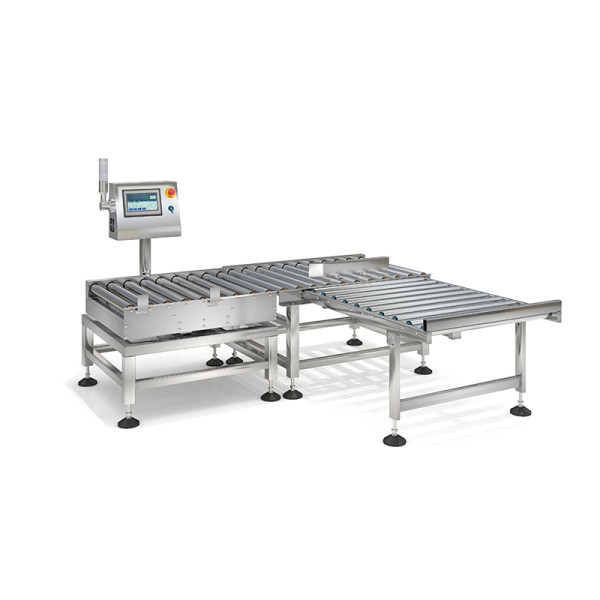
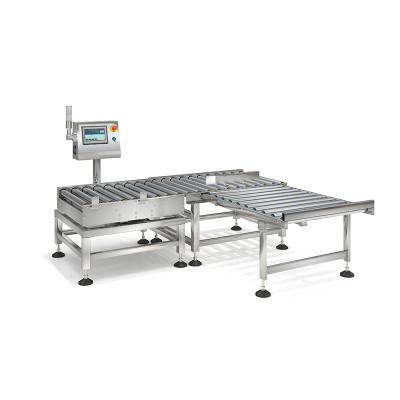
SC3-10060L30 is an Dynamic Roller Checkweigher for large packages, economical and widely used in various outer box products
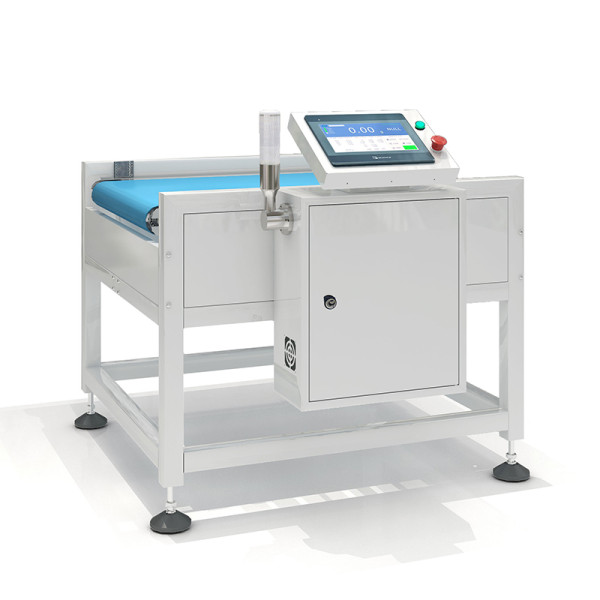
The SC3-10060L50 is an dynamic end of line checkweigher machine with built-in rejector, especially designed for large items.
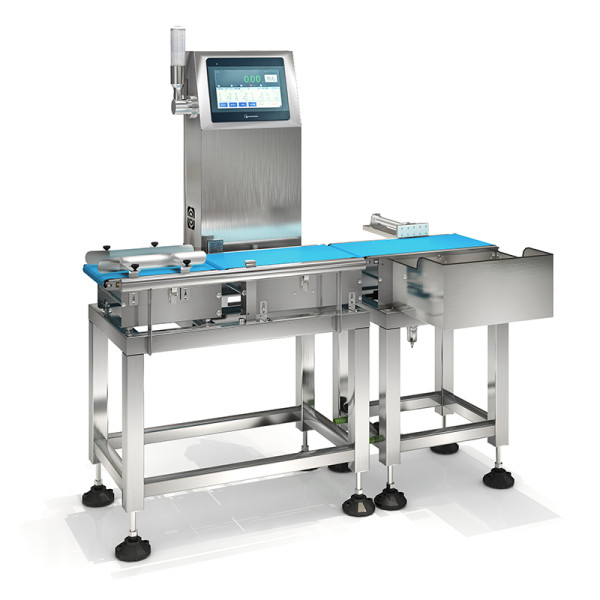
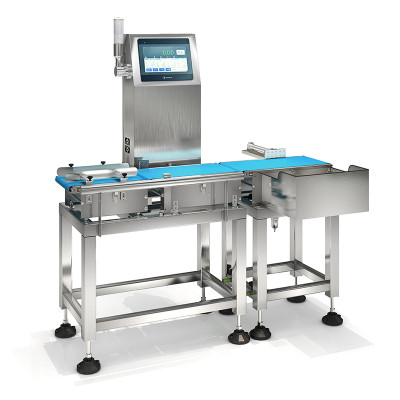
SCF-4523L3 is a hygienic food checkweigher with high precision and hi speed checkweighing for food industry,easy to integrate
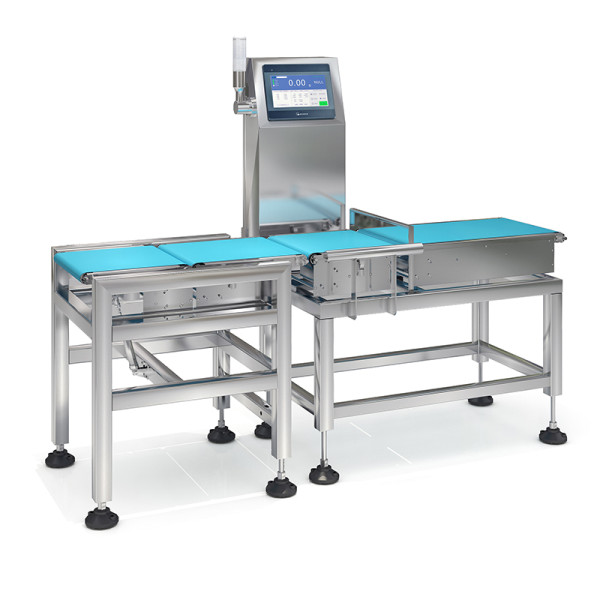
SC1-5040L5 is an economy and dynamic hi speed checkweigher ideal for in line weight checking with precision and reliability.
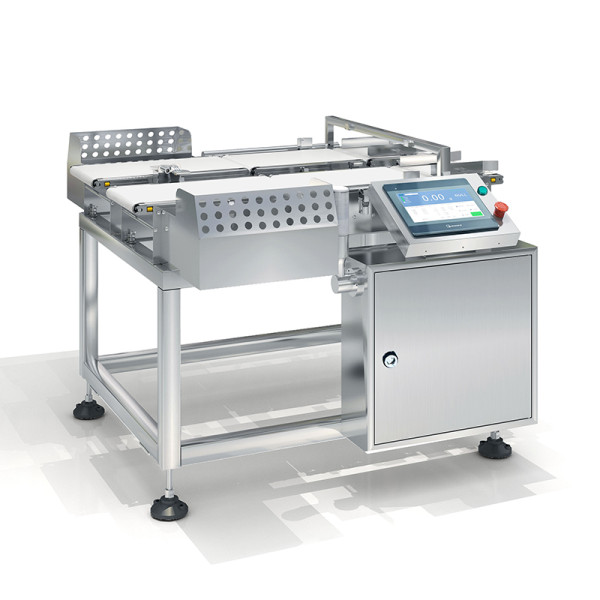
SCP2 is a dual lane checkweigher with double belt conveyer, Very suitable for fast production lines such as food and medicine