



Bakery Metal Detector Sensitivity: How to Overcome Flour Dust Issues
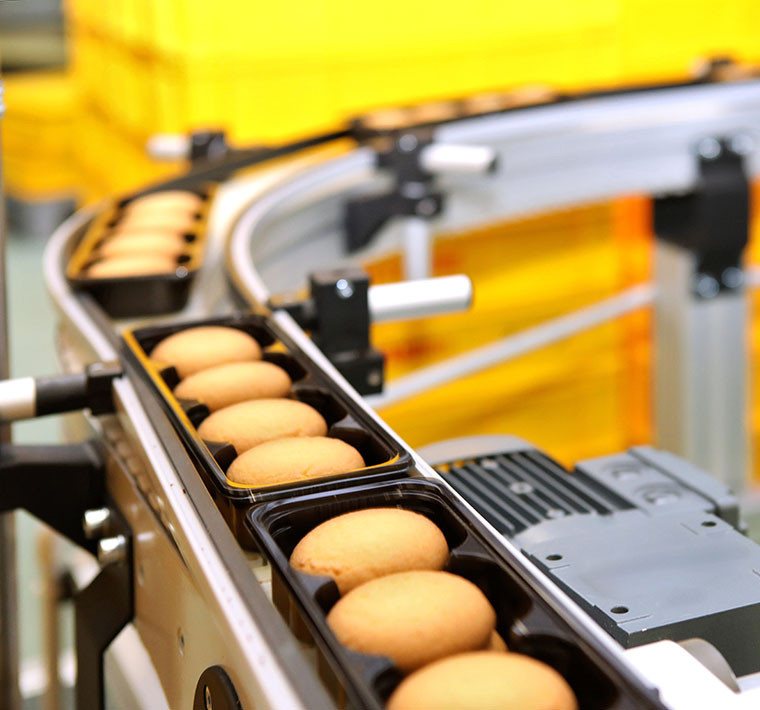
In the modern industrial bakery, "precision" is the word that defines success. From the perfect rise of a sourdough loaf to the consistent texture of a biscuit, every variable is managed with scientific accuracy. However, there is one variable that remains a persistent thorn in the side of quality control managers: Flour Dust.
In this comprehensive guide, we will analyze why flour dust interferes with metal detection and how SameGram’s advanced automated solutions can help your bakery achieve unfailing accuracy.
To solve the problem, we must first understand the physics. A Metal Detector works by creating an electromagnetic field. When a metal contaminant passes through this field, it creates a disturbance that the system recognizes as a "hit."
However, the bakery environment is unique. Flour, sugar, and cocoa powder are not just "dry ingredients"—they are active participants in the detection environment.
The Problem of Physical Accumulation
As highlighted in industry technical documents, fine particles like flour gradually accumulate on the detection coils, probes, and conveyor surfaces. This buildup can physically "mask" the signal. When dust layers become thick enough, they can decrease the effective detection range of the coils, leading to a noticeable drop in sensitivity. Furthermore, these fine particles can migrate into the internal components of the equipment, causing mechanical wear that leads to either "false rejects" or, worse, "missed detections".
The Static Electricity Factor
Bakery ingredients are prone to generating static electricity during transport and processing. According to professional technical data, static buildup in a dusty environment can fluctuate the electromagnetic balance of the metal detector. This often results in "false alarms," which halt production and waste perfectly good products.
The "Product Effect" Paradox
Even though flour is considered a "dry product," its suspended state in the air and its interaction with moisture or salt in the dough can enhance the "Product Effect". This creates a background "noise" that the metal detector must filter out. If the machine isn't sophisticated enough, it won't be able to distinguish between a harmless clump of salty dust and a tiny stainless steel fragment.
2. SameGram’s Engineering Response: Maximizing Sensitivity in Dusty Zones
At SameGram, we have dedicated years of R&D to specifically counter the environmental hazards of the food industry. We don't just build machines; we build shields for your brand.
Advanced Multi-Frequency Technology
Our industrial metal detectors utilize cutting-edge Multi-Frequency and Multi-Spectrum technology. Unlike standard single-frequency machines that struggle with the "noise" of flour dust, SameGram systems scan across multiple frequencies simultaneously. This allows the system to "ignore" the signal generated by dust and product moisture while remaining hyper-sensitive to actual metal contaminants.
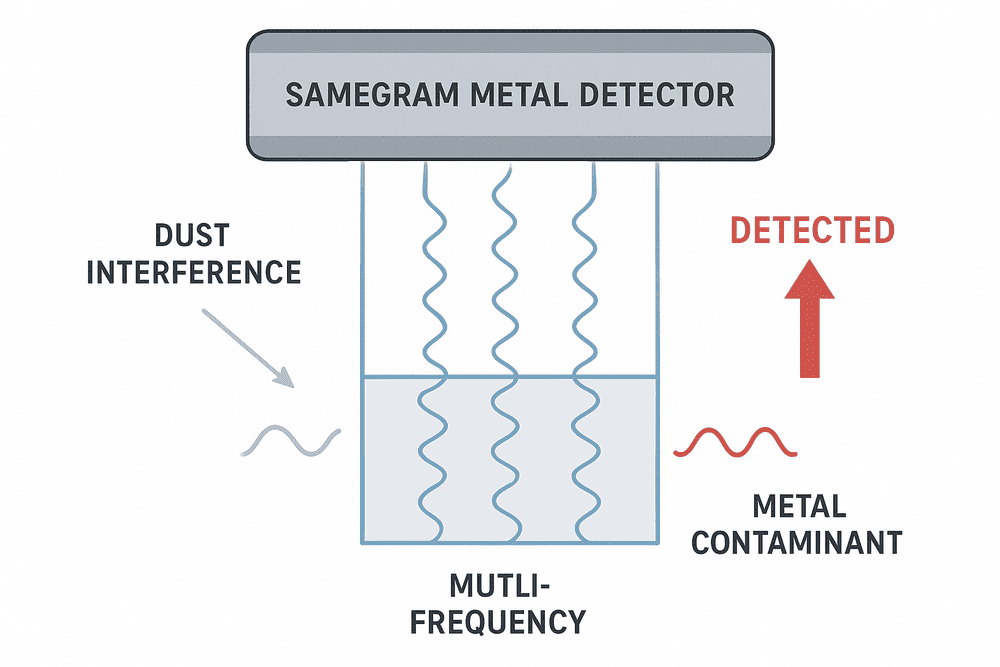
Intelligent Phase Tracking
Environmental conditions in a bakery change throughout the day. Humidity rises, and dust levels fluctuate. SameGram’s Automatic Phase Tracking technology intelligently adjusts the system in real-time to compensate for these environmental shifts. This ensures that the "Product Effect" of the flour never compromises the detection of ferrous or non-ferrous particle.
Robust IP Protection and Hygiene Design
In a bakery, cleaning is non-negotiable. However, the combination of flour dust and moisture creates a stubborn paste. SameGram equipment is designed with IP65/IP66 protection grades as standard, with options for IP69K. This means our machines are completely dust-tight and can withstand high-pressure, high-temperature washdowns.
3. The Power of Automation: Integrating Metal Detection into the Production Flow
The true value of a Metal Detector is realized when it becomes a seamless part of an automated production line. In a modern factory, manual inspection is a relic of the past. SameGram specializes in integrating inspection technology into the heart of your workflow.
The Standard Workflow
A SameGram-optimized production line follows a rigorous, fail-safe flow:
1. Product Transport: The conveyor moves the baked goods (or raw ingredients) at a consistent speed.
2. Metal Detection: The product passes through the high-sensitivity aperture.
3. Data Processing: SameGram’s high-speed processors analyze the signal in milliseconds.
4. Rejection: If a contaminant is found, an automatic rejection system (air blast, pusher, or diverter) removes the item without stopping the line.
5. Output: Compliant products move safely to the next stage, such as packaging.
The "Combo" Advantage: Metal Detector + Checkweigher
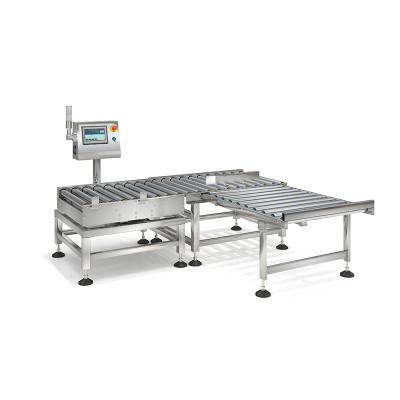
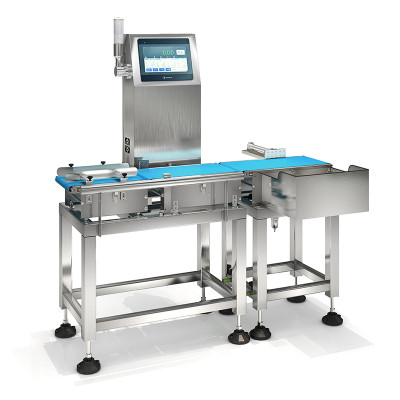
Space is premium in any factory. This is why our Checkweigher & Metal Detector Combination System SCM-4530L2 is a bestseller in the bakery sector. By combining two critical quality control points into one footprint, we offer:
● Reduced Footprint: Save several meters of floor space.
● Centralized Data: Manage weight data and metal detection logs from a single interface.
● Enhanced Efficiency: One integrated system means fewer points of failure and easier maintenance.
4. Safety First: Addressing the Explosion Risk of Flour Dust
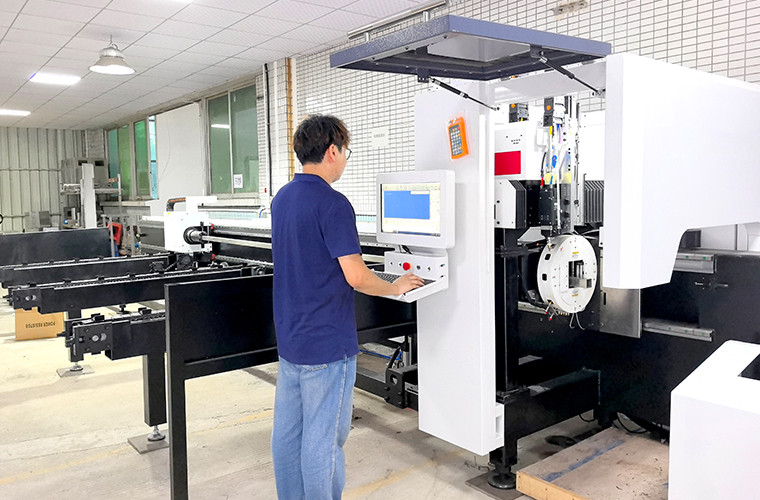
One aspect of the bakery industry that is often overlooked is the combustibility of flour dust. In high concentrations, flour dust is explosive.
At SameGram, we take this risk seriously. For facilities operating in high-dust environments, we provide specialized equipment that adheres to ATEX/HazLoc anti-explosion standards. Our Dust-Tight Designs ensure that no electrical sparks can interact with the airborne powder, protecting your staff and your facility from catastrophic events.
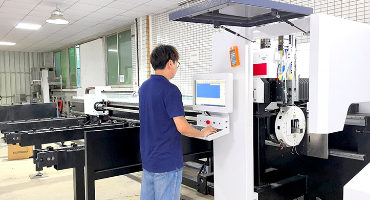
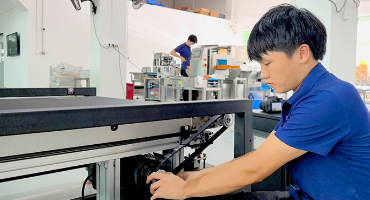
Safety is our priority. Learn more about our manufacturing standards at the SameGram Factory.
5. Maintenance Strategies for Peak Performance
A Metal Detector is a precision instrument, and like any instrument in a dusty environment, it requires a "hygiene rhythm." To maintain the highest sensitivity, we recommend the following professional protocol:
1. Routine Cleaning: Do not use compressed air to "blow away" dust, as this just spreads the particles into sensitive areas. Use industrial vacuums and damp cloths to remove accumulation from the conveyor and aperture.
2. Scheduled Calibration: We recommend testing the machine with standard metal test pieces every 2 hours. This ensures that even with dust accumulation, your sensitivity threshold remains within the required parameters.
3. Proper Grounding: Given the static risks mentioned earlier, ensuring the metal detector is correctly grounded is vital. SameGram’s installation team ensures that every unit is shielded against external electromagnetic interference.
6. Why Choose SameGram? Expertise You Can Trust
In the world of industrial inspection, experience is the currency that matters. SameGram has established itself as a global leader by focusing on the intersection of technology and practical application.
● Customized Solutions: Whether you need a Conveyor Metal Detector for finished cakes or a Gravity Fall system for bulk flour, we have the engineering capability to customize the aperture and rejection mechanism to your needs.
● Global Reach, Local Support: We understand that downtime costs money. Our systems are built for 24/7 operation with minimal maintenance.
● Compliance: Our engineering team consists of industry veterans who understand the nuances of food safety regulations like FDA, IFS, and BRC.
7. Conclusion: Flour Dust Doesn't Have to Be a Barrier
The challenges of the bakery industry are unique, but they are not insurmountable. While flour dust presents a physical and electrical hurdle for metal detection, the right technology makes all the difference. By choosing a SameGram Metal Detector, you are investing in a system that "sees through the dust" to ensure every loaf, bun, and pastry that leaves your facility is safe for consumption.
Don't let flour dust compromise your sensitivity. Upgrade your production line with the intelligence of SameGram automation.
Ready to secure your production line?
● Explore our Metal Detection Solutions.
● Consult our experts on integrating a Checkweigher Combo System.

Hot-Sale SameGram Metal Detector
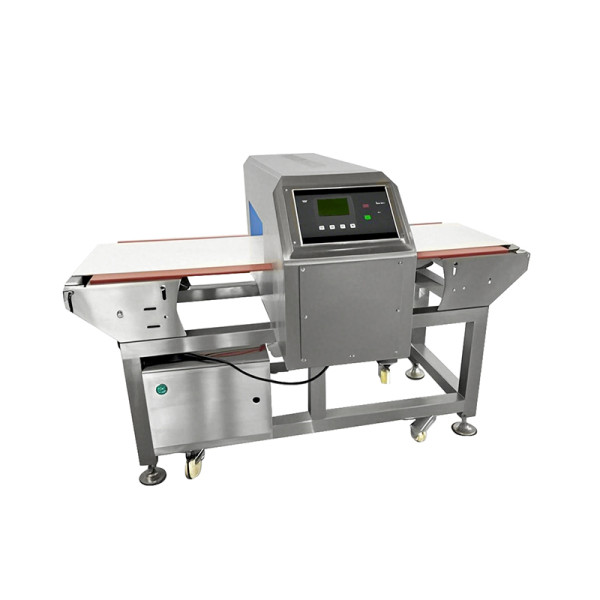
DD-720 is a belt conveyor metal detector with unmatched sensitivity, ideal for food and pharma.
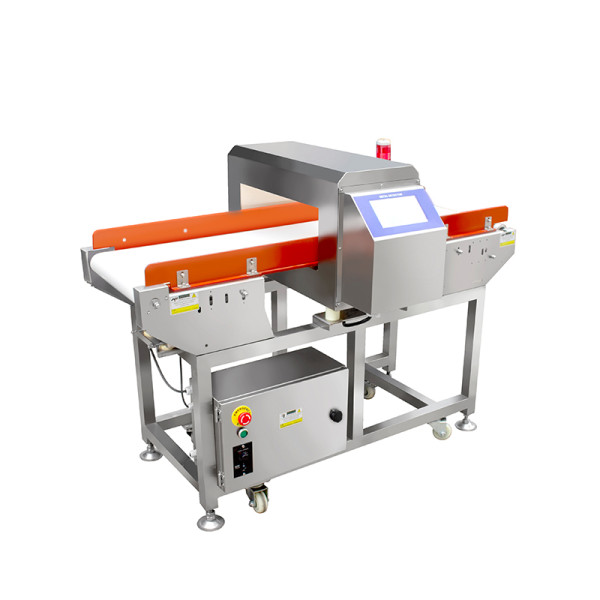
DD-500 Series is an advanced conveyor belt metal detector using smart touch-screen control. Ideal for food production and other
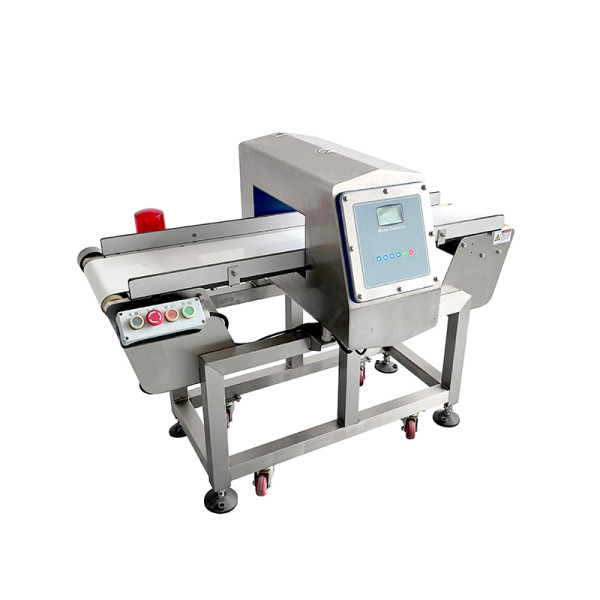
Customizable metal detector for conveyor belt with dual frequency, high sensitivity, and strong anti-interference.
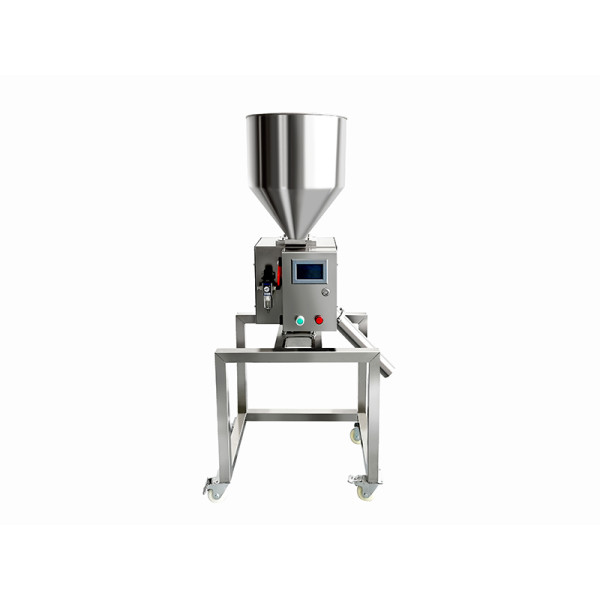
The HC-700 gravity metal separator can perform precise, hygienic, and sealed metal removal from bulk materials (grains etc.)
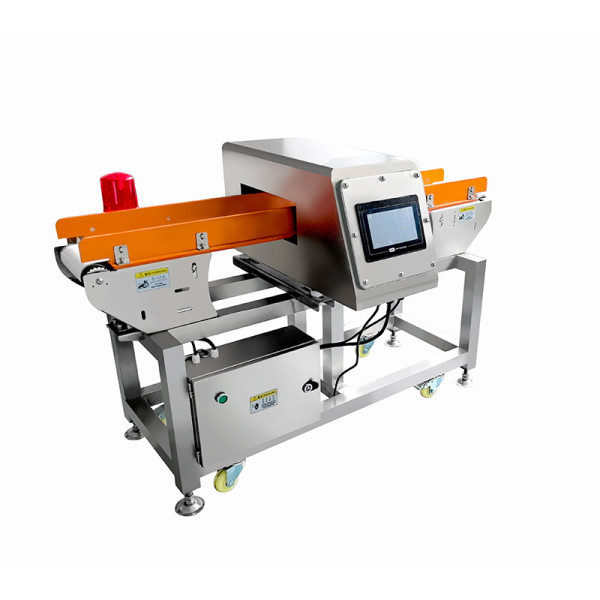
DD-220 is a food conveyor metal detector designed for aluminum foil packaging,with high sensitivity and easy integration.